News & Topics

2026.02.16

International Cooperative Human Resource Development Program for Realizing Sustainable Asian Fisheries and Marine Environment / AFIMA Leaders Program Student Achievement Presentation 2025
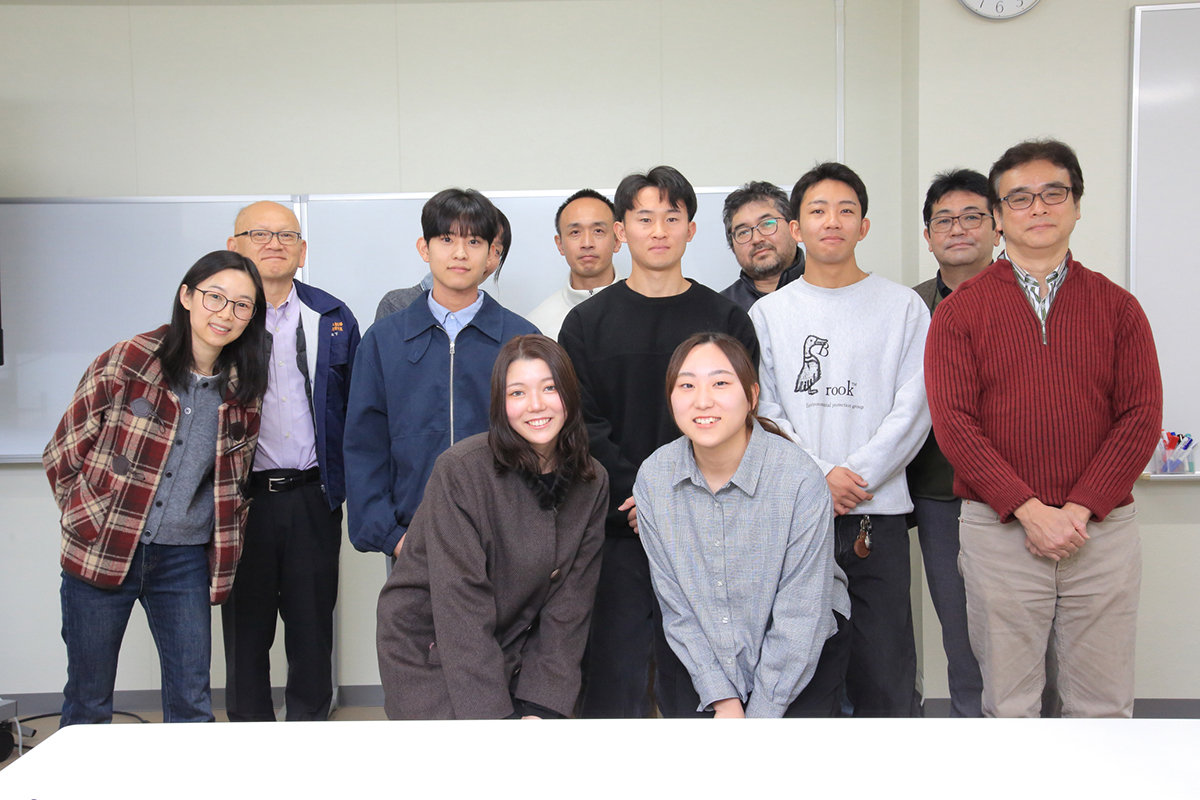
 

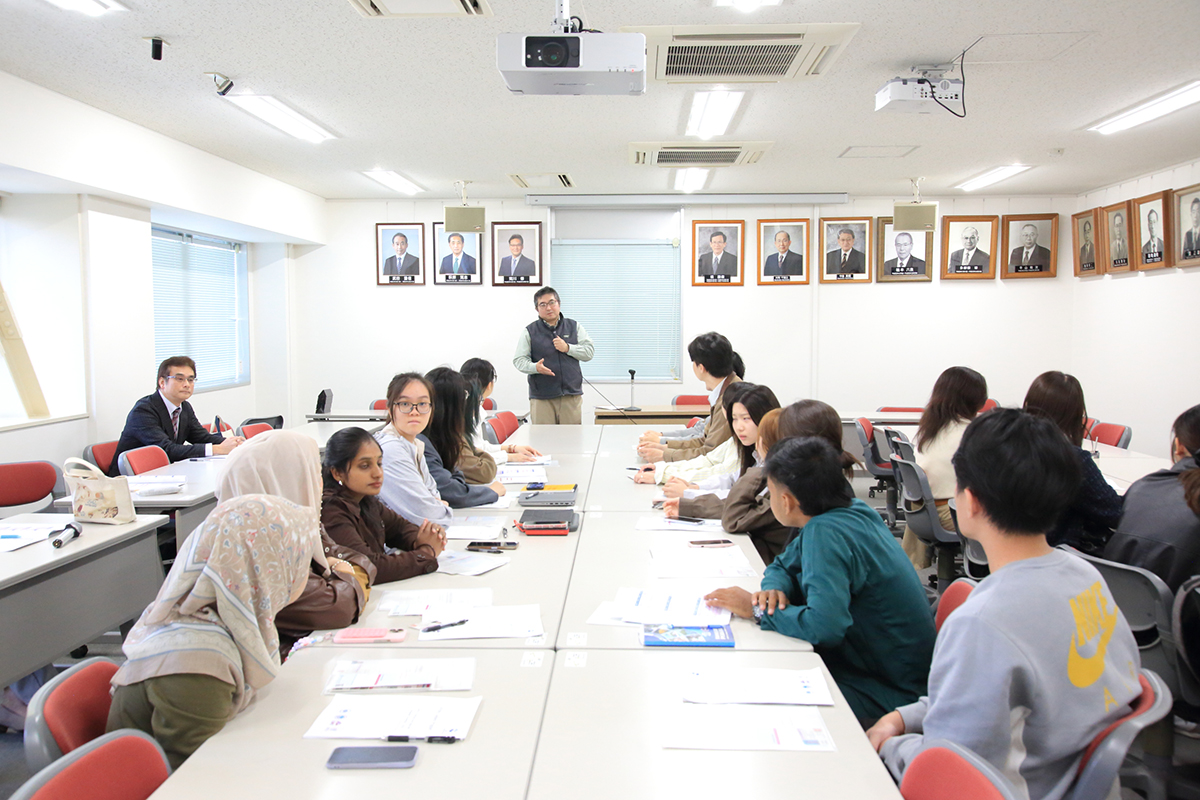
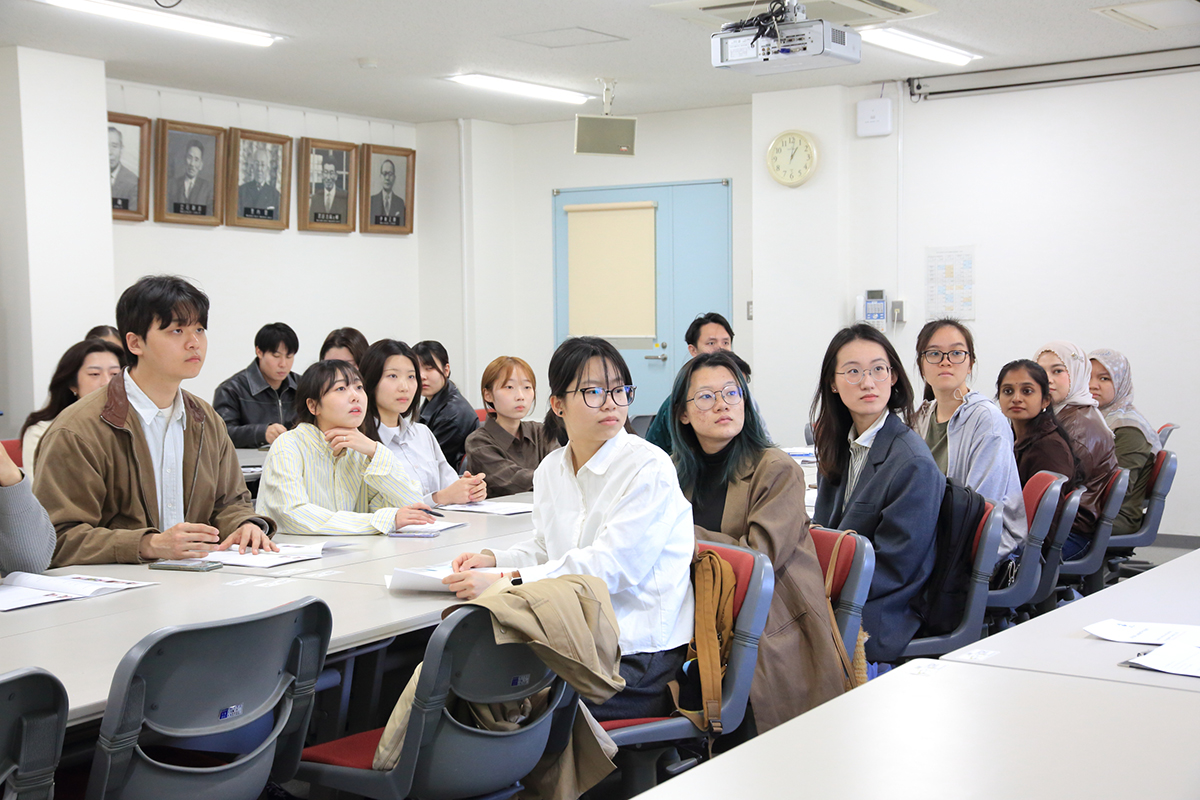
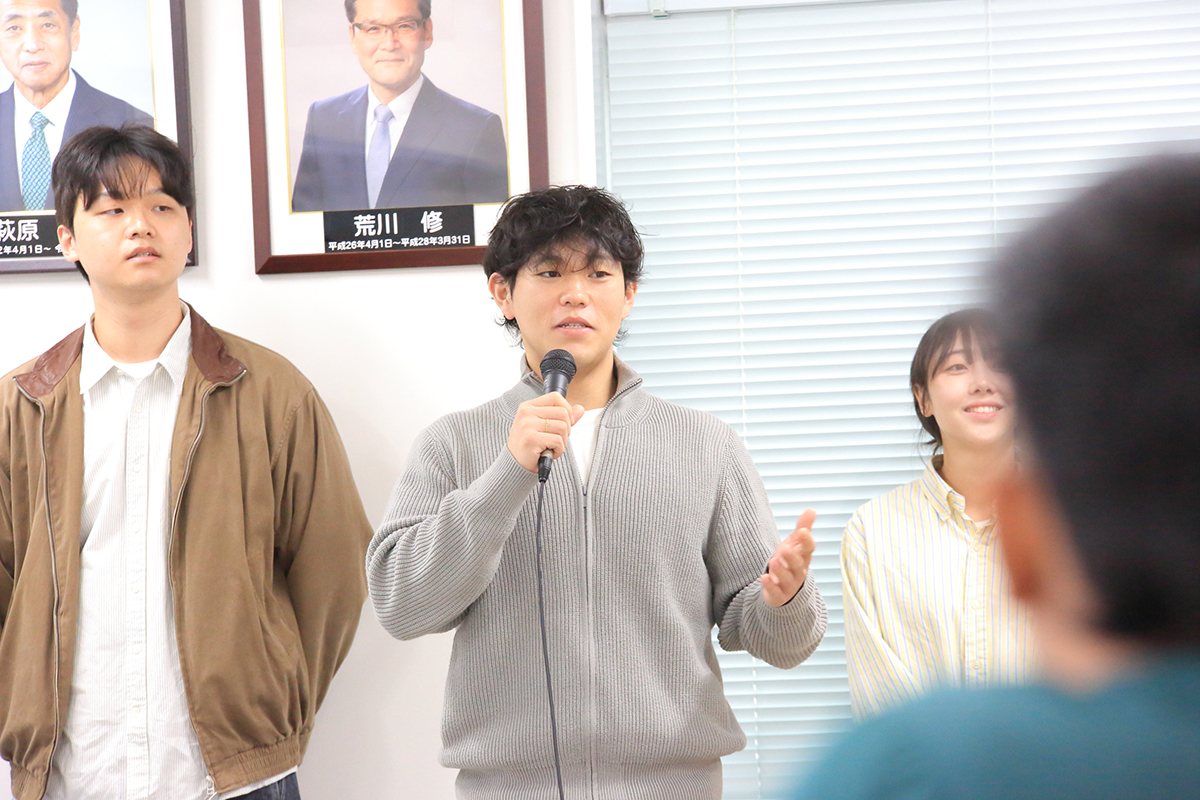
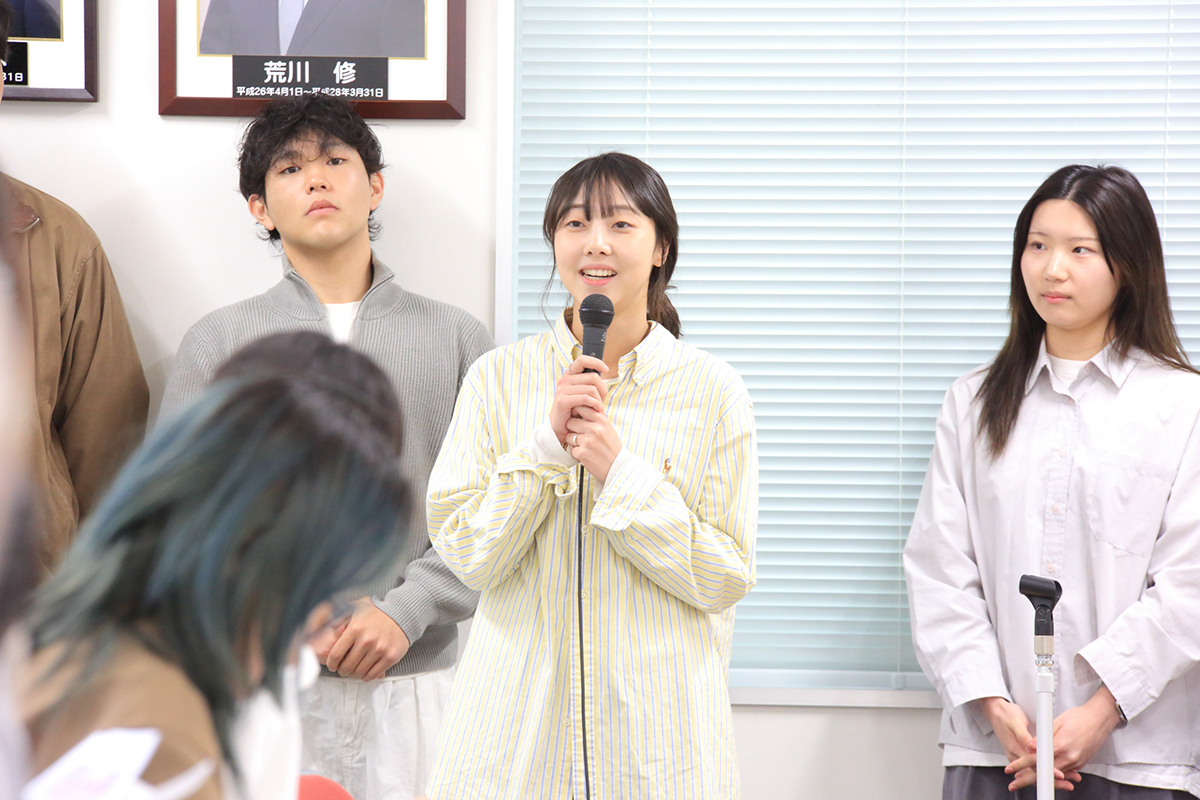
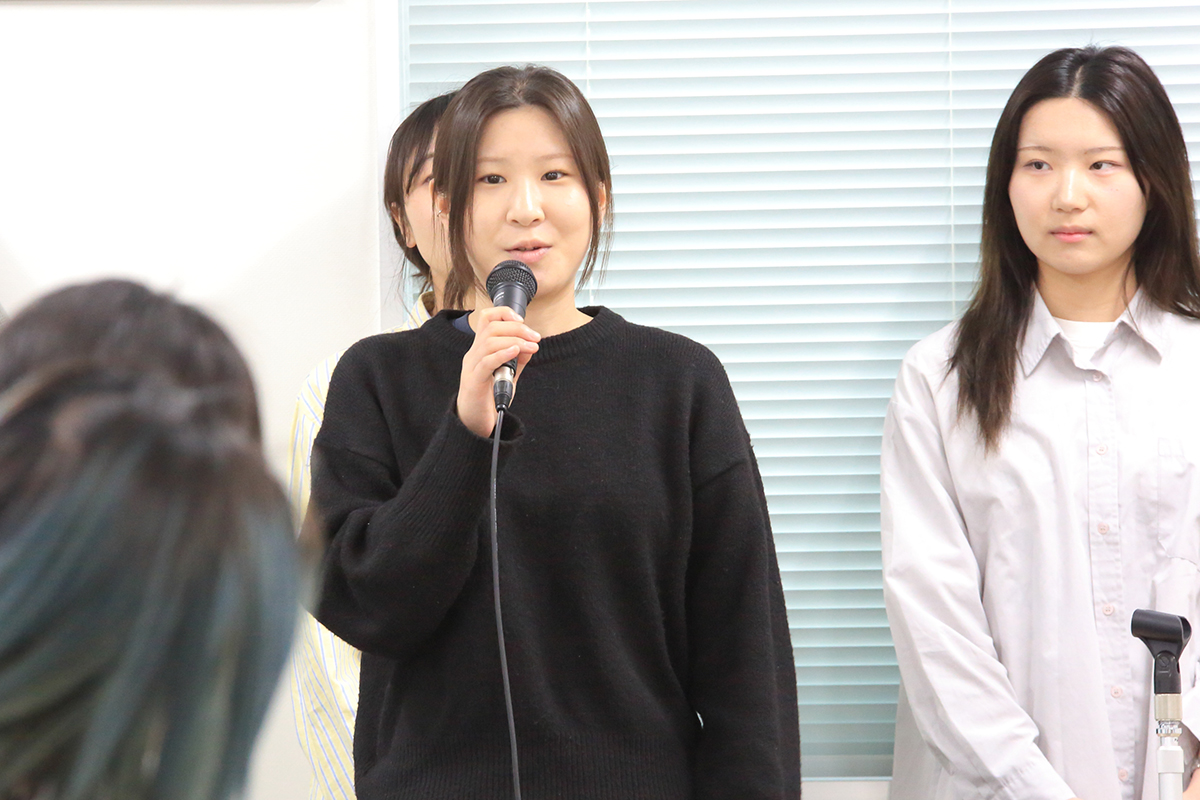
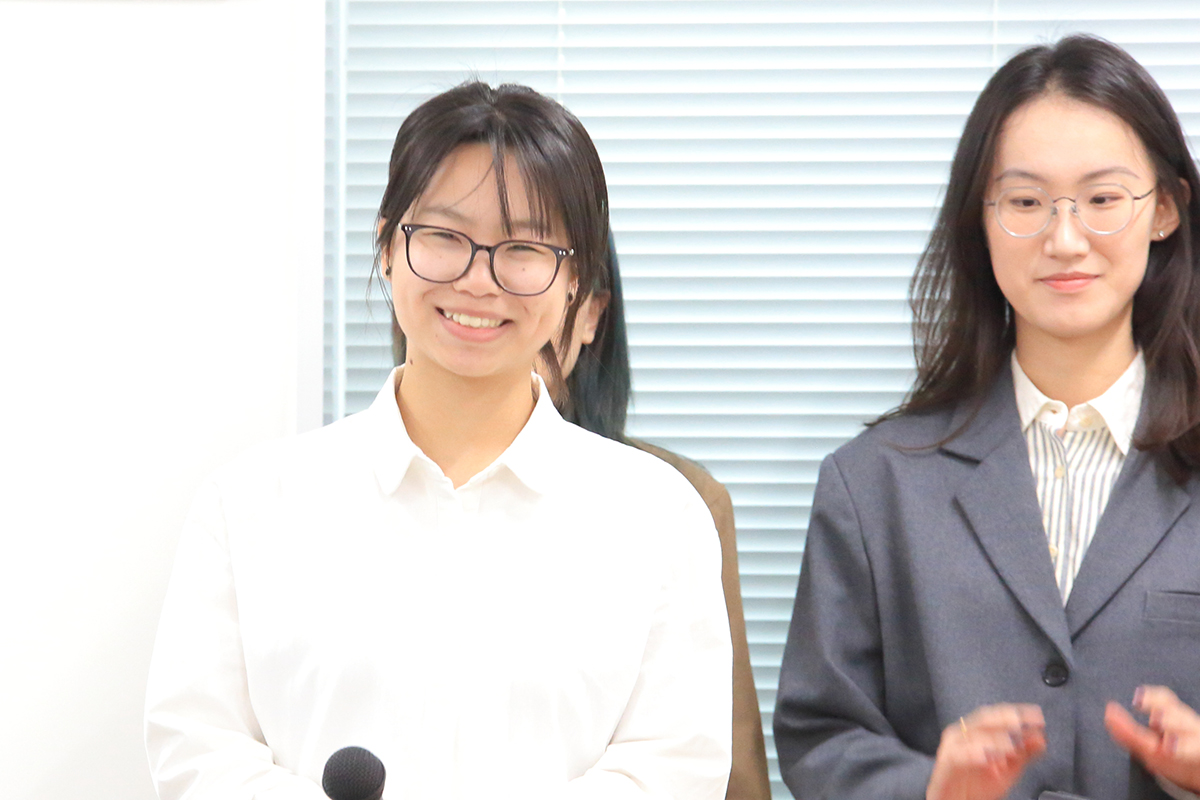
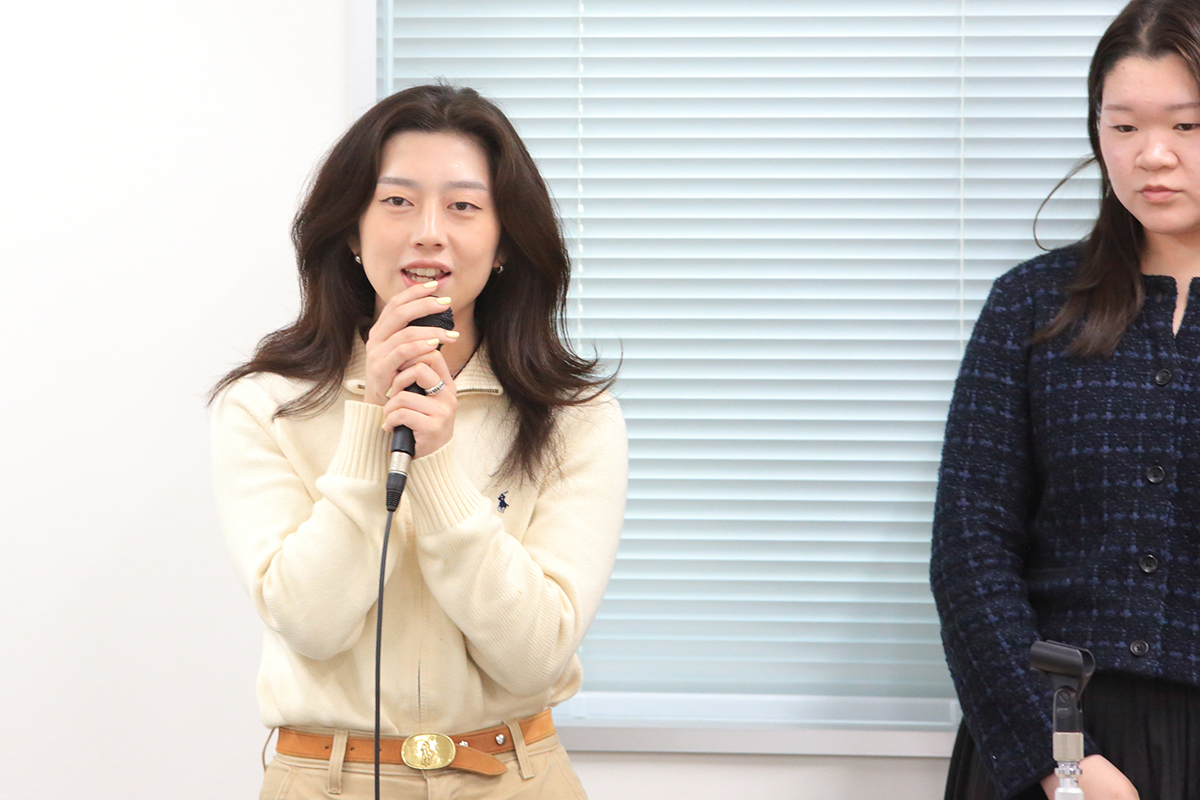
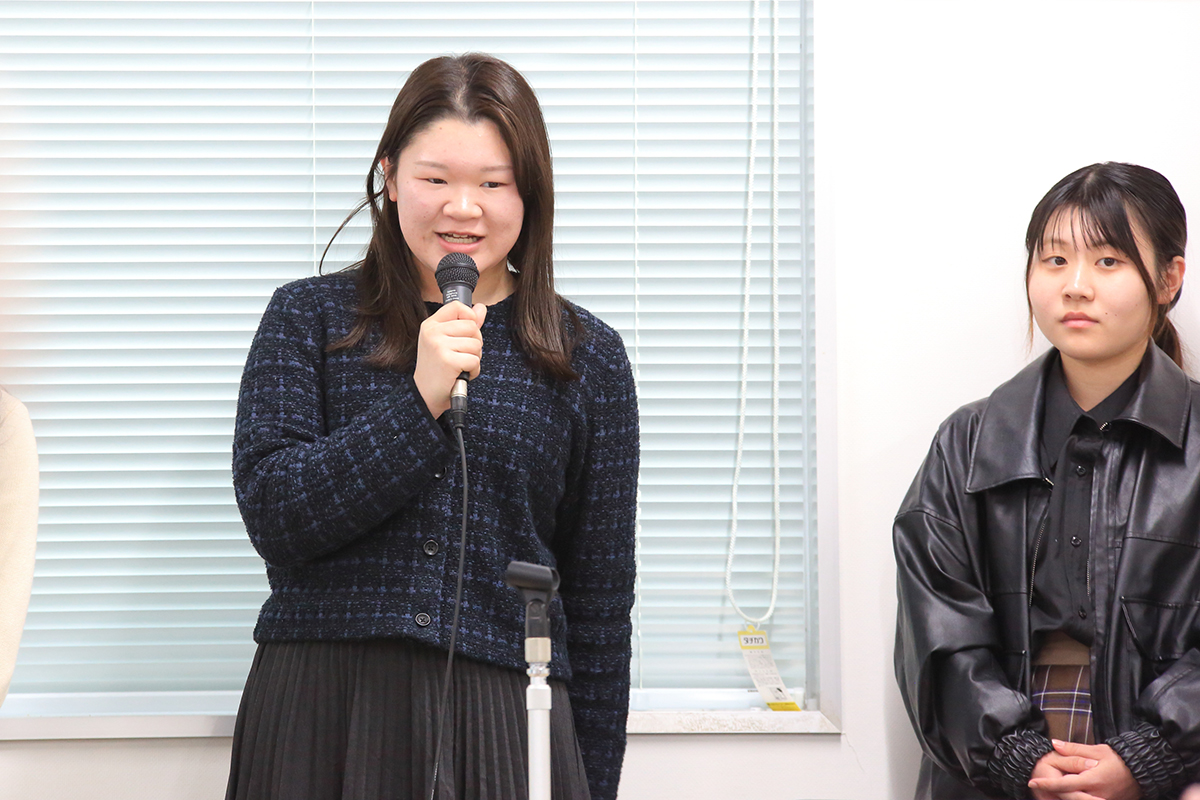
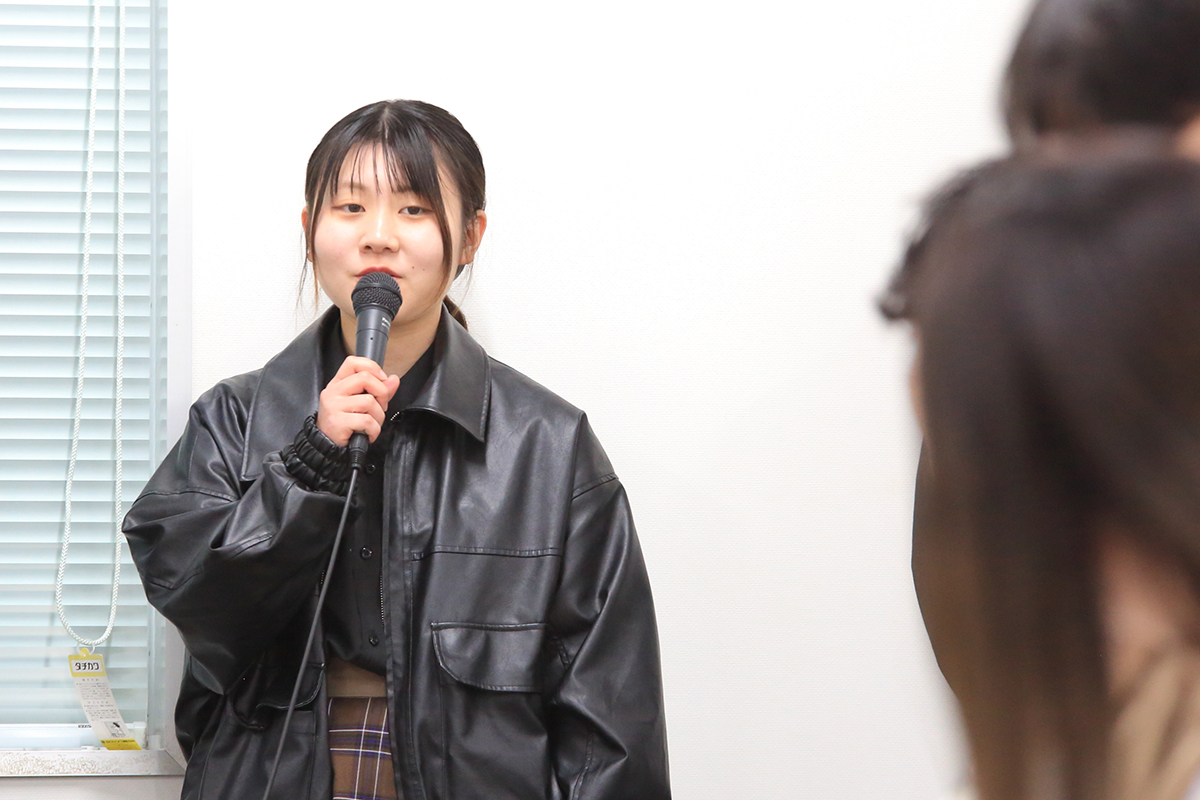
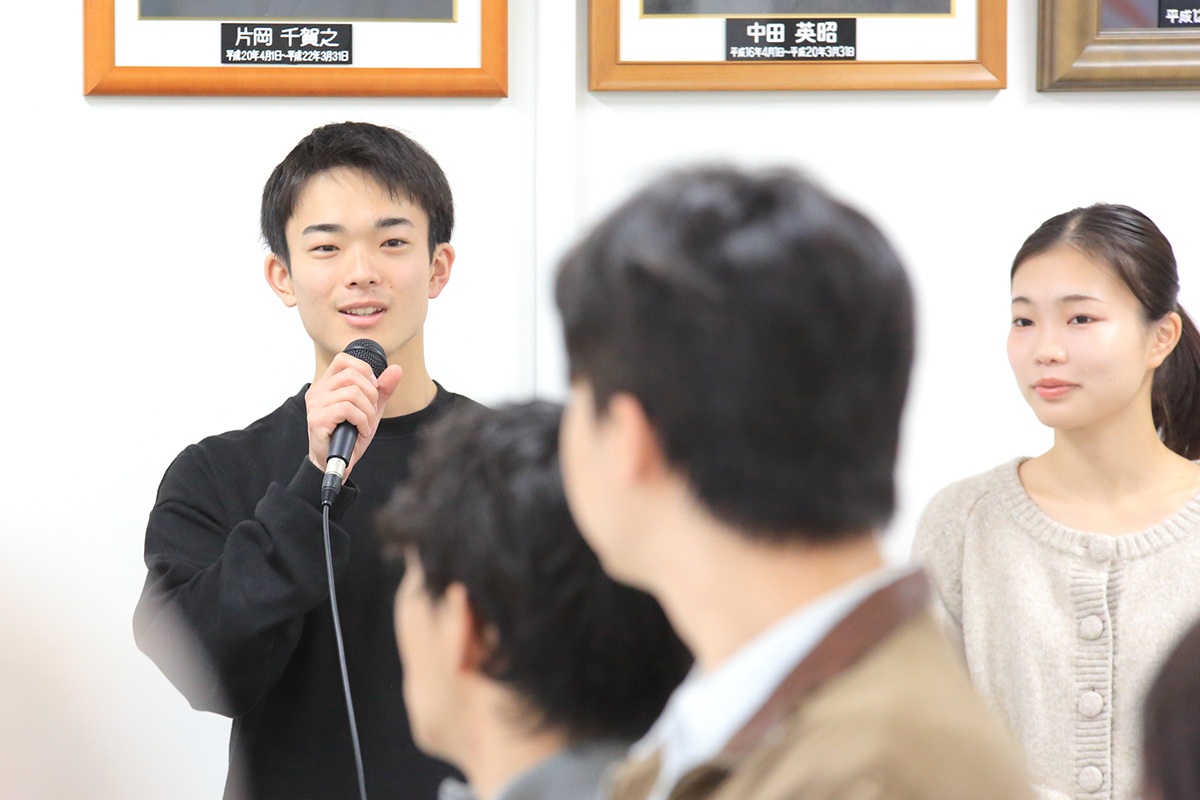
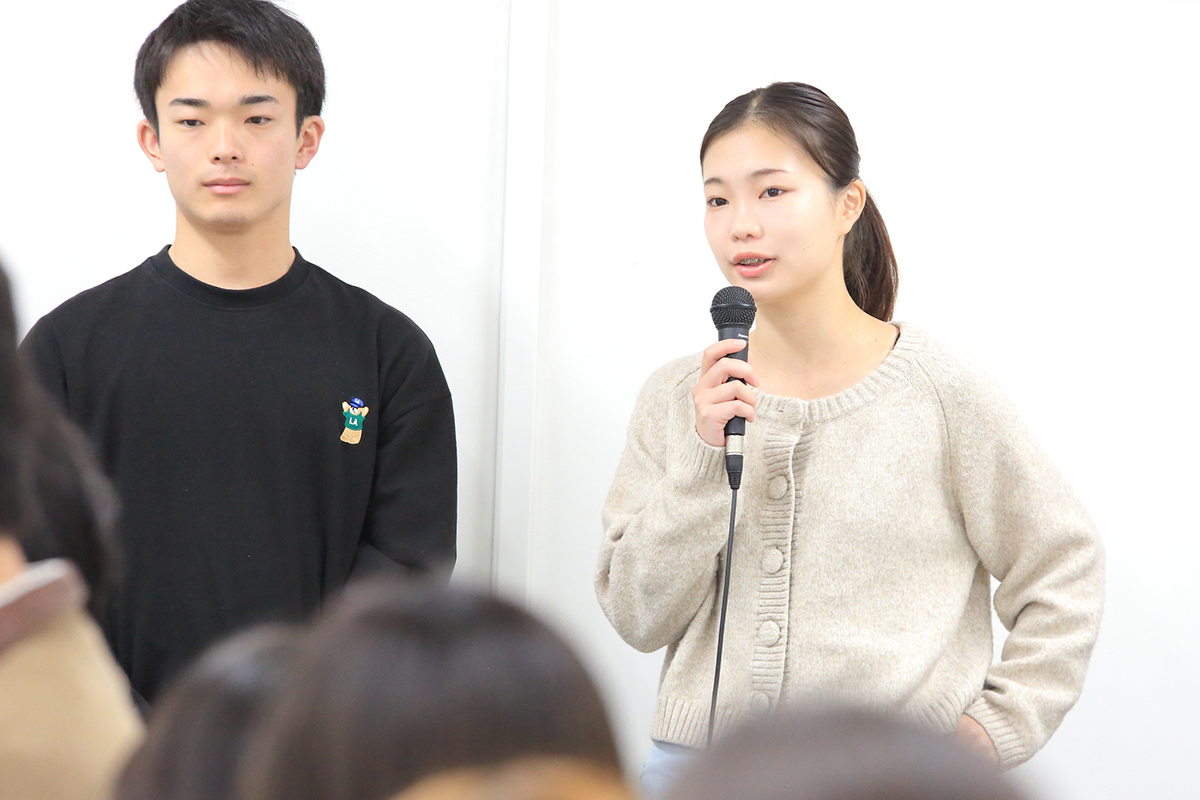
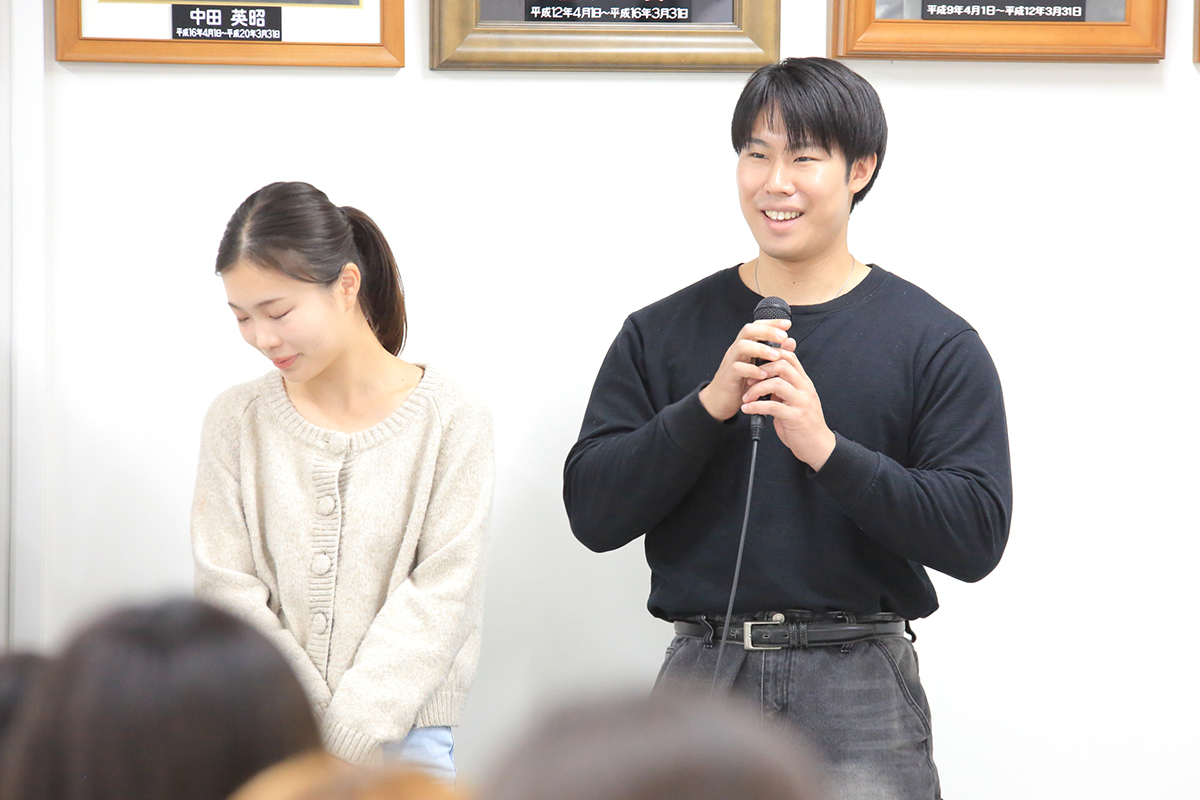
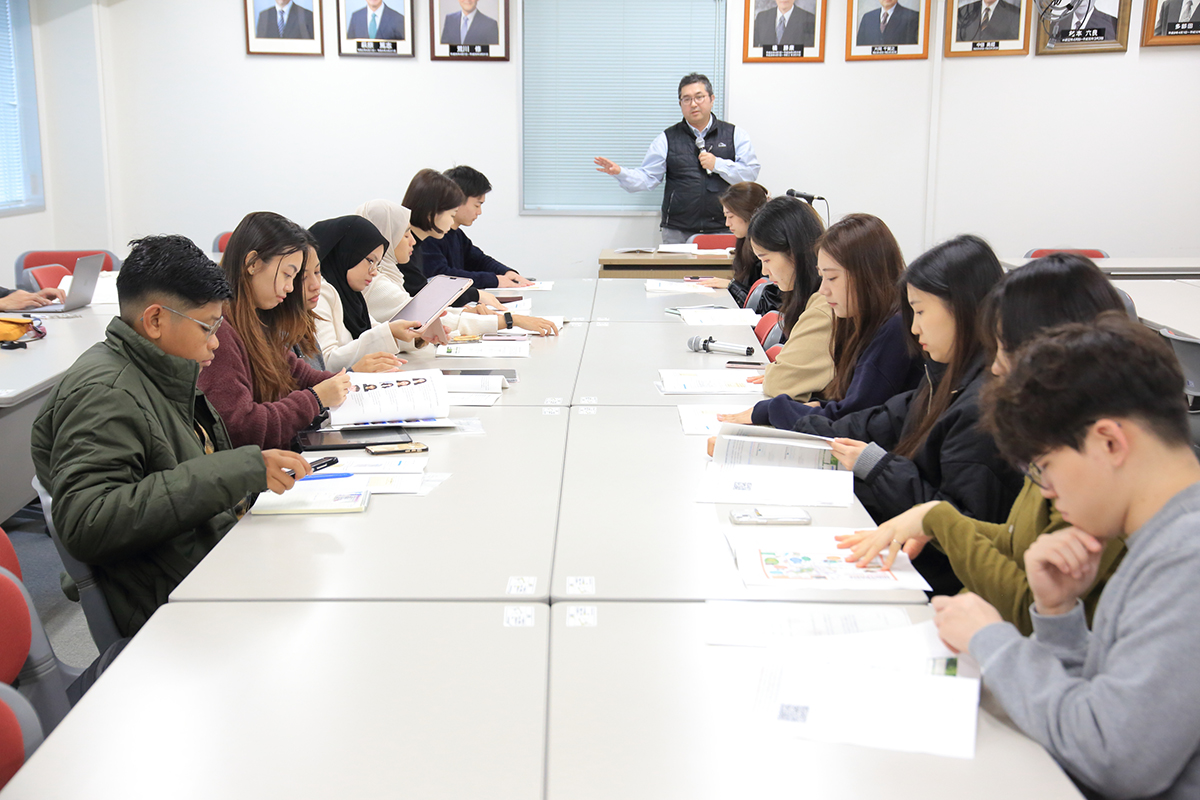
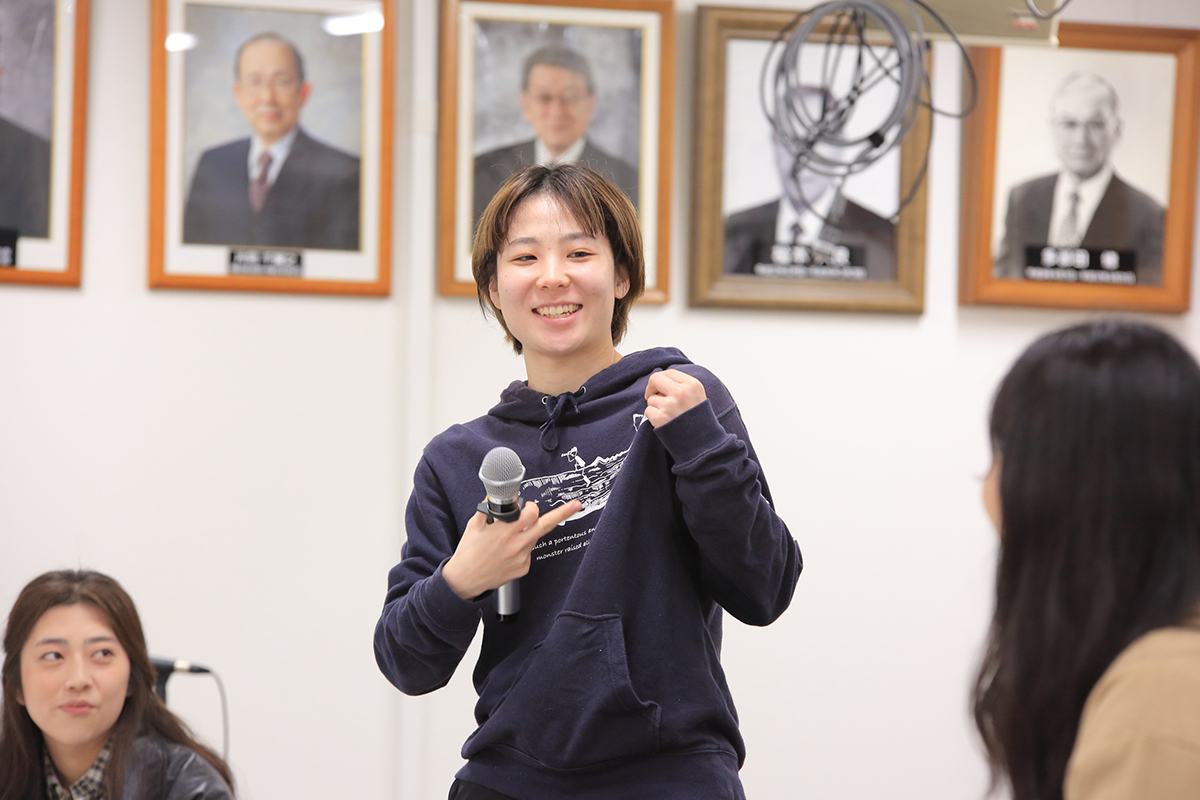
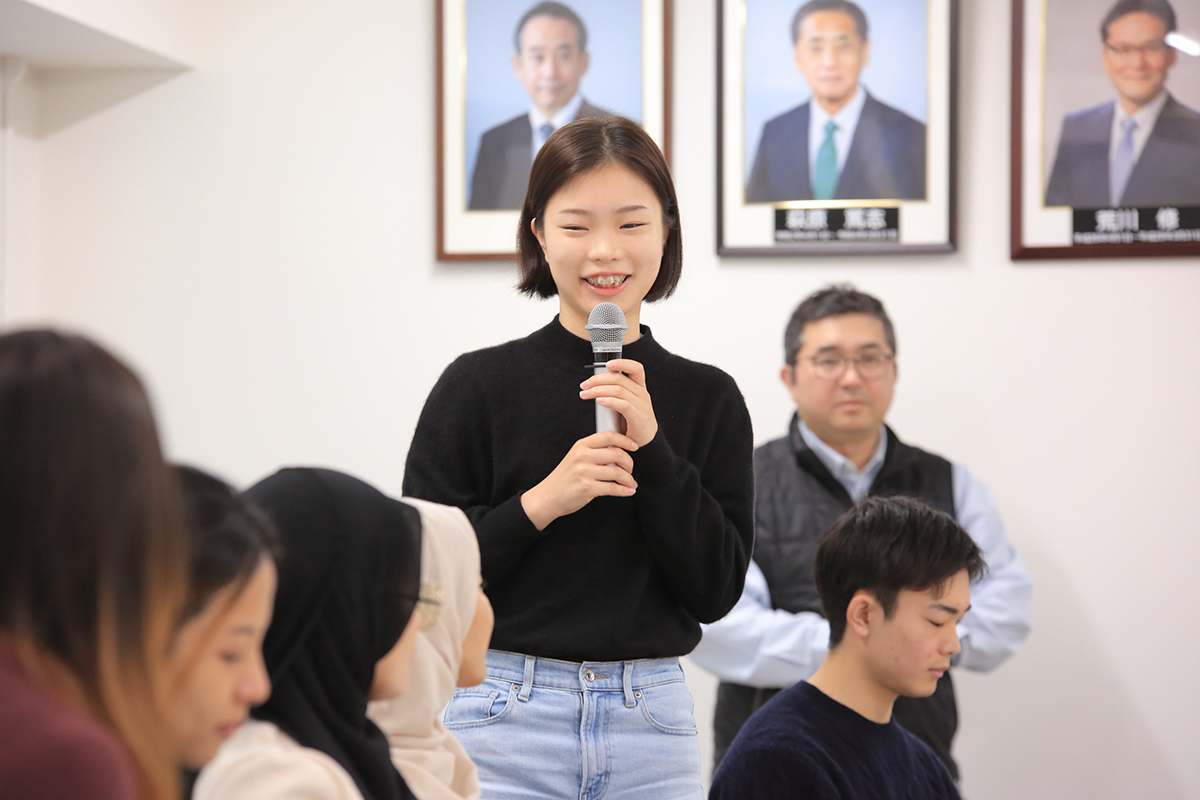
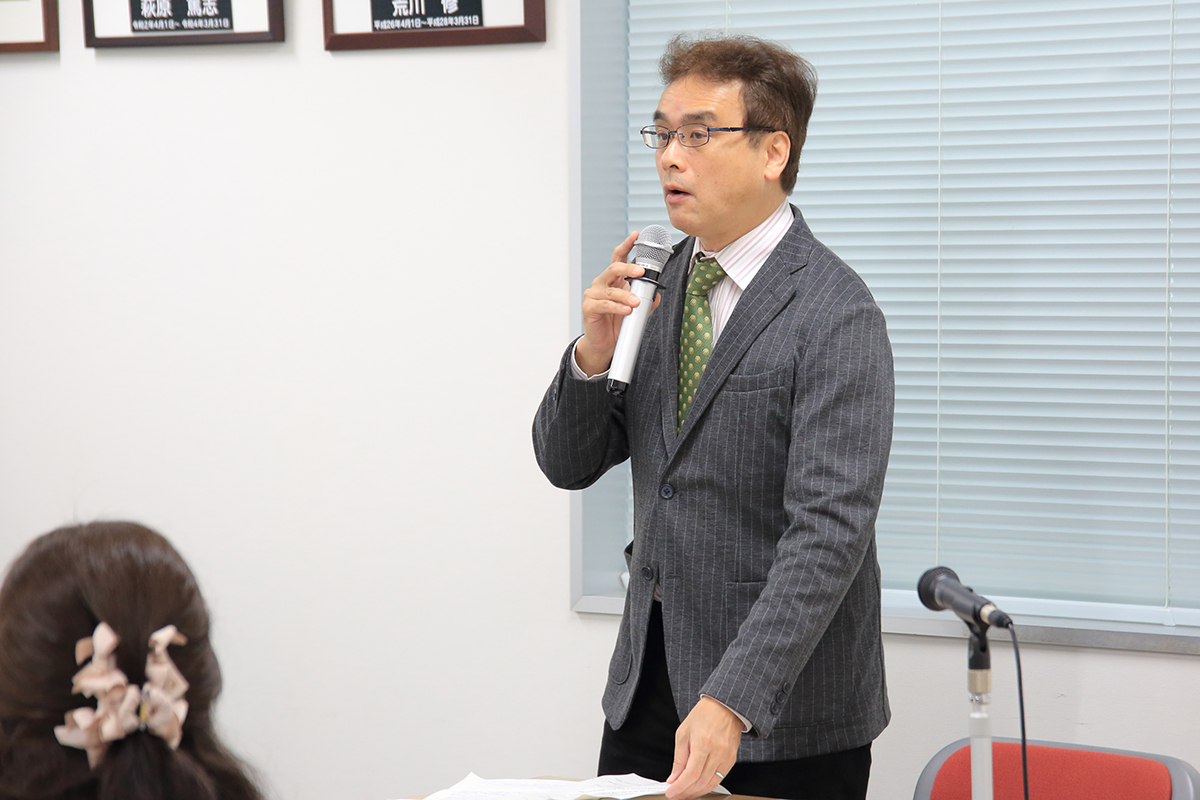
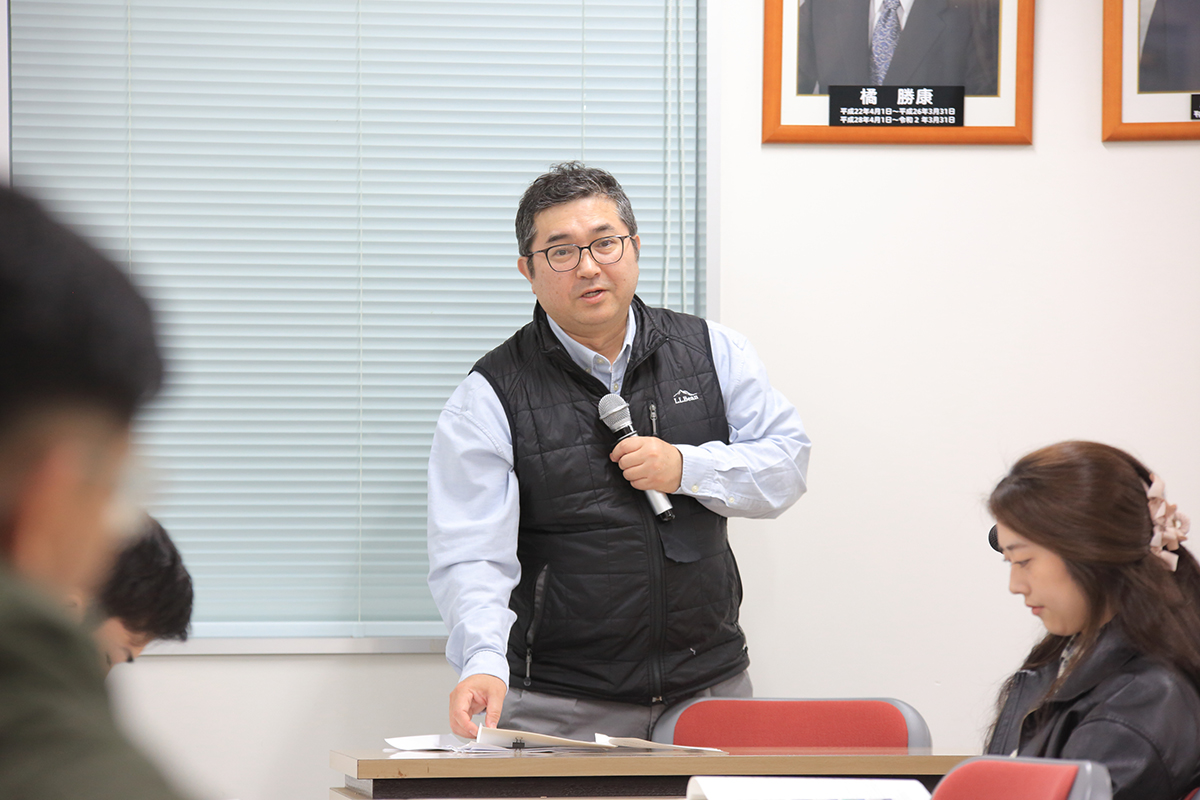
In the summer of 2025, 5 students from Nagasaki University studied abroad in the AFIMA Leaders Program for a short period of time.

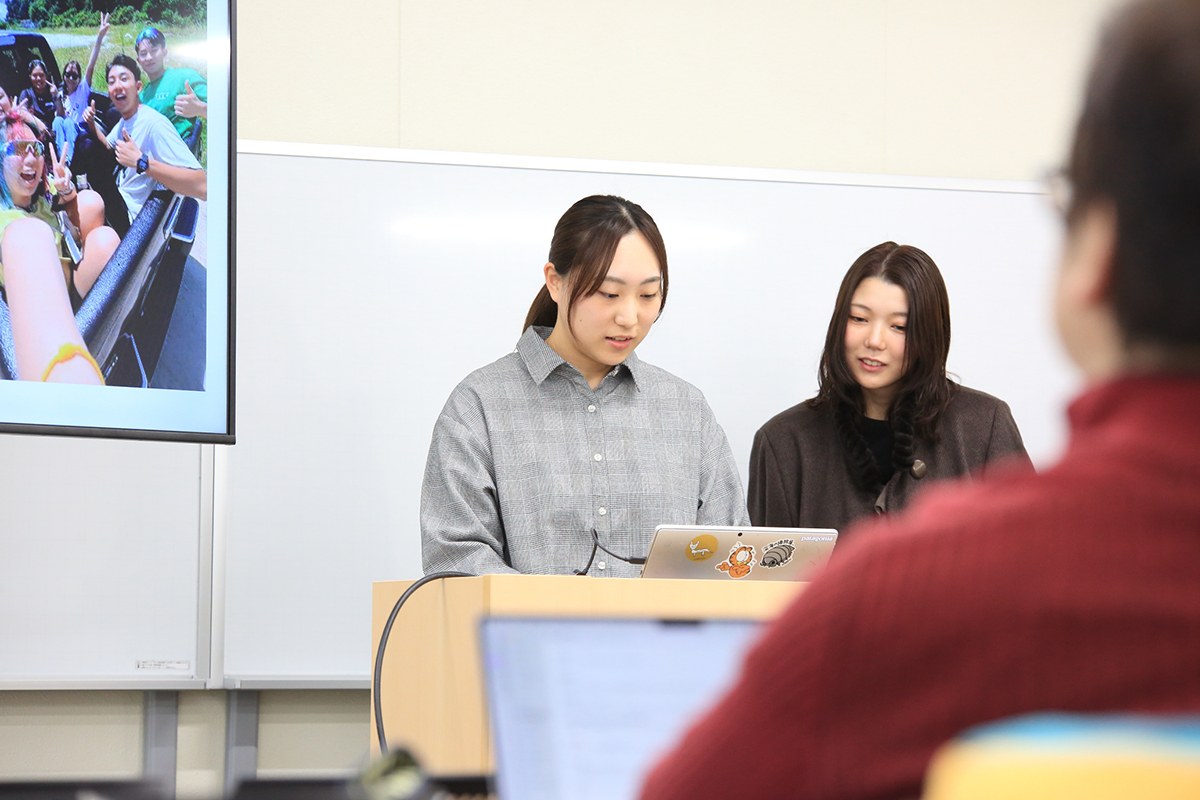
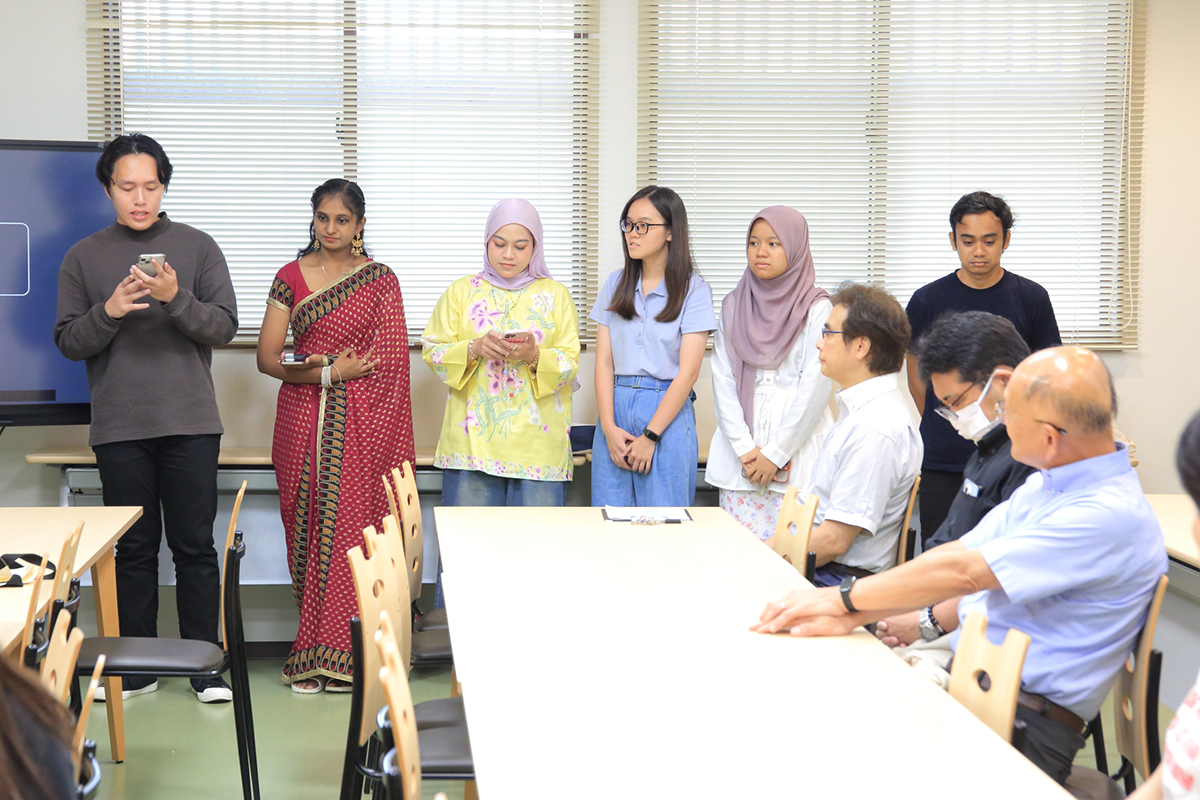
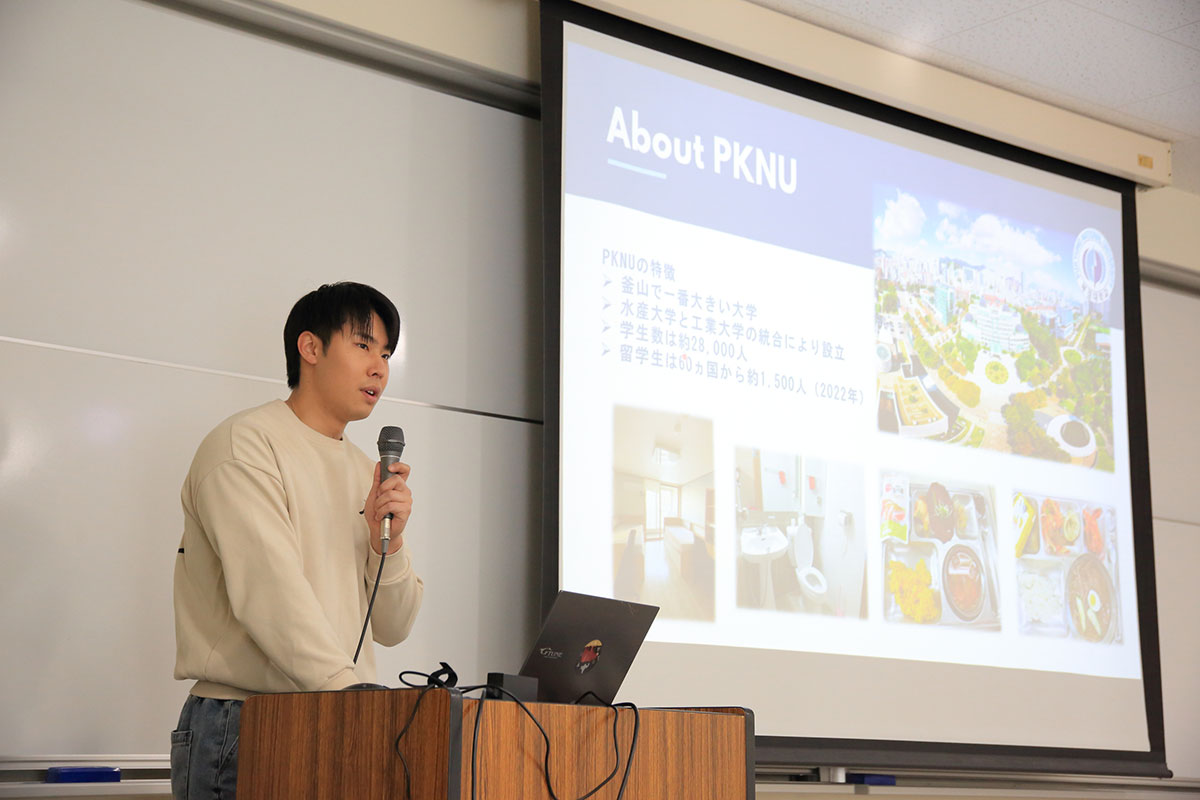
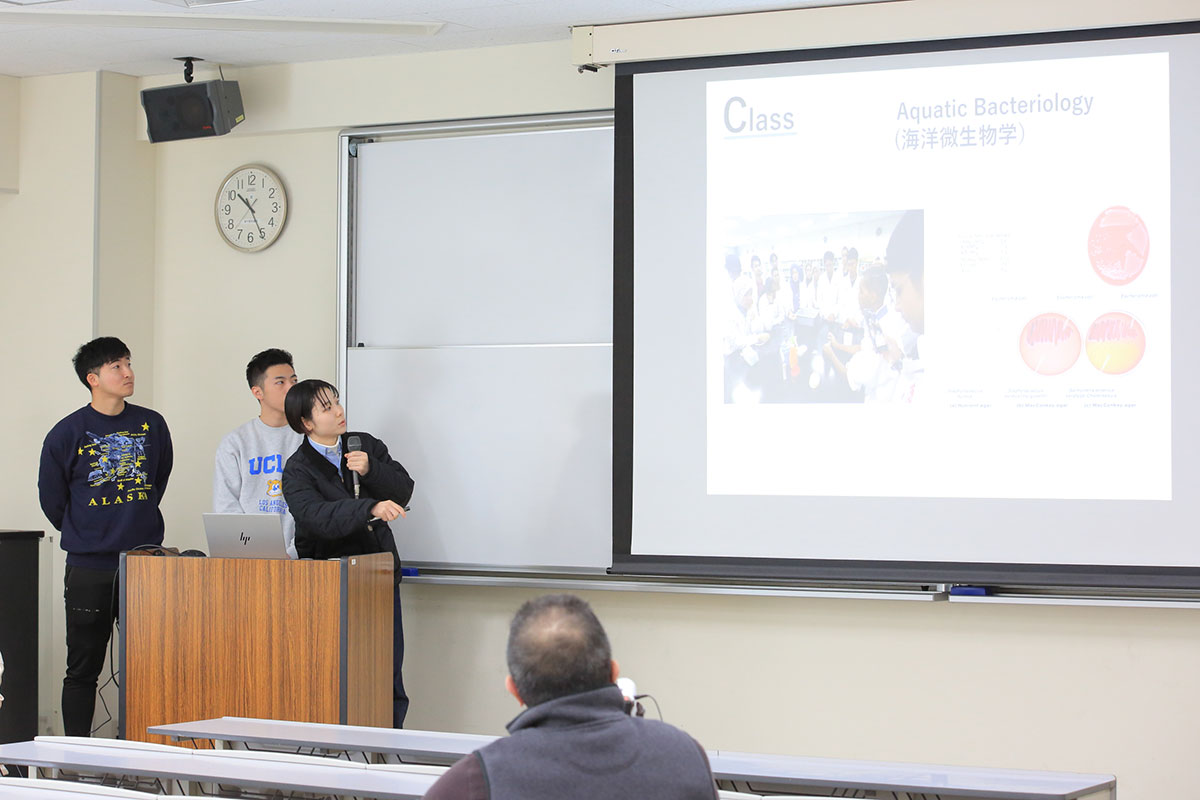
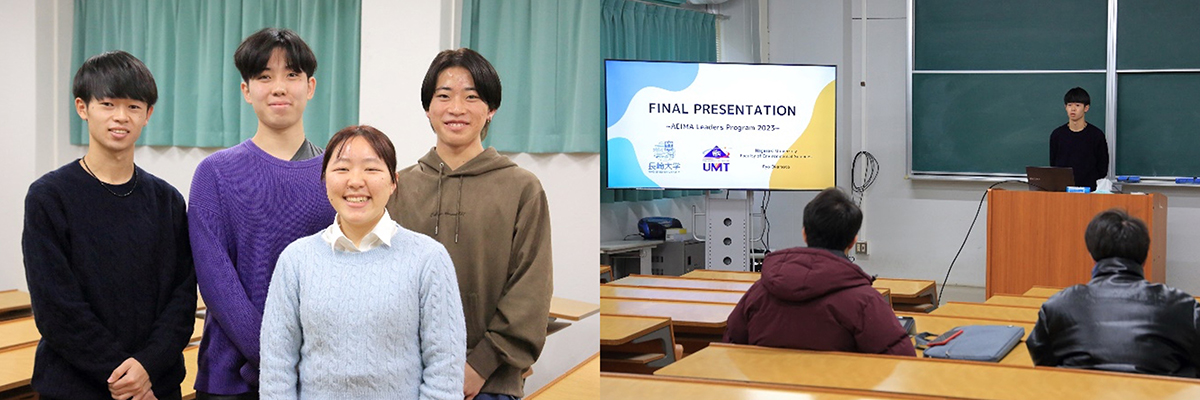
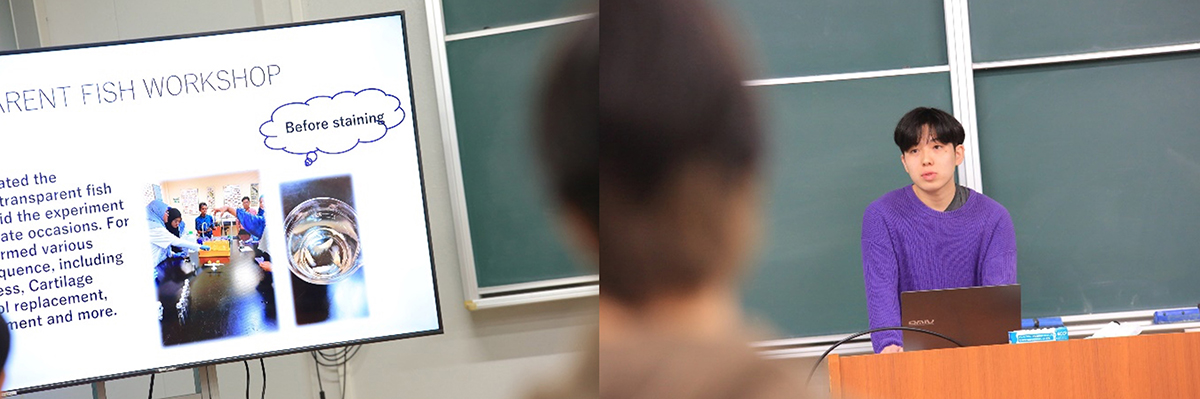
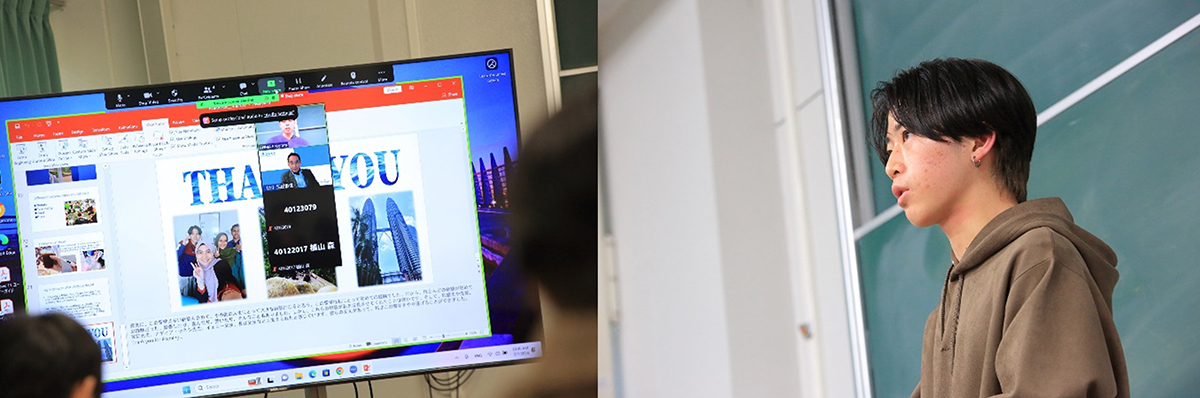
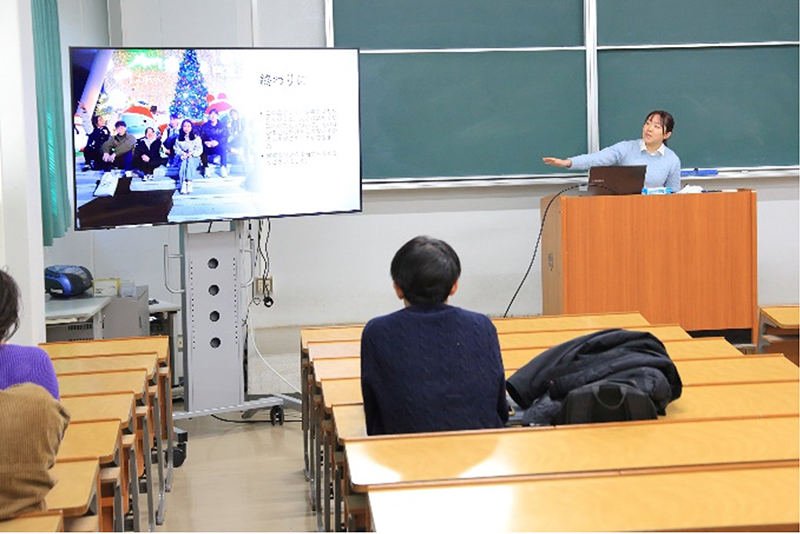
The students presented the results of their studies at Universiti Malaysia Trengganu and Pukyong National University.

Here are the contents of each presentation.


【Studied at Universiti Malaysia Terengganu for about 3 months】

Internship Period: August 9, 2025 to October 24, 2025
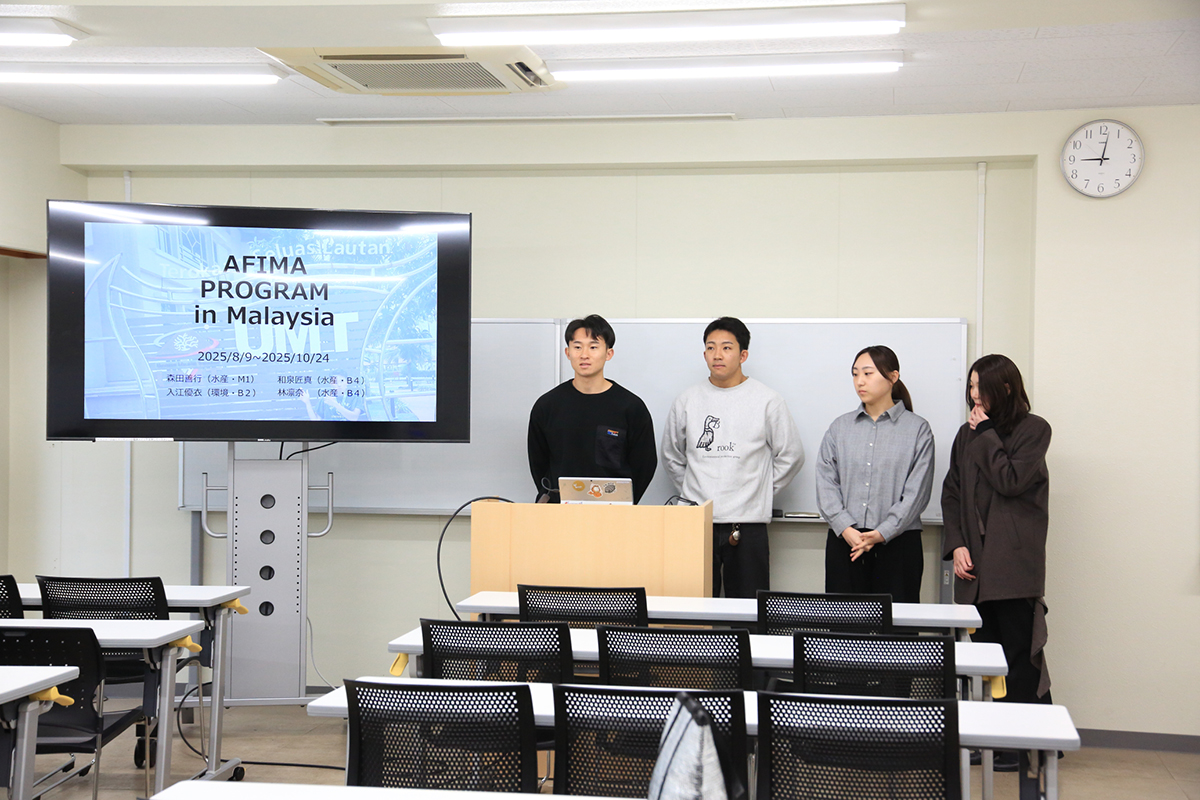
 

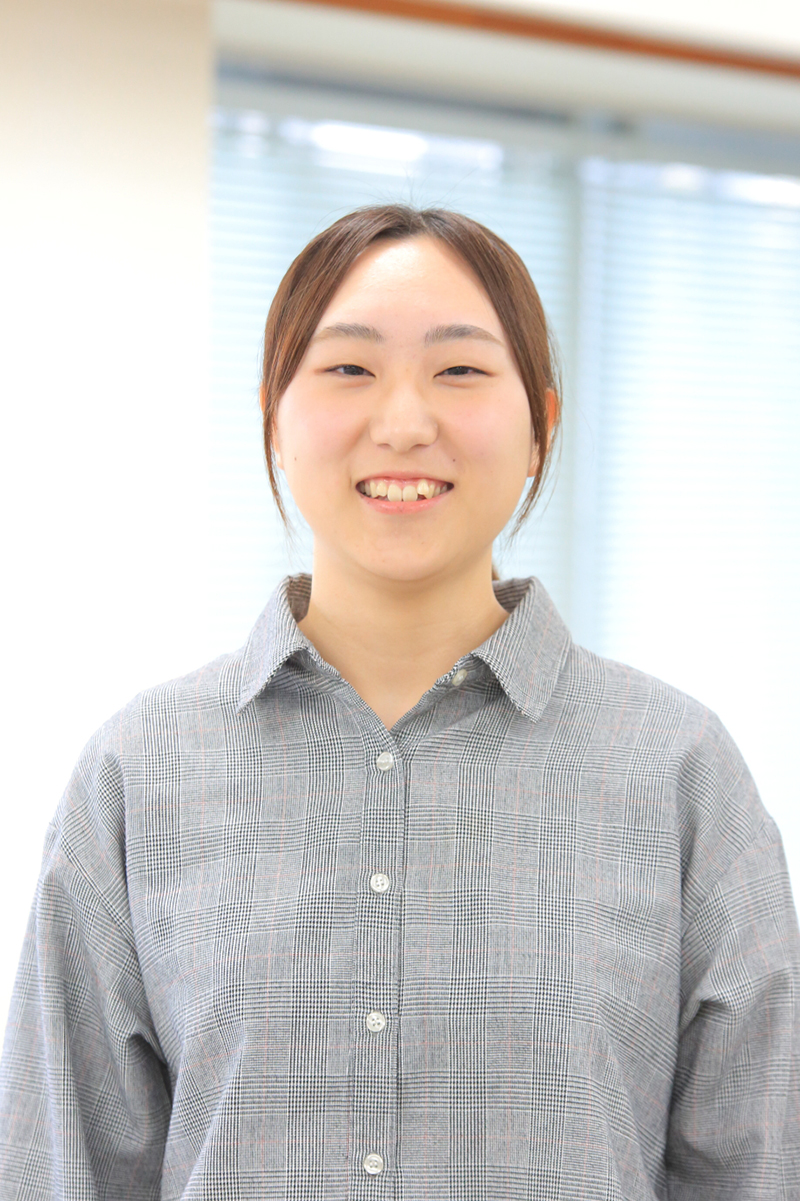
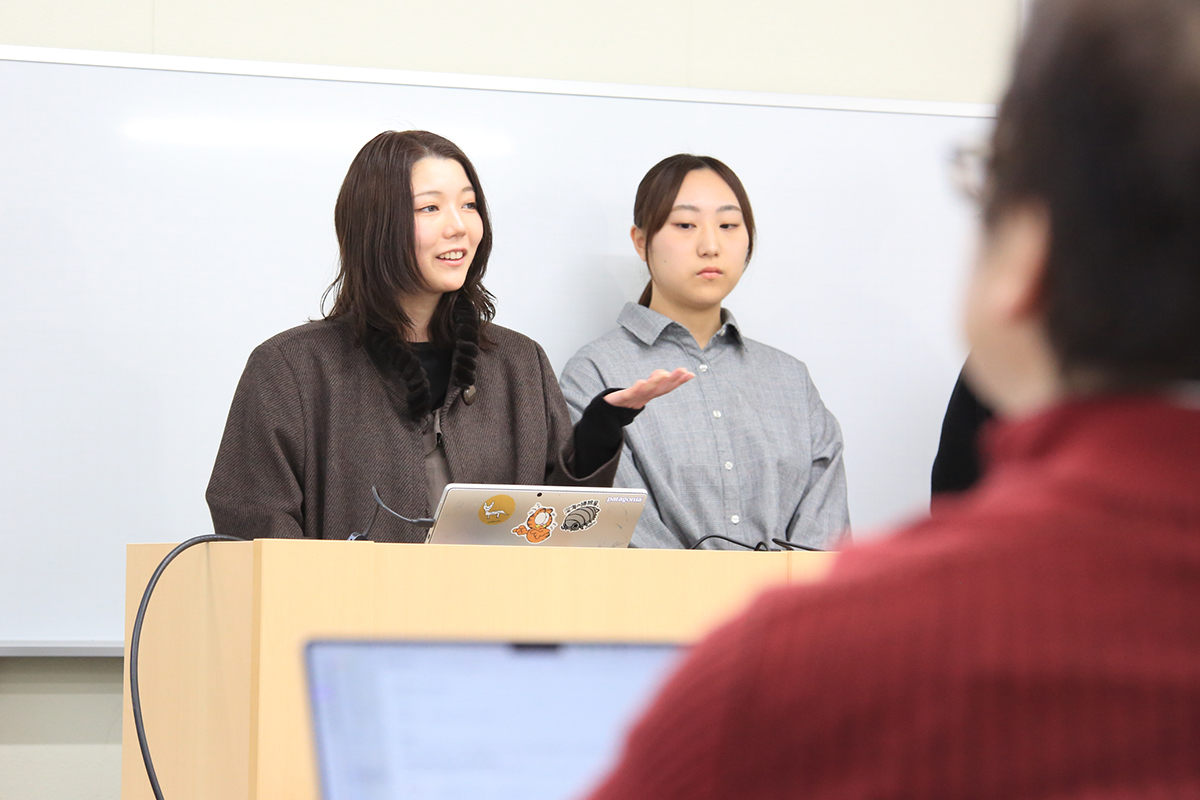
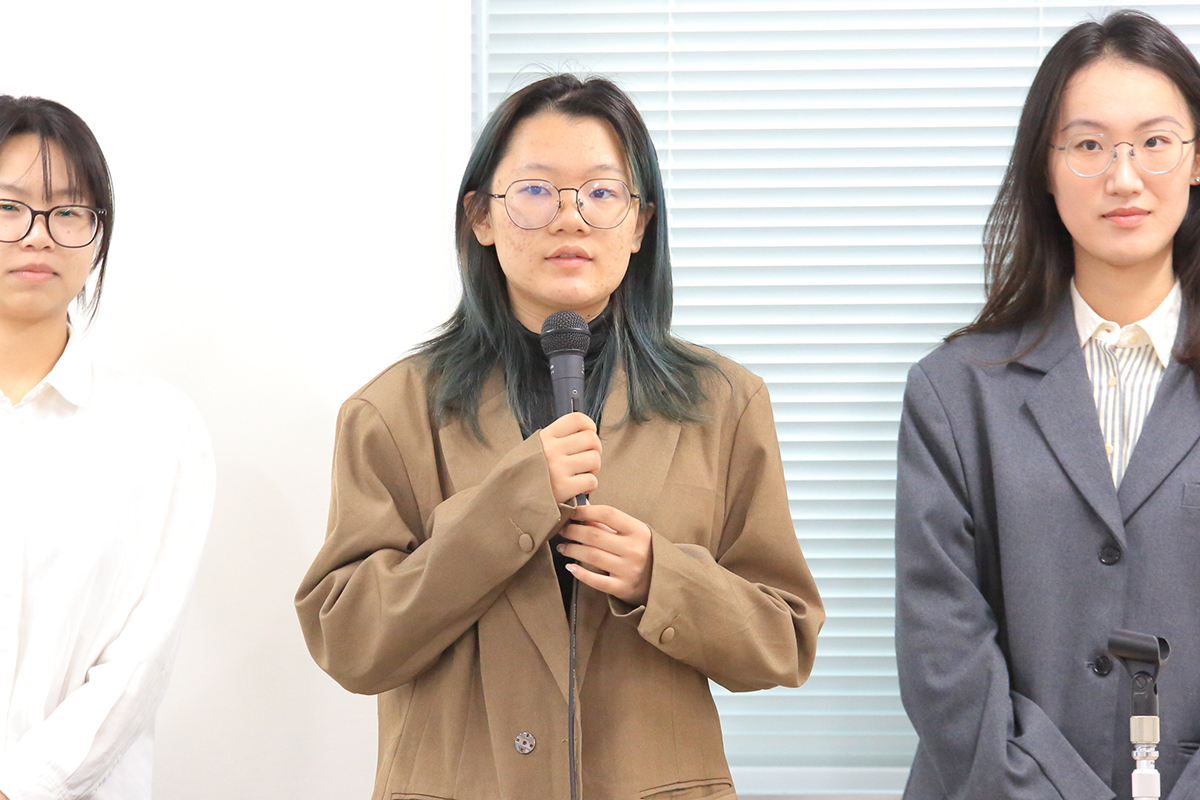
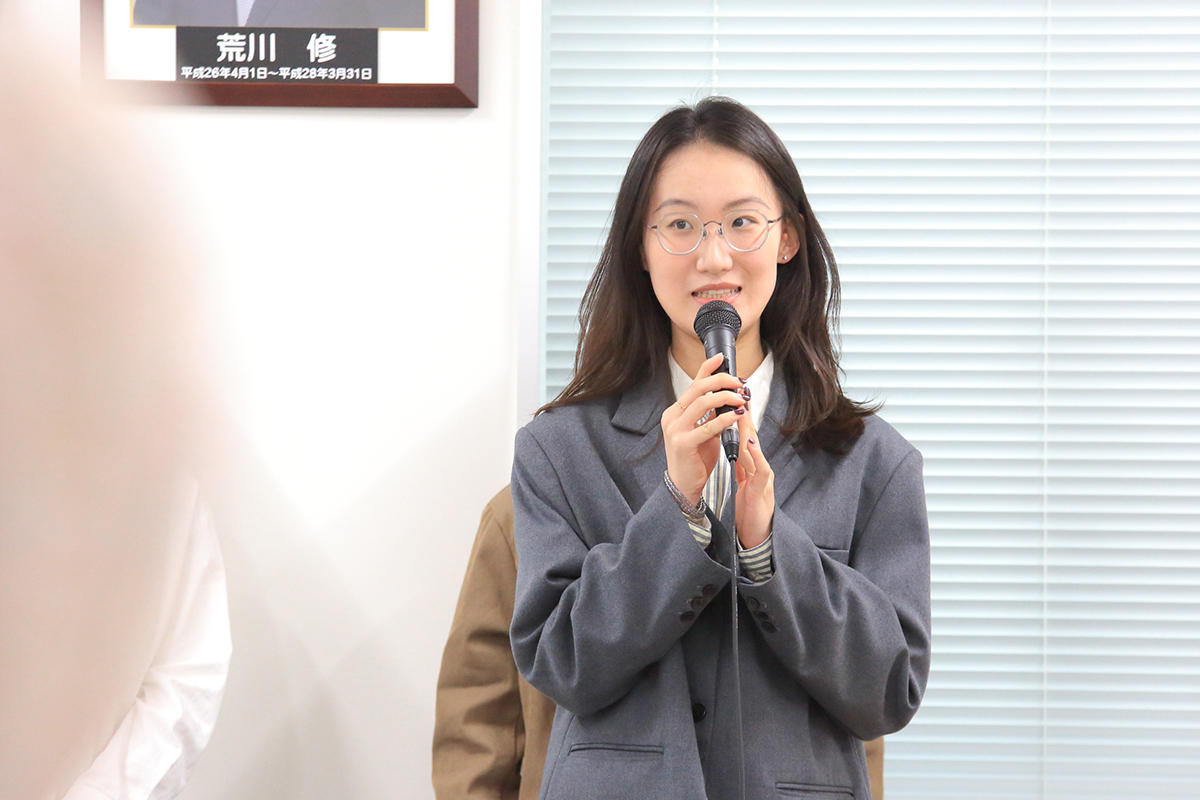
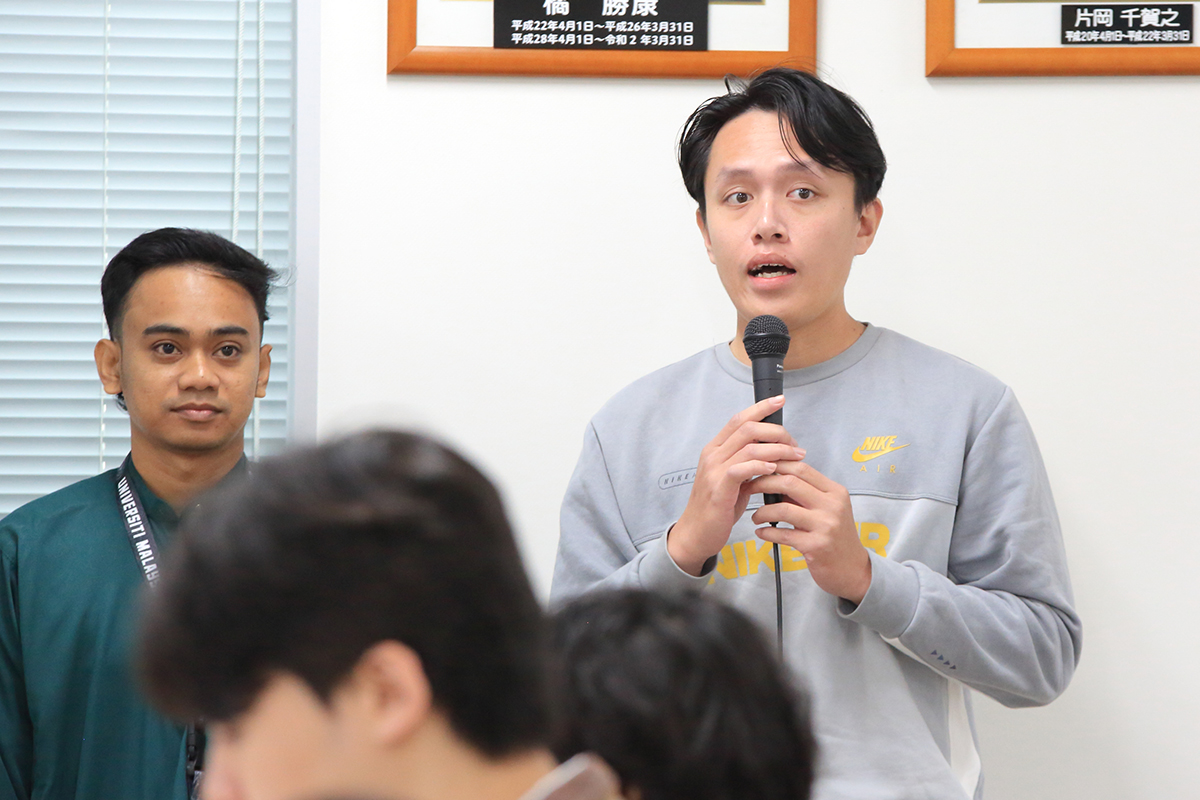
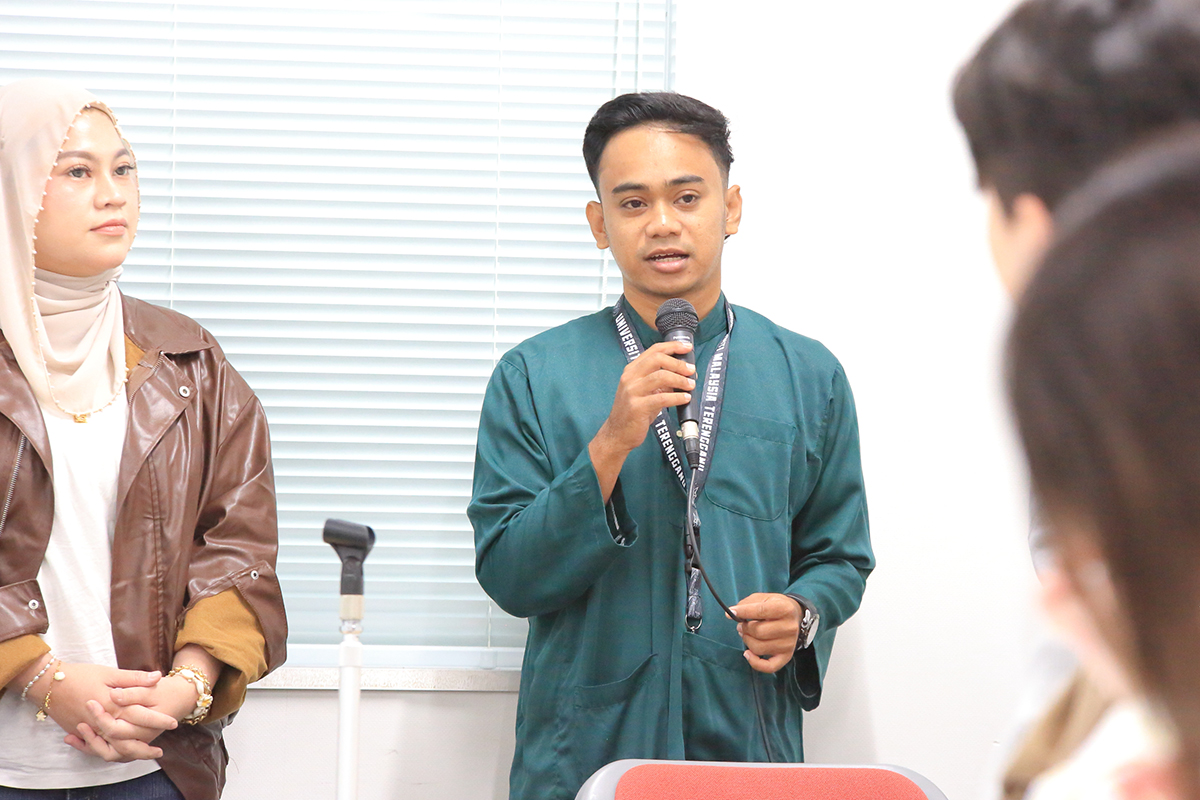
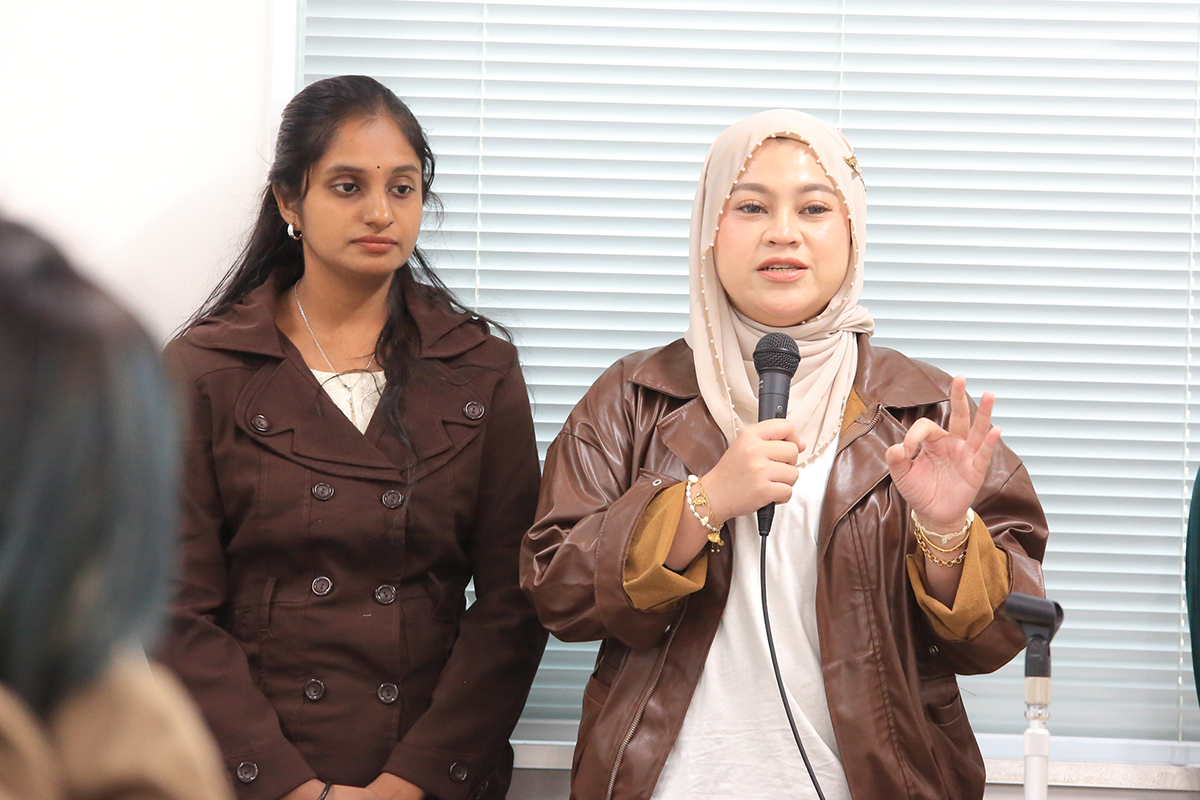
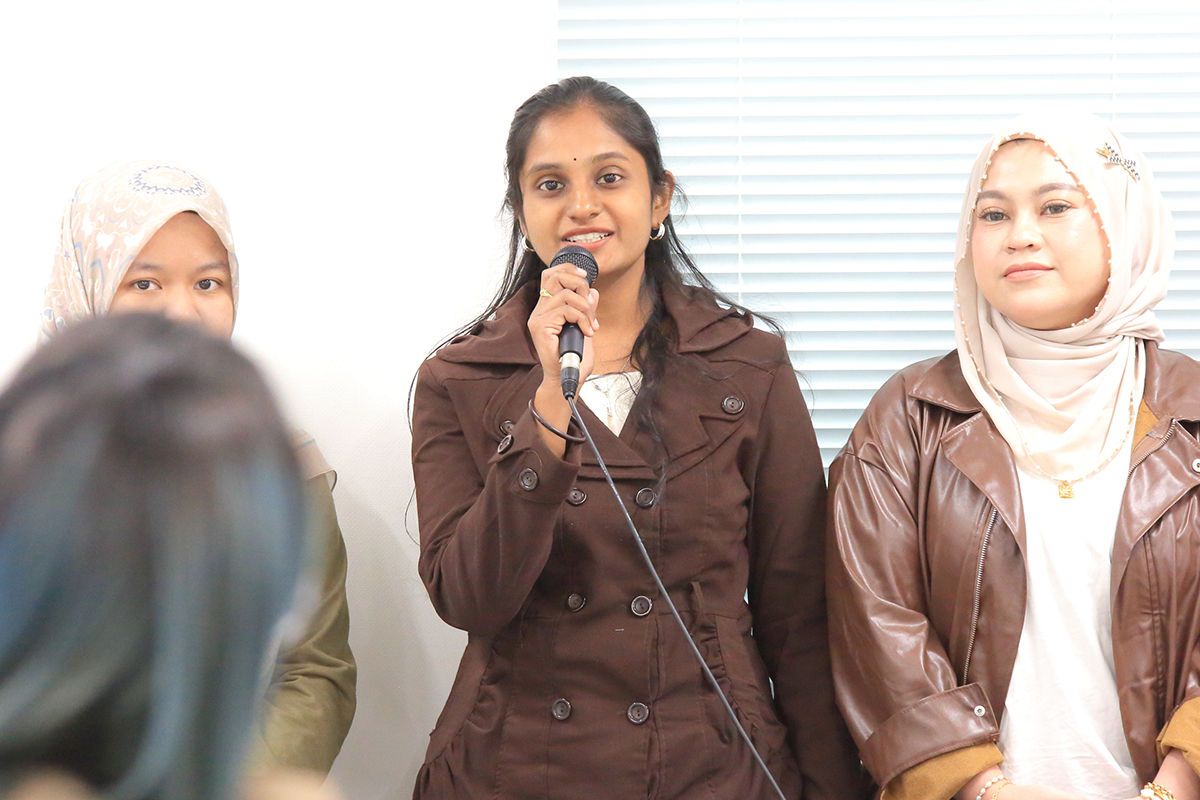
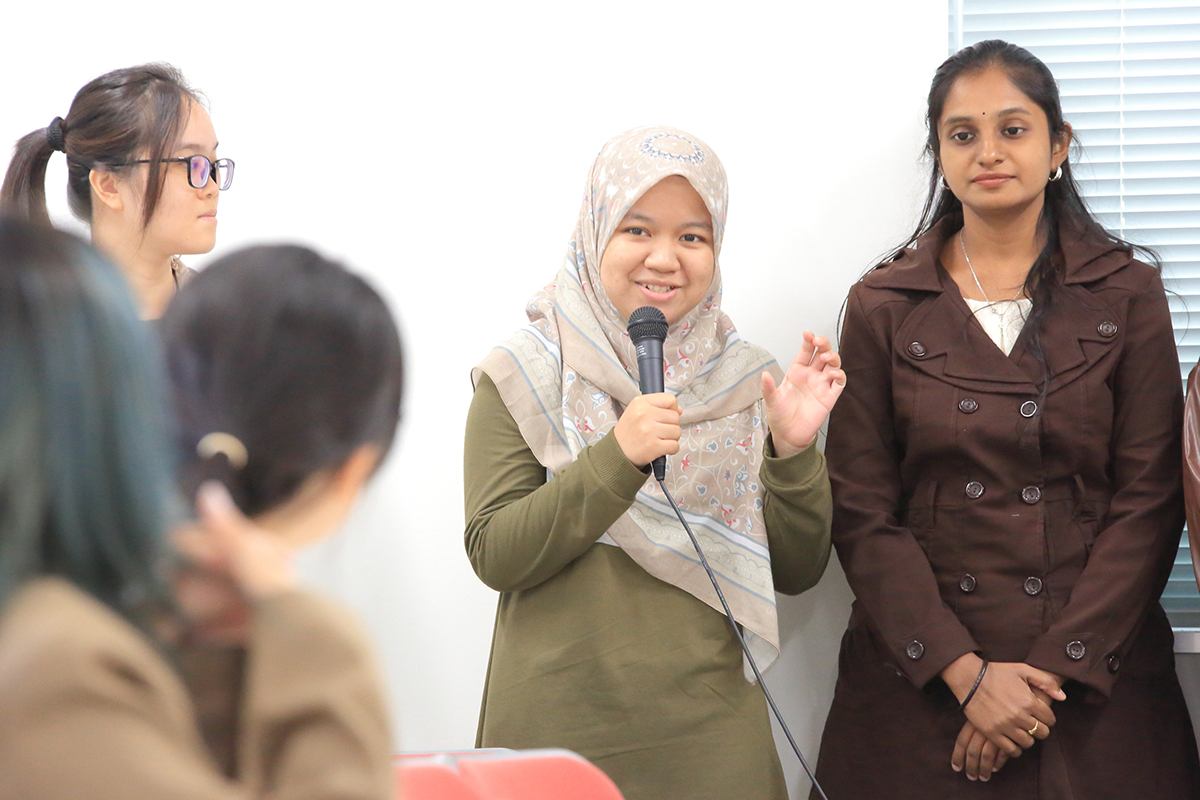
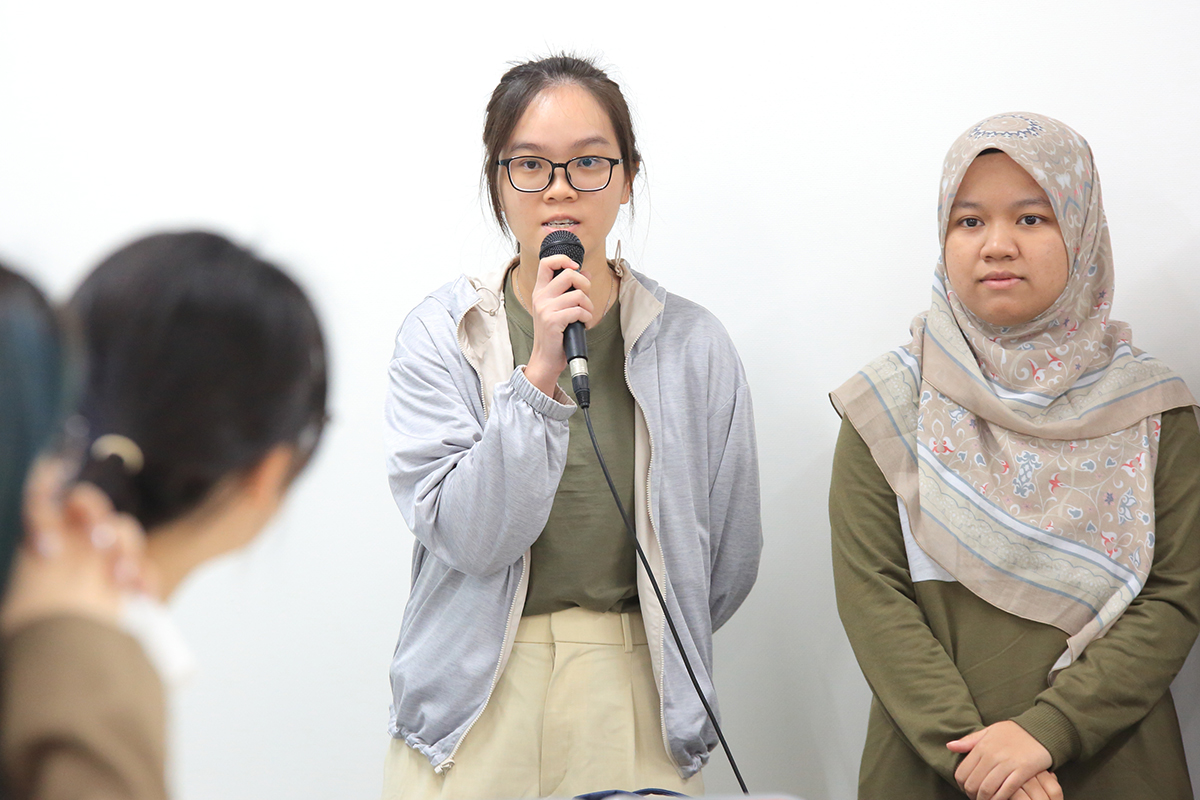
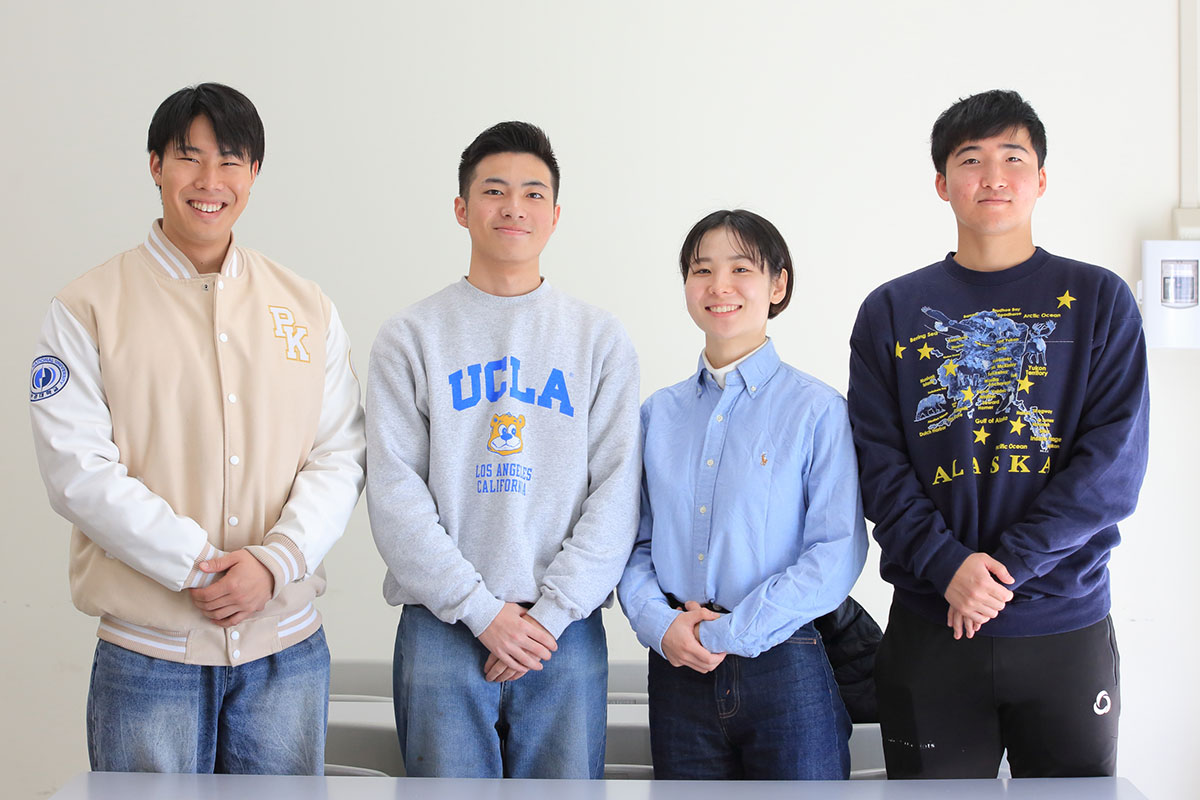
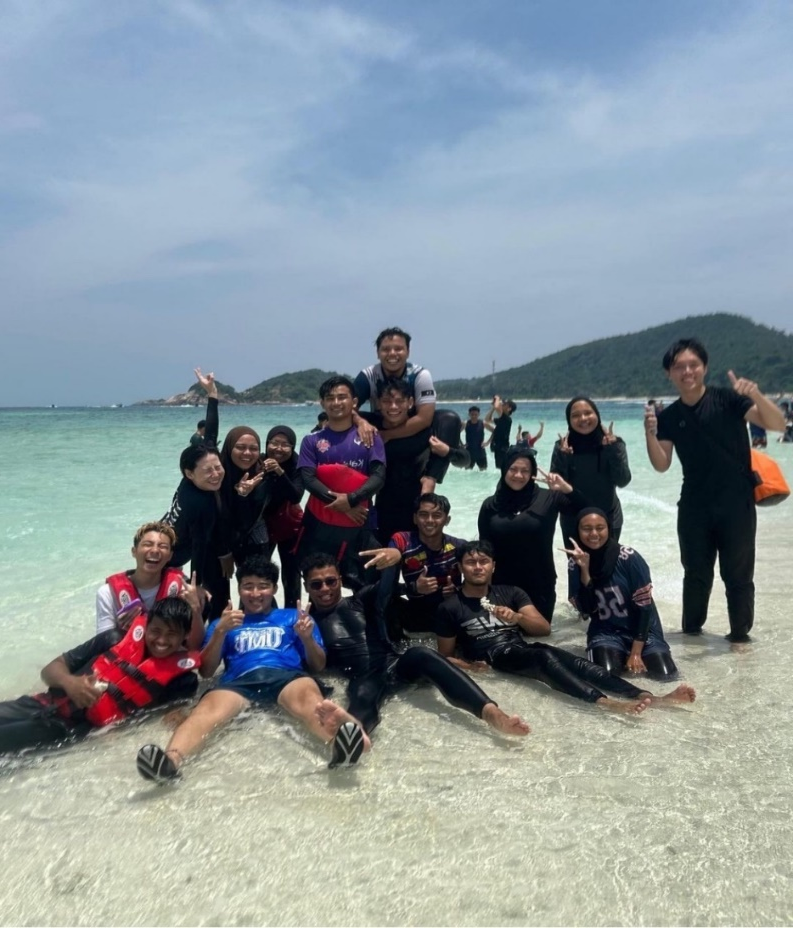
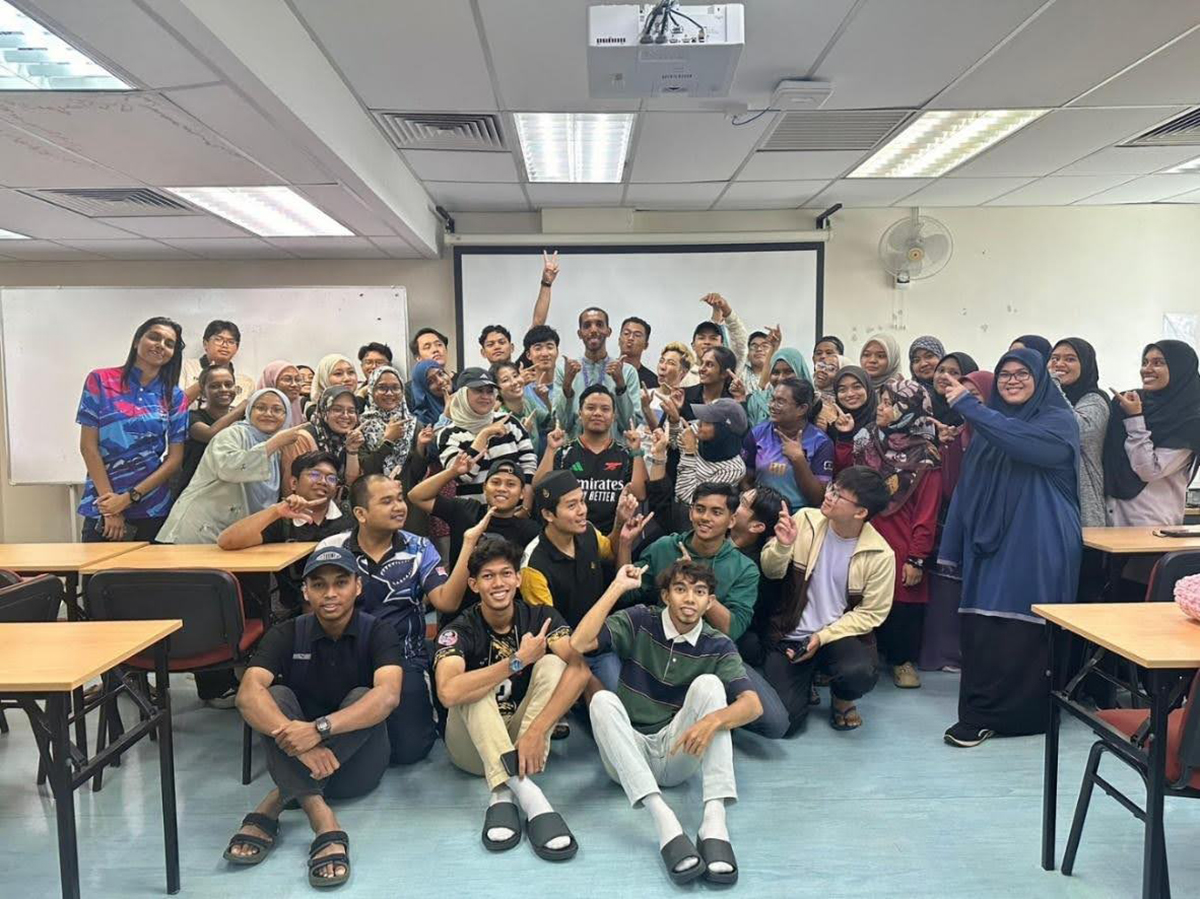
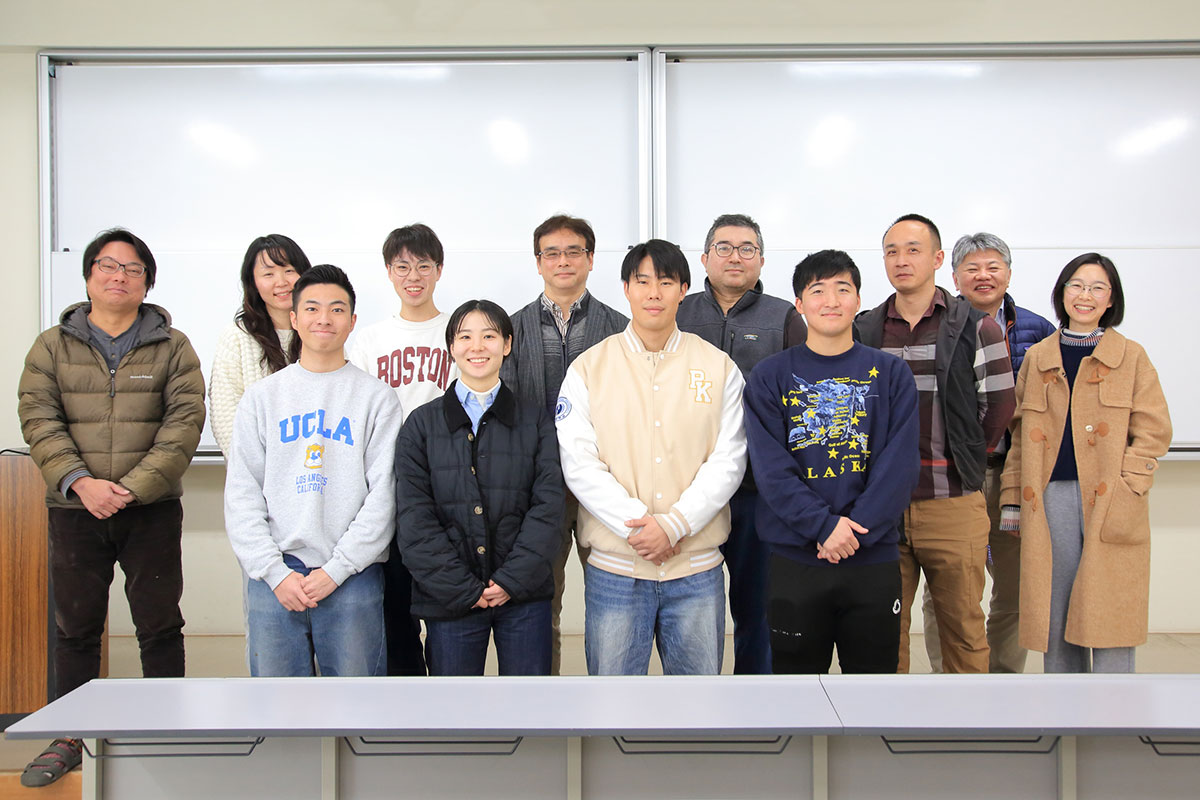
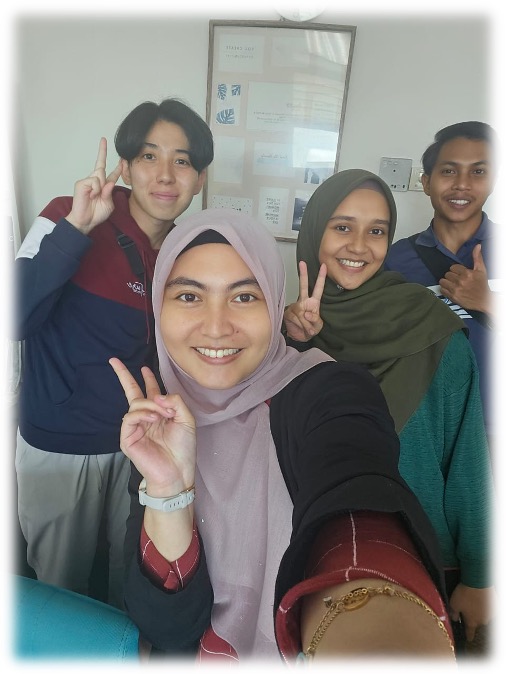
From left to right: Yoshiyuki Morita, Shoma Izumi, Yui Irie, Rinna Hayashi


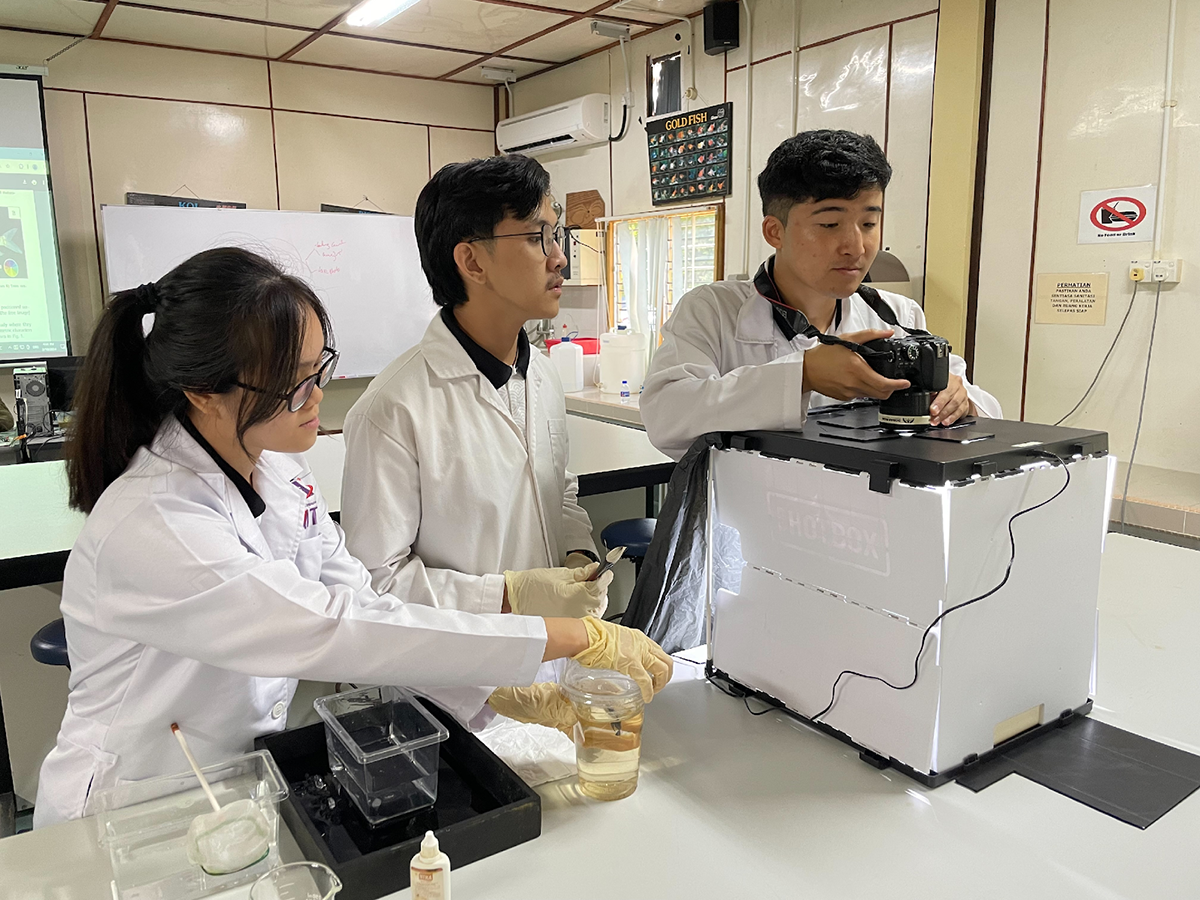
Artificial Insemination of Fish
Aquaculture Production of Ornamental Fish
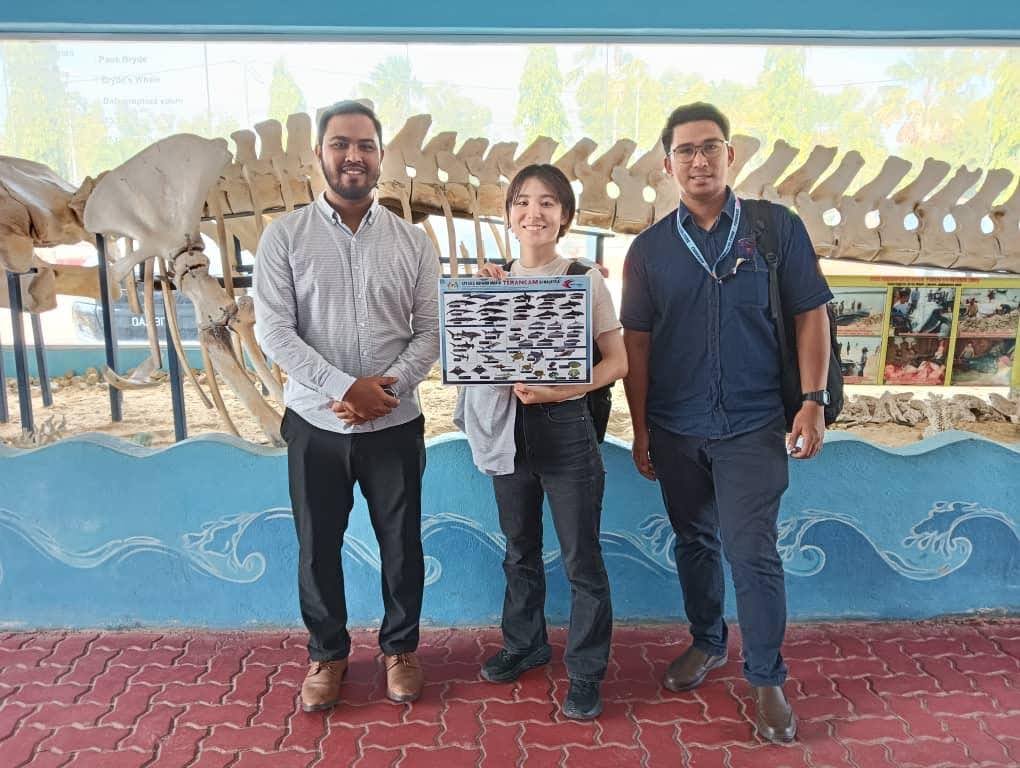
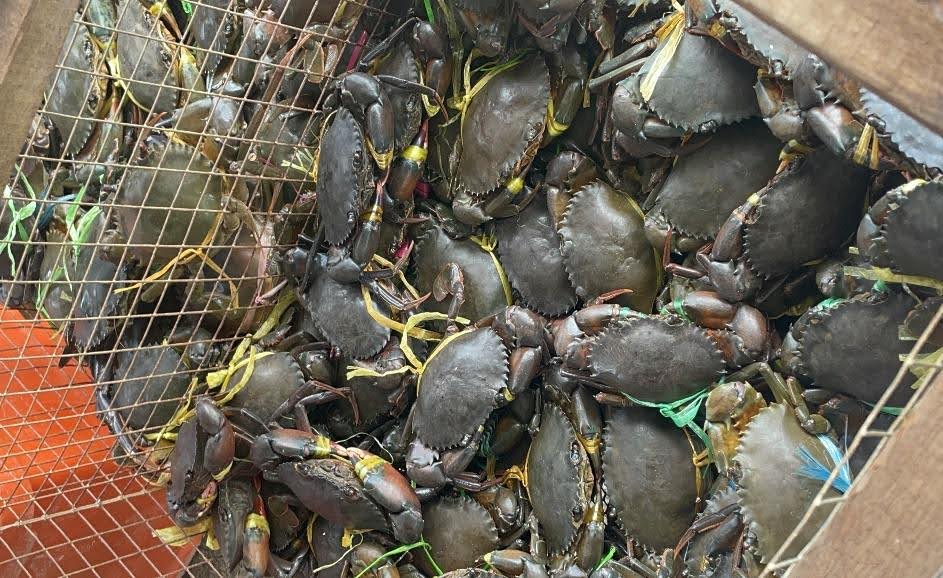
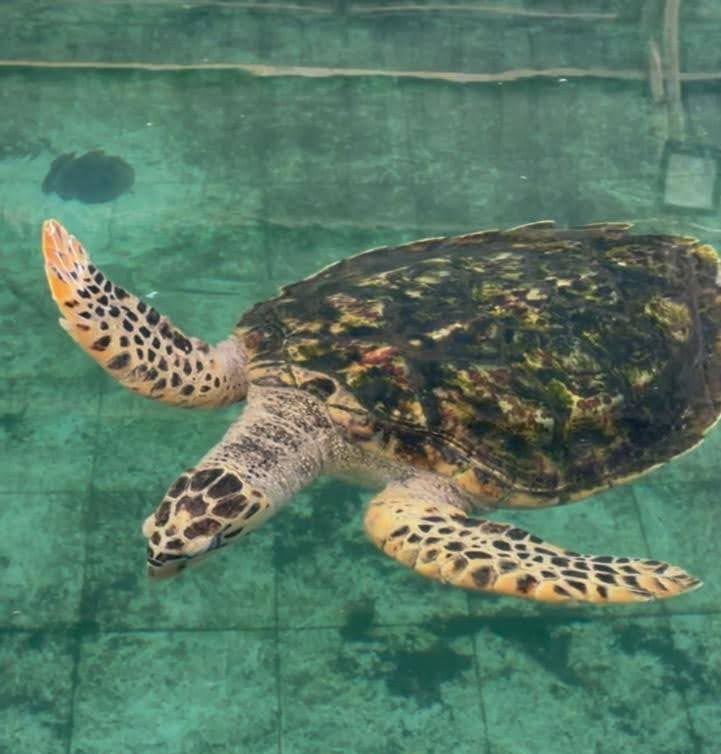
Experience the Diversity of the Sea’s Bounty
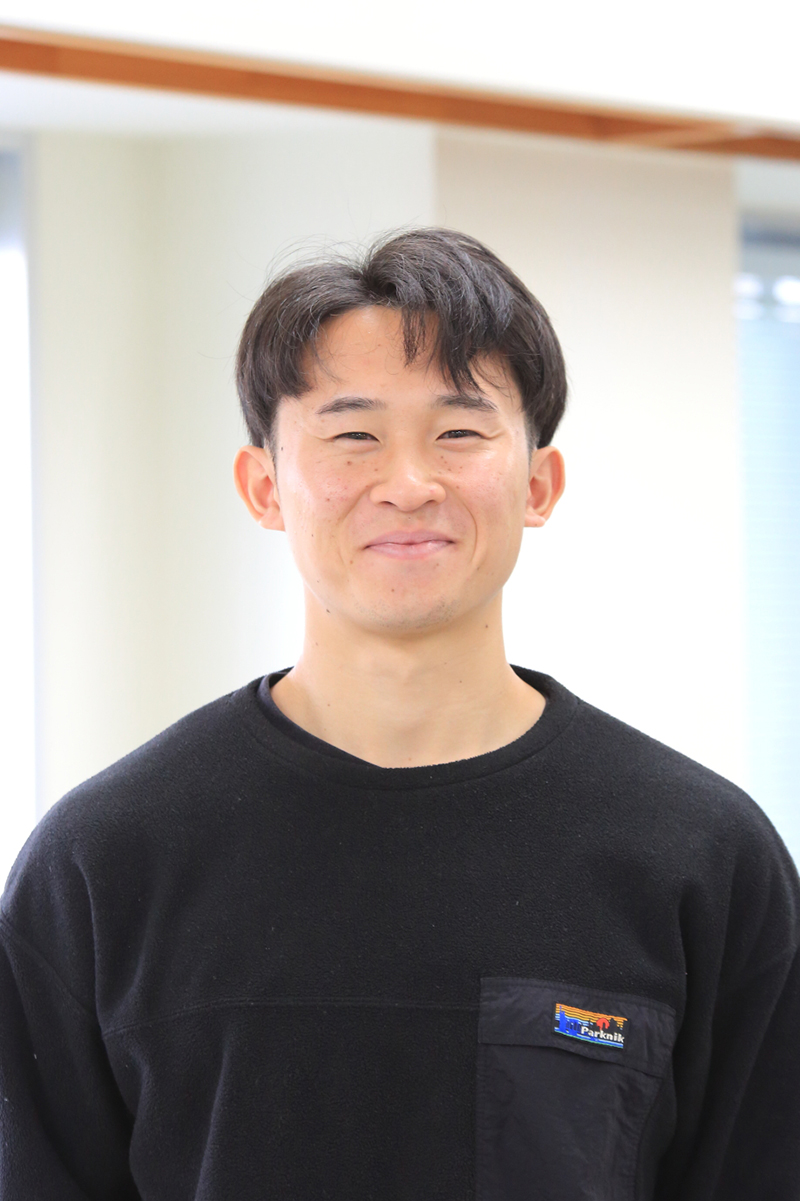


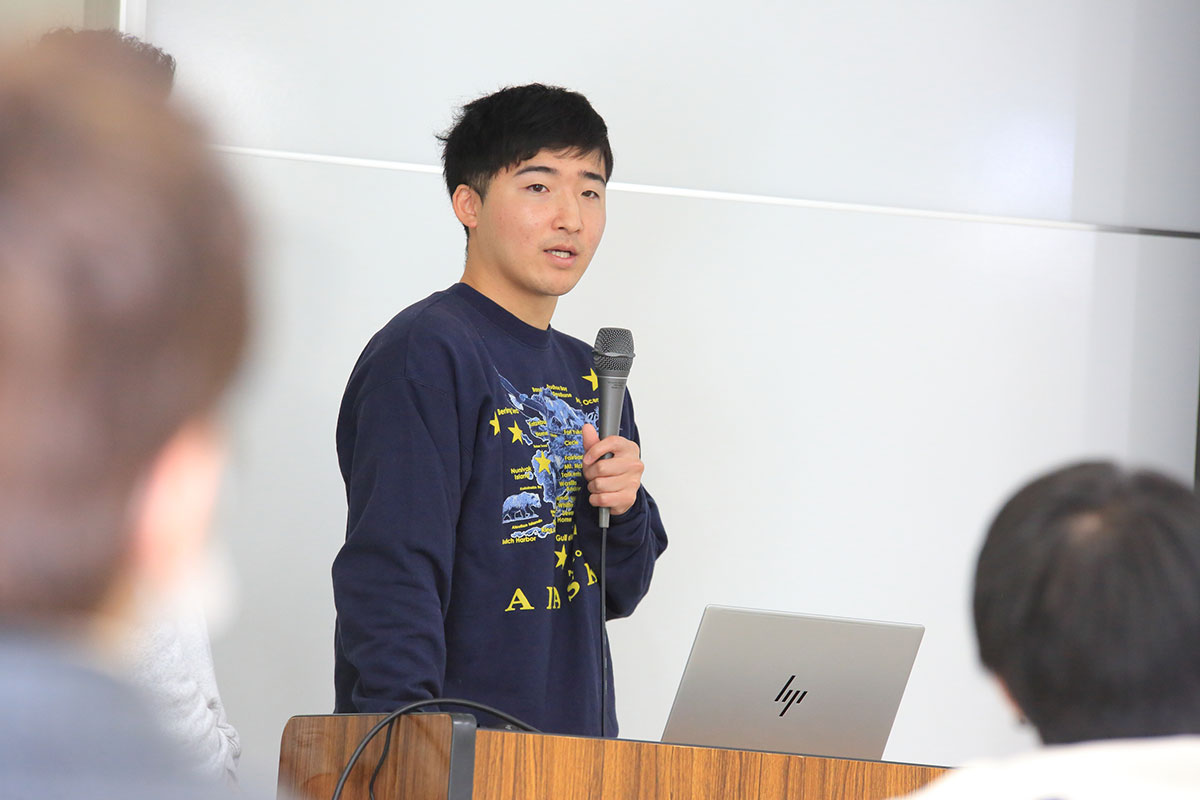
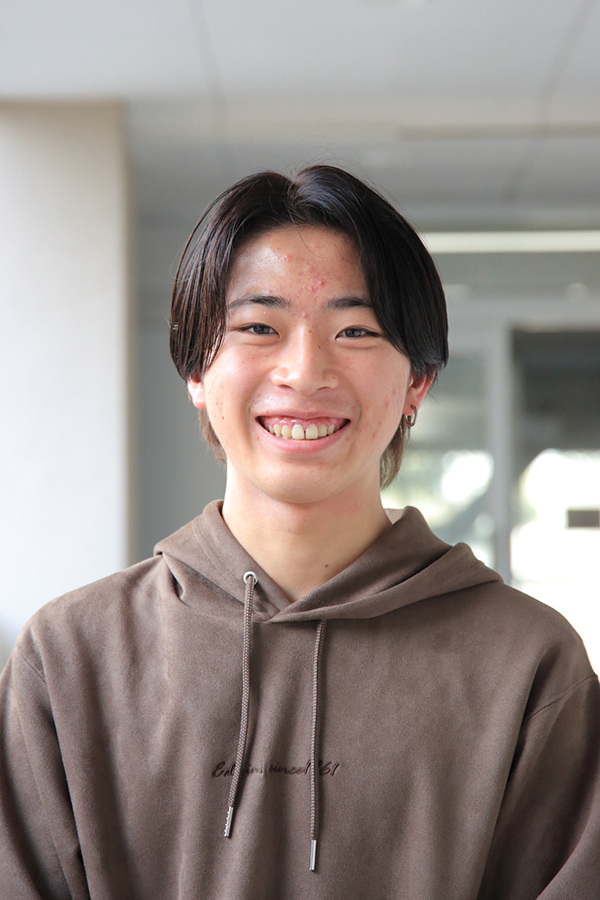
Yoshiyuki Morita

Graduate School of Integrated Production Science Master’s Program, 1 year
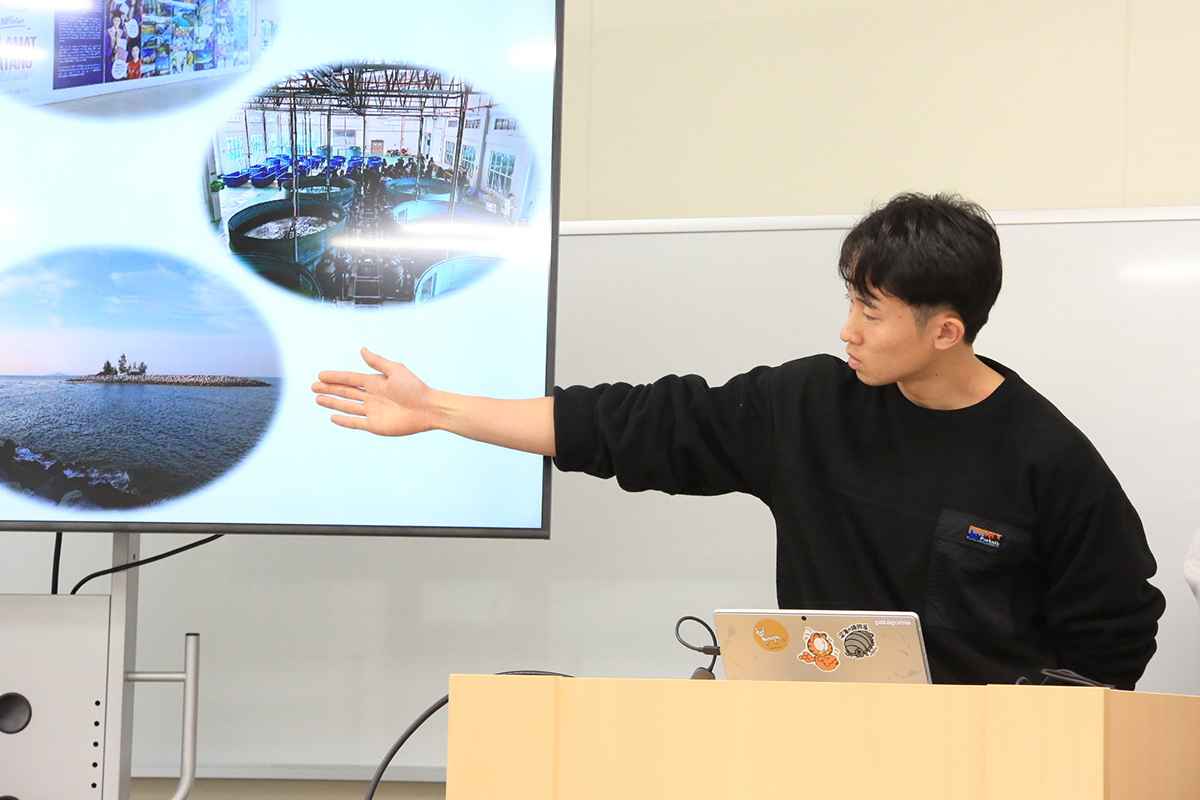


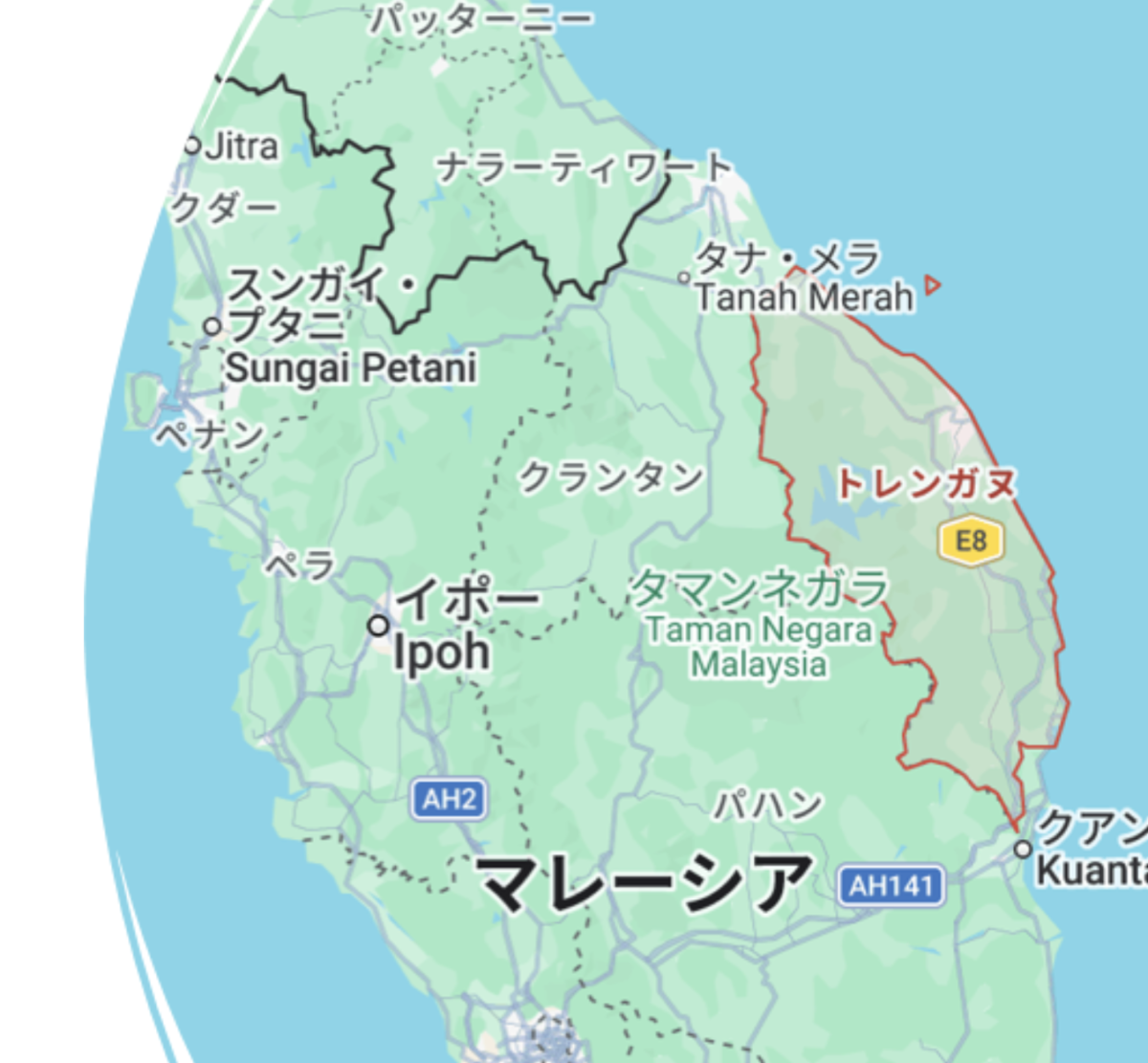
The state of Terengganu is located on the east coast of the Malay Peninsula, boasting vast expanses of magnificent nature. One reason I chose Universiti Malaysia Terengganu as my study abroad destination was because I was drawn to this rich natural environment. Furthermore, the majority of the state’s residents are Muslim, making it a region where Islamic culture remains deeply rooted. A unique aspect of Malaysia is that each state has its own royal family, and the representative of this royal family also serves as the King of the country. The state we stayed in also had its own royal family.


Universiti Malaysia Terengganu is a national university with a strong focus on marine studies, conducting global education and research. It offers faculties in Computer Science, Aquatic Food Science, Accounting and Management, and Aquatic Engineering. This time, I participated in classes within the faculties related to Fisheries Science and Aquaculture.


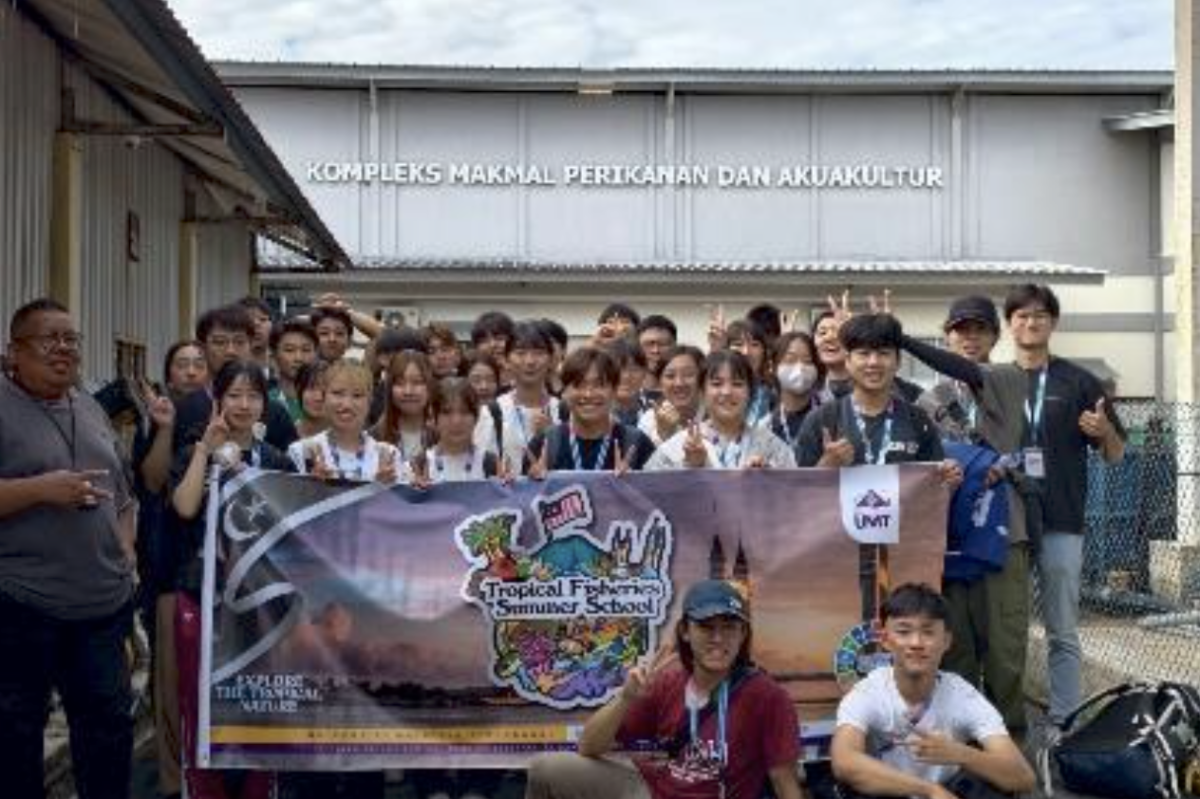
For the first two weeks, I participated in a summer school program for students from National Taiwan Ocean University and Mie University.

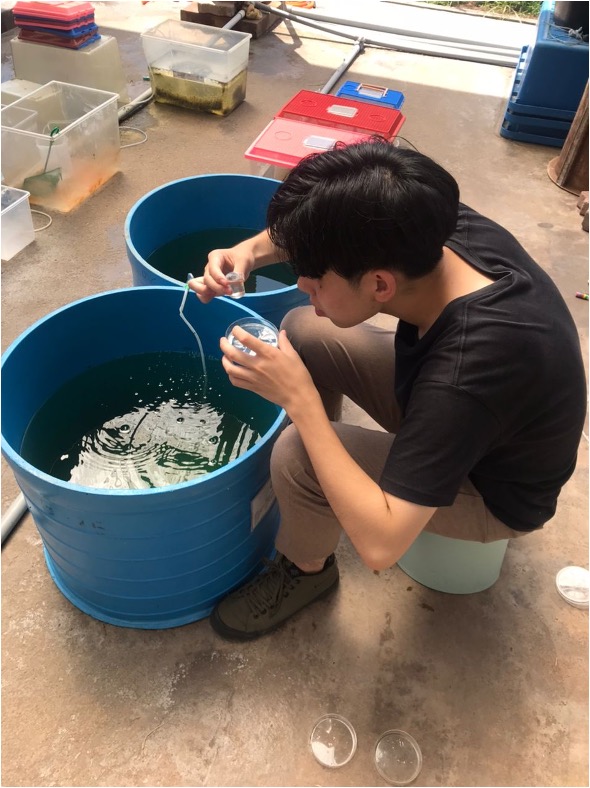
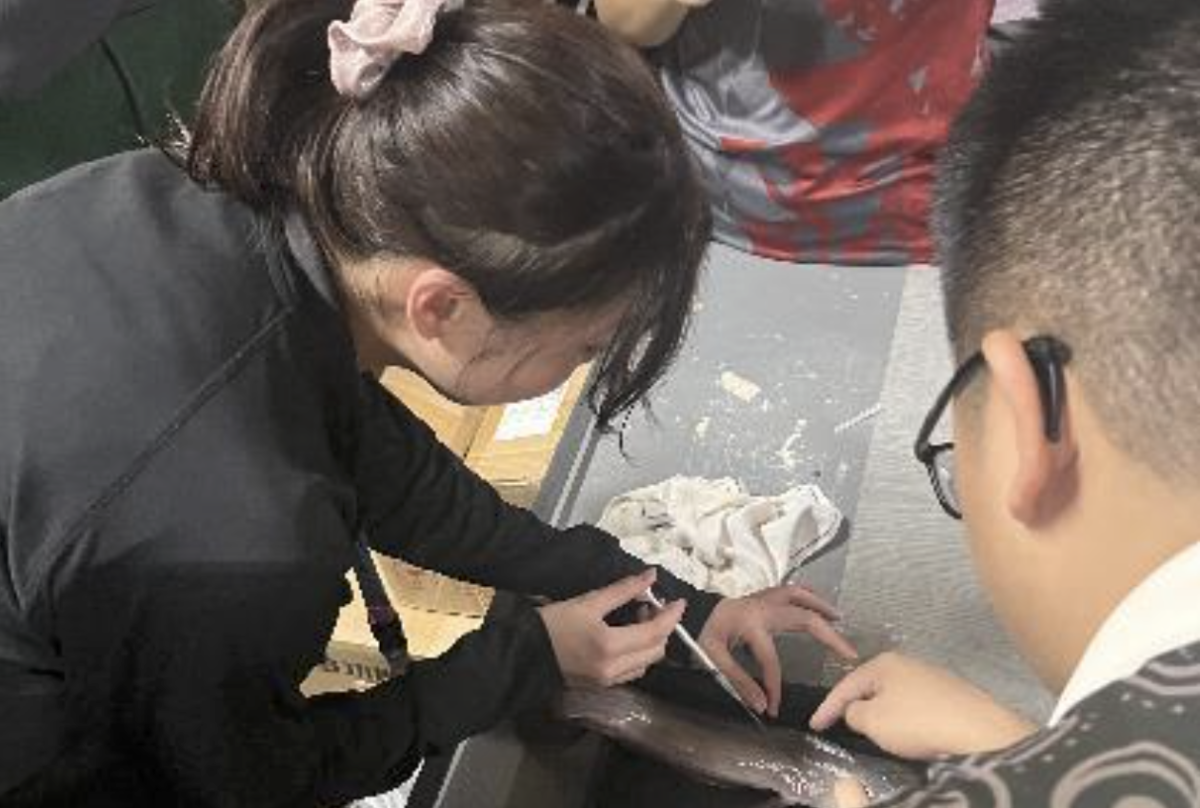
In Malaysia, I experienced artificial insemination of American catfish, a major aquaculture species. We collected eggs from fish that had received hormone injections the previous day, collected sperm from males, and fertilized the eggs. We then observed embryo development. This fish is remarkably resilient to environmental stress; it was impressive to see them swimming vigorously even in tanks without aeration.


For the first two weeks, I participated in a summer school program for students from National Taiwan Ocean University and Mie University.

In Malaysia, I experienced artificial insemination of American catfish, a major aquaculture species. We collected eggs from fish that had received hormone injections the previous day, collected sperm from males, and fertilized the eggs. We then observed embryo development. This fish is remarkably resilient to environmental stress; it was impressive to see them swimming vigorously even in tanks without aeration. 
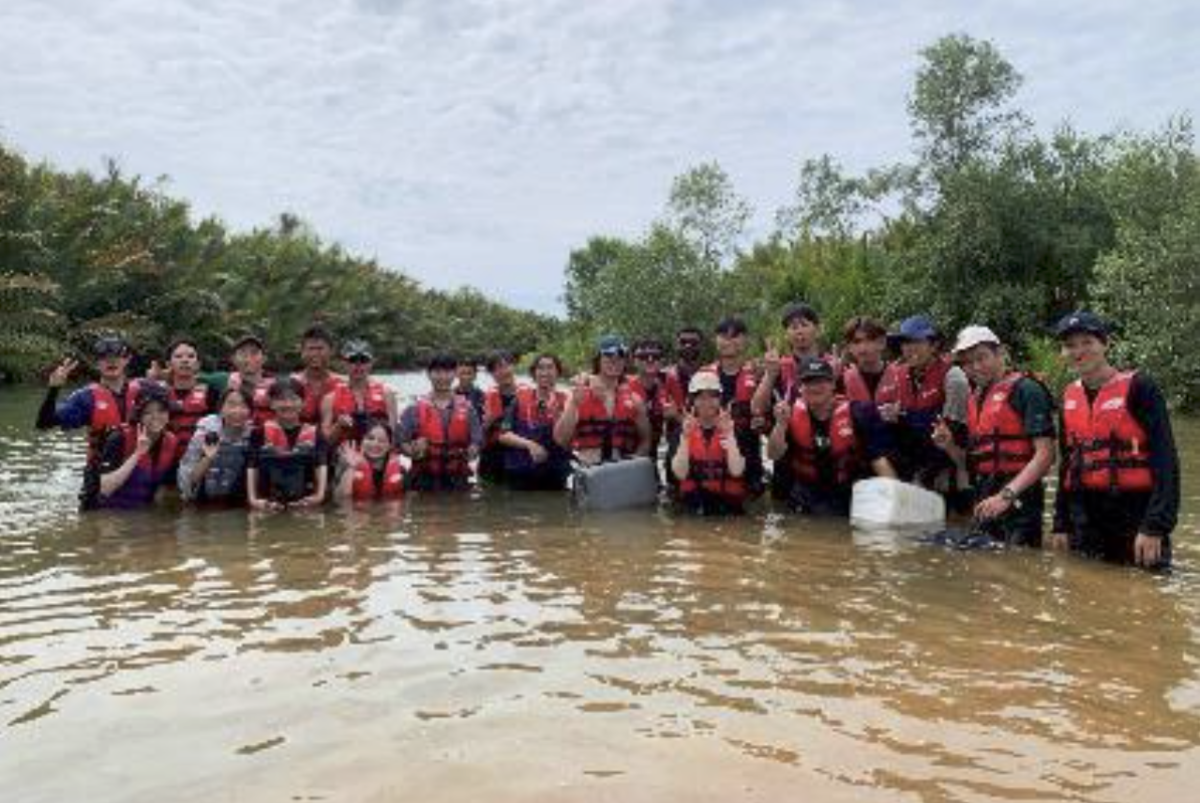


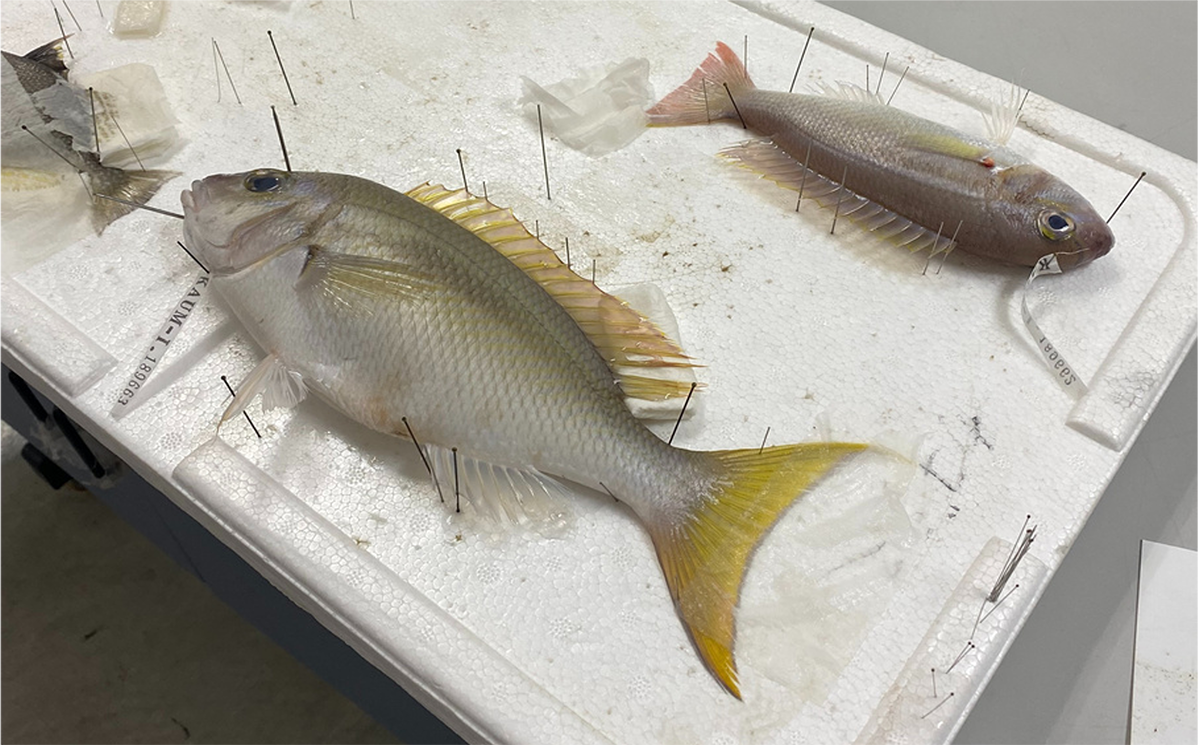
During the mangrove walk, I encountered plants not found in Japan. What surprised me was collecting palm-sized clams. We later grilled them over charcoal and ate them. They tasted delicious, without any muddy flavor.


I learned about the future of fish
nurtured by mangrove ecosystems
and improved water quality.


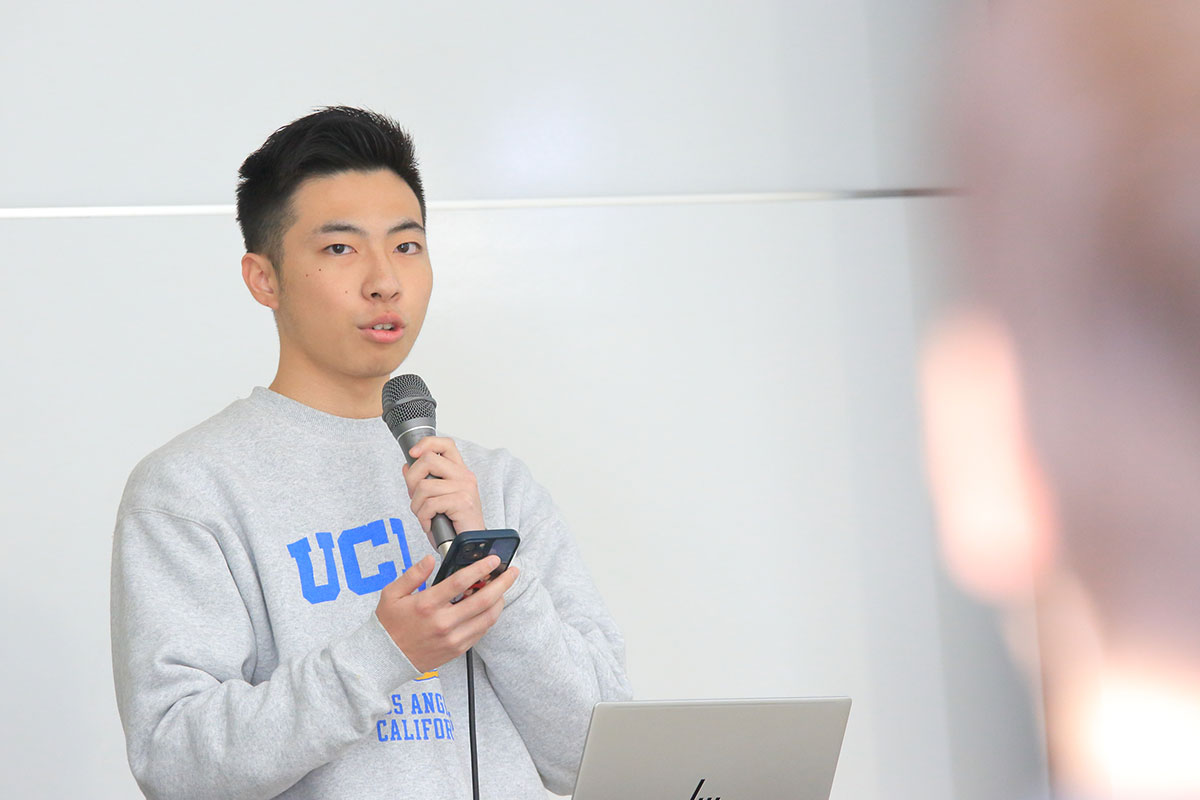
Shoma Izumi

Faculty of Fisheries Sciences, 4th Year


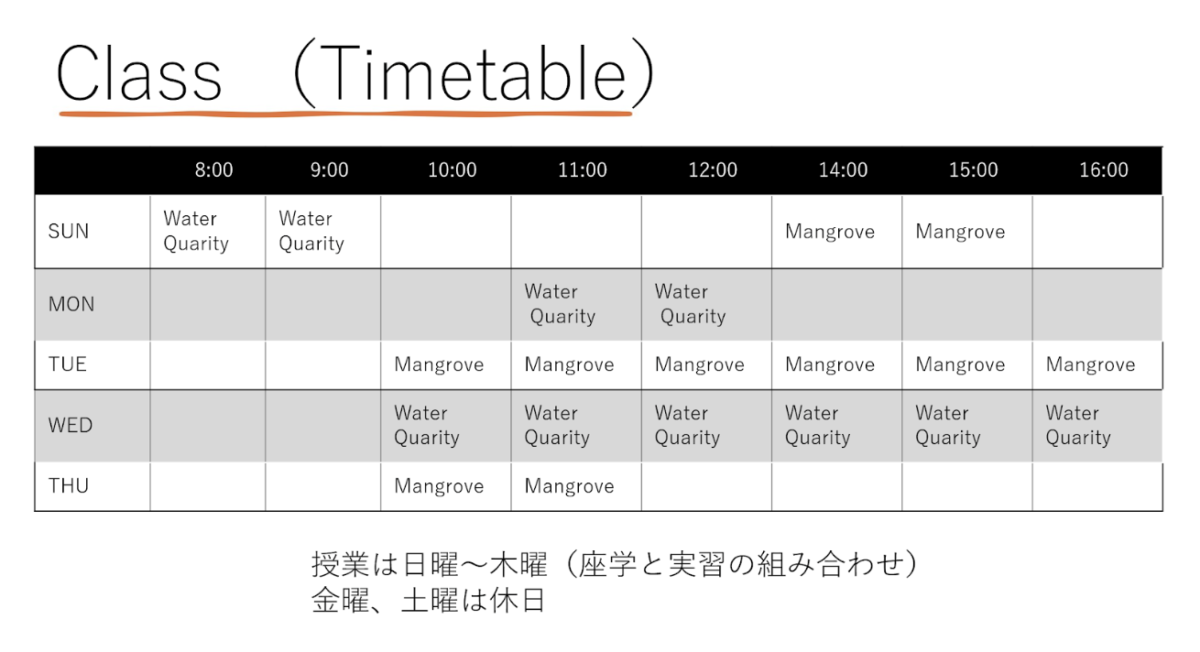
Classes are held from Sunday to Thursday, unlike in Japan, with Friday and Saturday being holidays. Each class session combines lectures and practical training (experiments). I took three courses: Water Quality Management, Mangrove Ecology, and Business Administration.


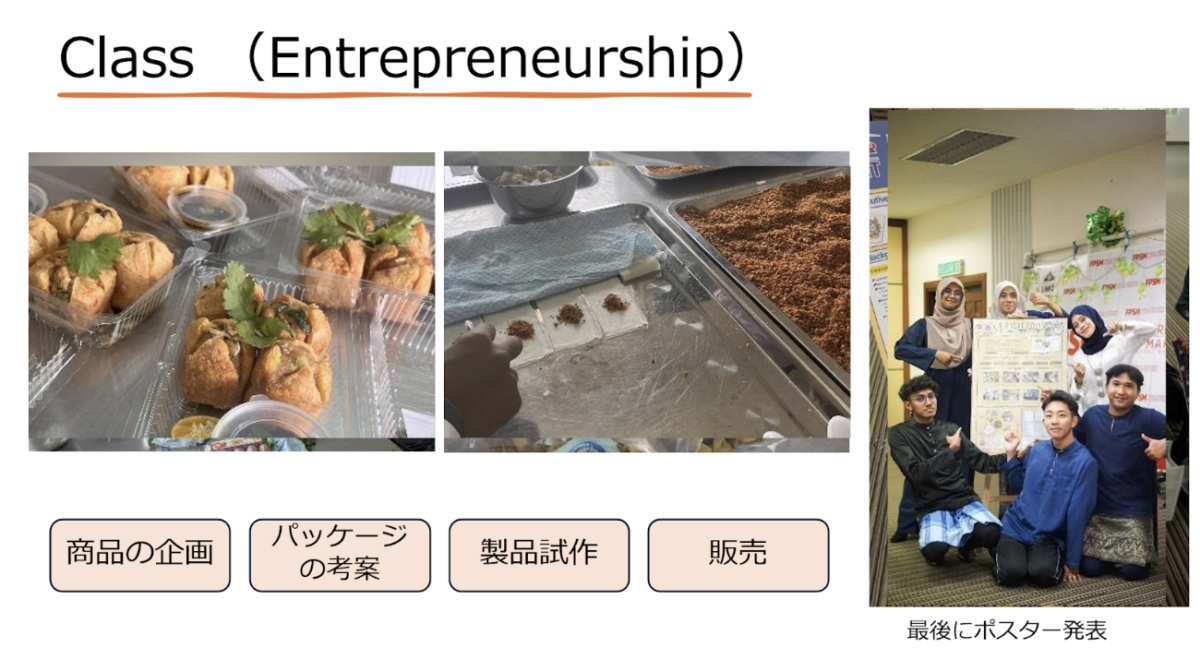
In Fisheries Management, we practiced the entire process from planning a product, designing packaging, manufacturing the item, to selling it. Divided into groups of five or six, we replaced the filling of a traditional dish called “TAUHU” with tuna. We also considered nutrients and raw material costs to create a solid profit-making system. Finally, we were able to present this entire process through a poster presentation.


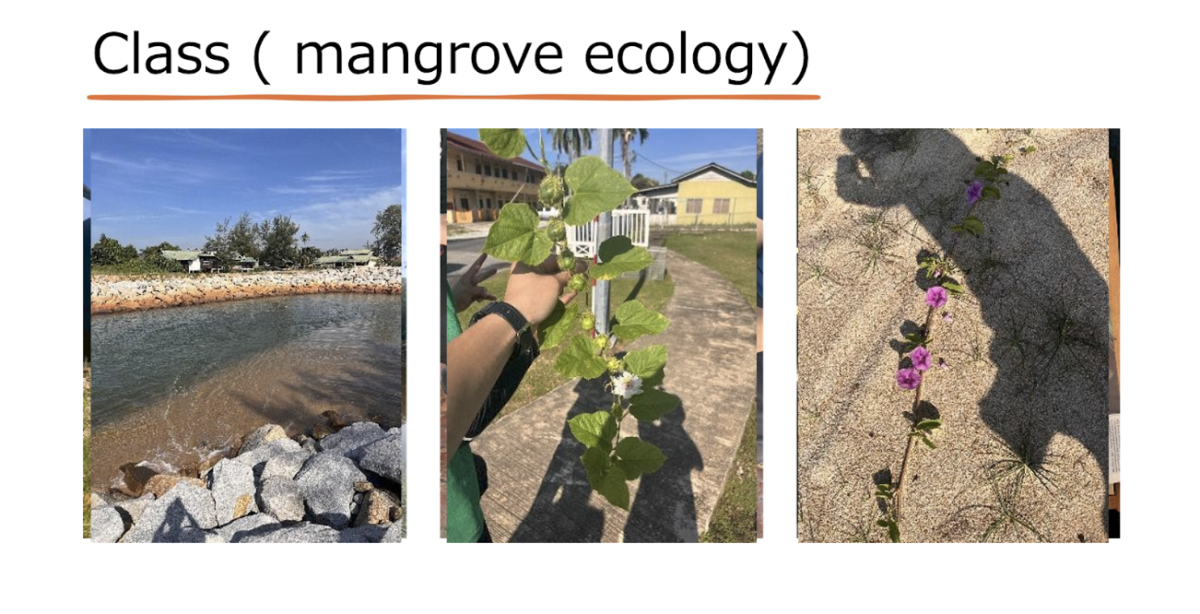
I learned about the ecology of mangroves, which are not very familiar in Japan. It was fascinating to learn about the various strategies mangrove seeds employ—some float and drift before sinking to extend roots into the ground, while others sink immediately and take root. I also learned that mangroves are extremely sensitive plants, requiring a delicate balance between saltwater and freshwater, making salinity critically important.

The university grounds feature various mangrove species, and the professor took us on a field trip. It was fascinating to see the different types and receive detailed explanations about each one.


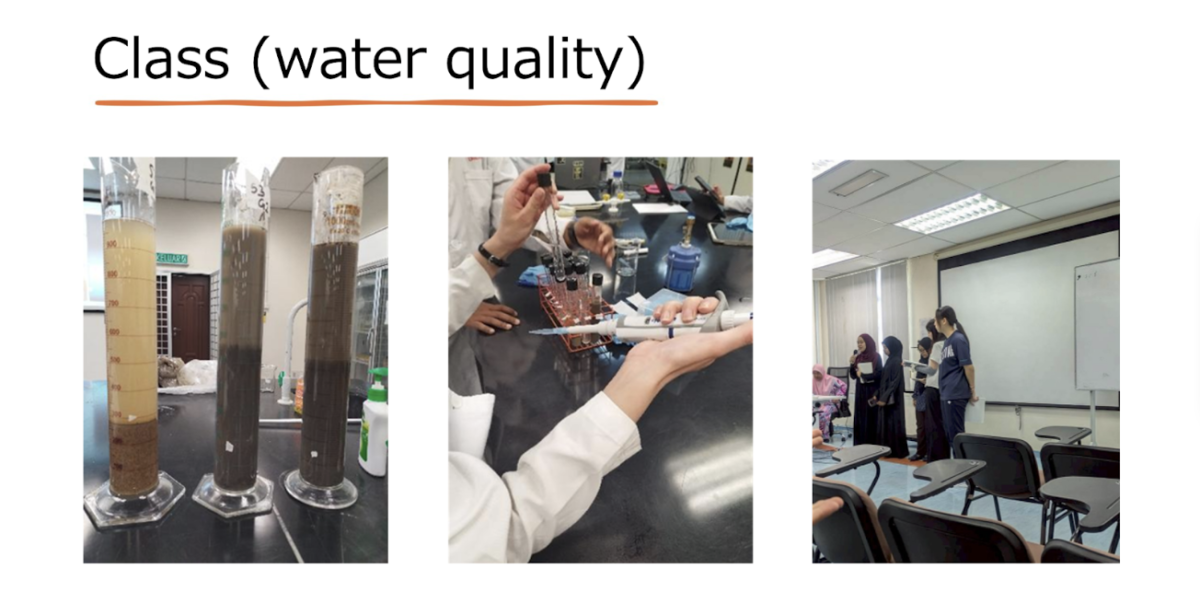
Water Quality Management taught me the key elements for managing water quality, as the name suggests. We learned various methods: physical purification, chemical purification, and purification using bacteria. We also studied effective methods for improving water quality in aquaculture farms. Furthermore, I learned about systems that remove impurities from aquaculture water and reuse it for purposes like vegetable irrigation, preventing waste and enabling nutrient recycling. In Malaysia, where aquaculture is thriving, I learned that improving water quality is an essential process for raising higher-quality farmed fish.


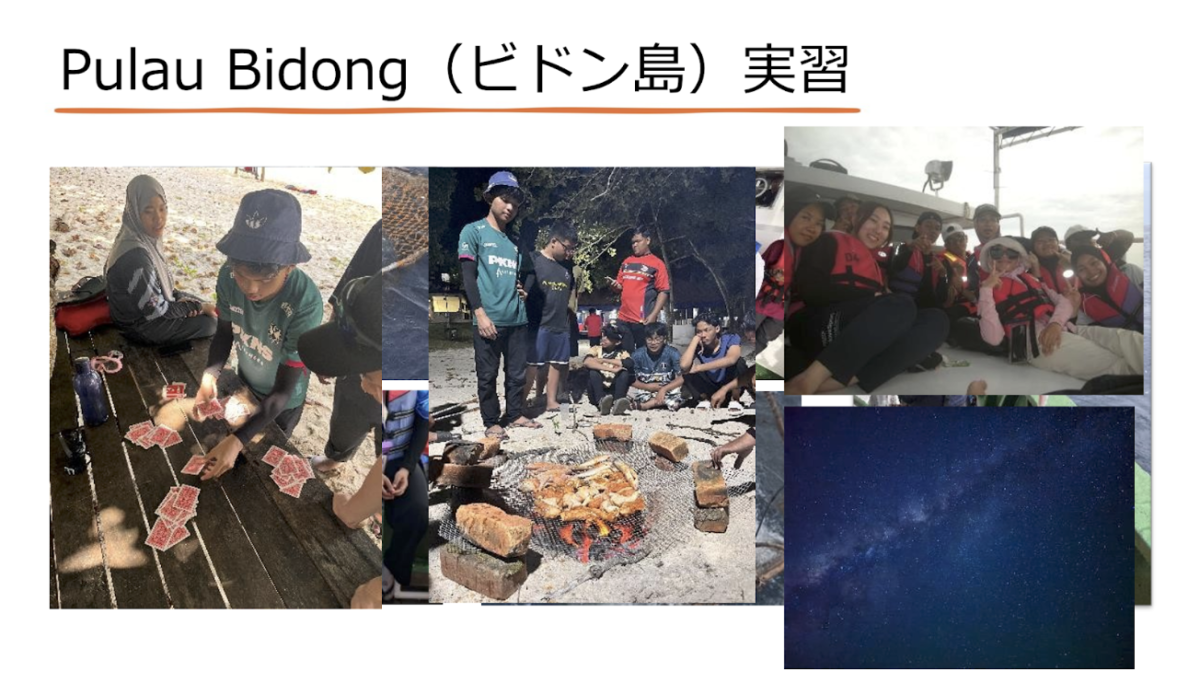
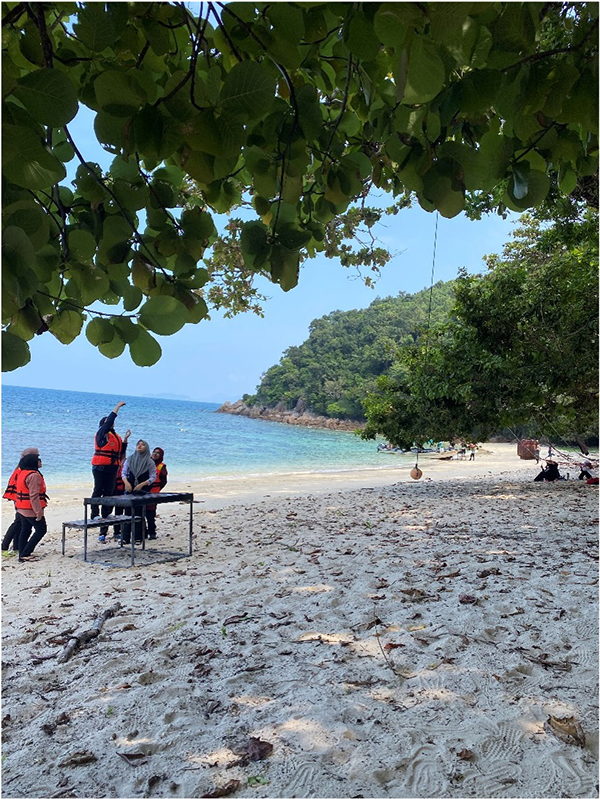
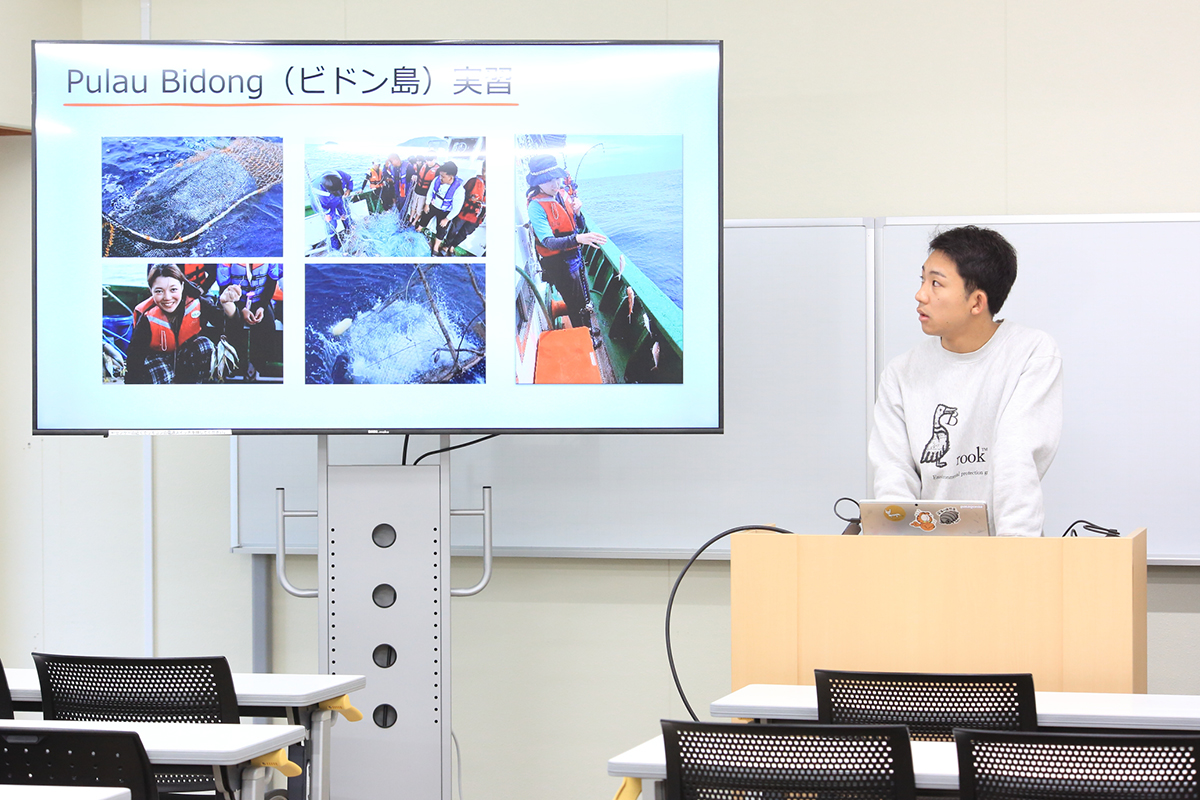
From September 25th to 28th, I went to Bidon Island for field training. On the island, we mainly experienced traditional Malaysian fishing methods. We did trawling, gillnetting, and cage netting. It was interesting to see many fish species rarely seen in Japan. I was surprised that we had to pull up the trawl net by hand. The gillnet got caught on coral or something and came back completely torn.

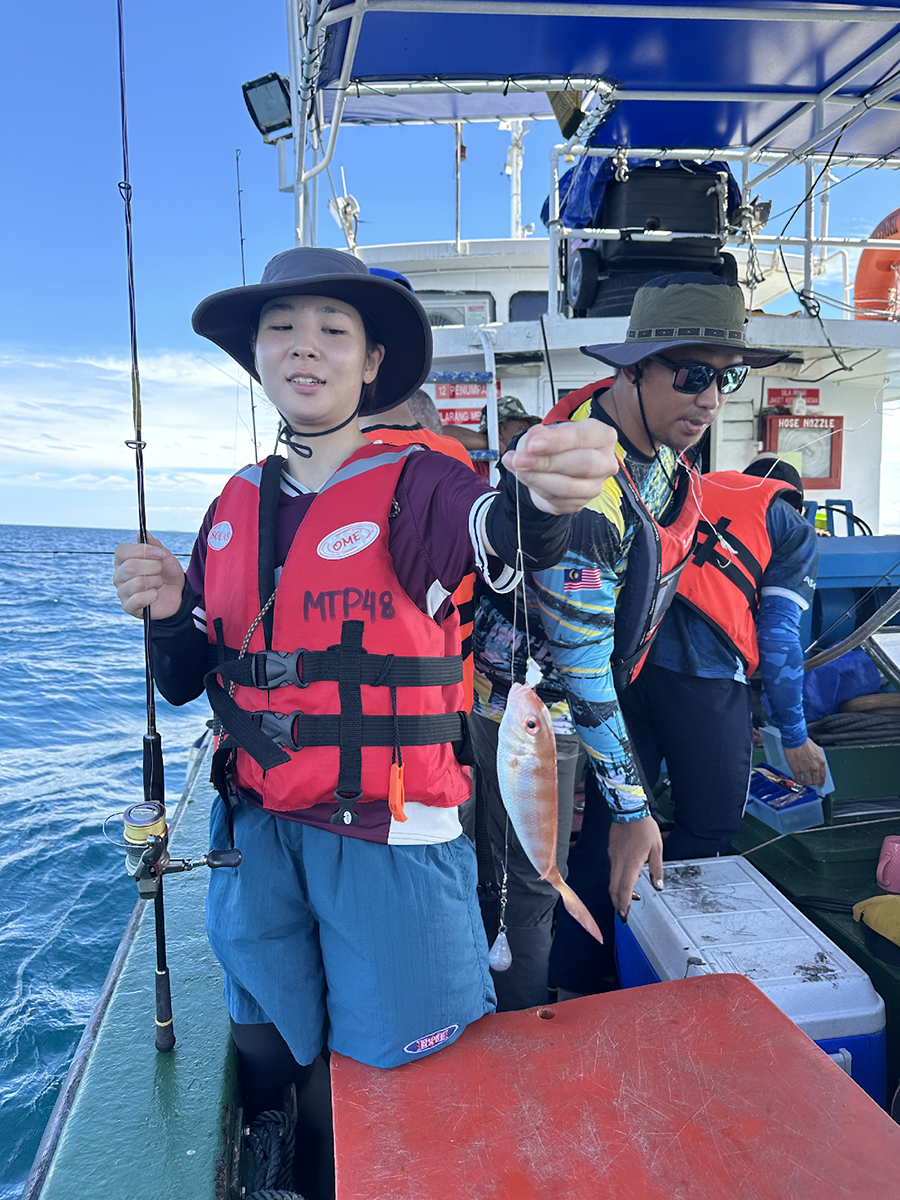
On the island, we enjoyed various activities like sabiki fishing, barbecues, and playing Malaysian card games. Diving into the sea revealed a breathtaking world where beautiful coral and fish coexist, leaving me deeply moved.


I learned about the current state of microplastics and fish
and deepened my research on human activities and the marine environment.


Yui Irie

Faculty of Environmental Science, 2nd Year


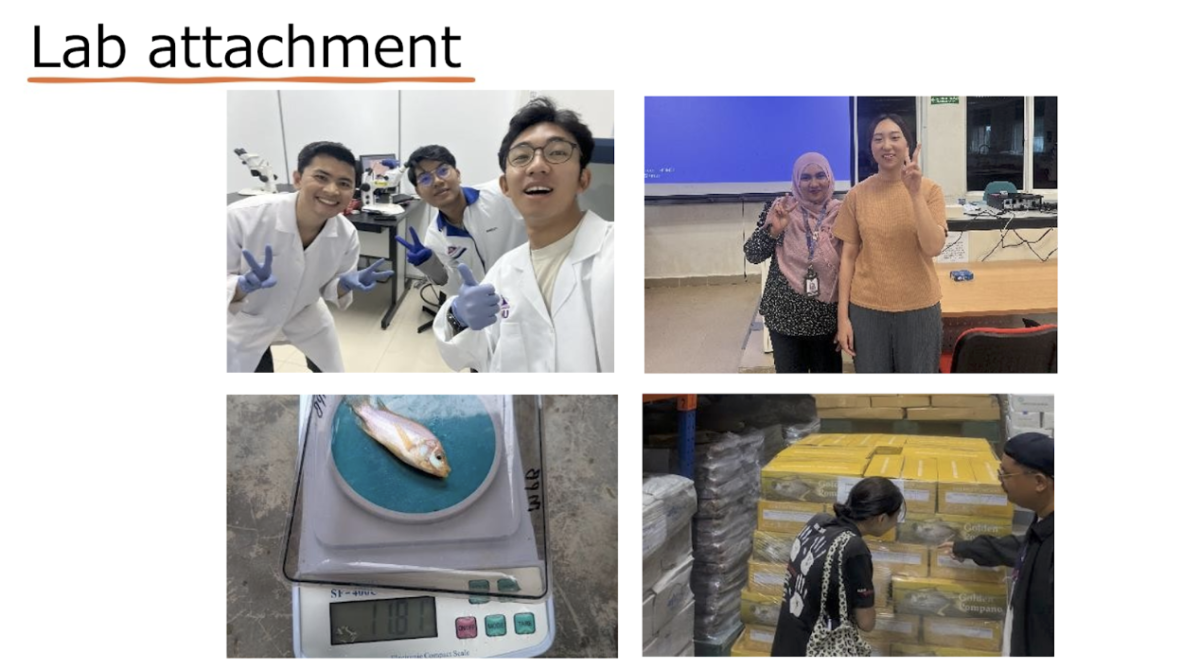
I participated in a lab internship for about a month, researching microplastics embedded within fish muscle tissue. Starting from purchasing fish at the market, I conducted quite thorough research: dissecting them, dissolving the tissue with KOH, filtering the residue, and observing it under a microscope. Microplastics were observed in all fish, clearly demonstrating the impact of human activity on them. Since my graduation research focused on the ingestion of macroplastics, this experience allowed me to gain significantly more knowledge.


Experience the culture of that country
Continue engaging in numerous exchanges
and challenges


Rinna Hayashi

Faculty of Fisheries Sciences, 4th Year


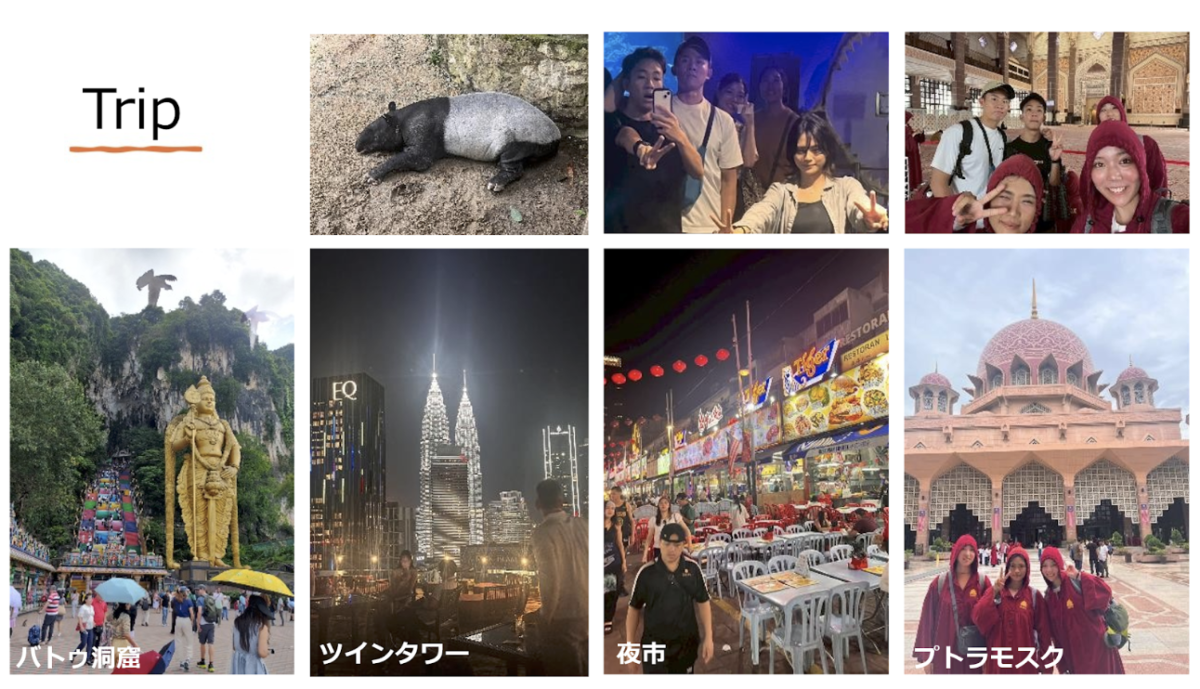
Between classes and research, we all took a trip to Kuala Lumpur. We visited Batu Caves, the zoo, the Twin Towers, night markets, the Putra Mosque (known as the Pink Mosque), the aquarium, Central Market, and Pavilion, a commercial complex. Since Terengganu has a higher proportion of Muslims, we could really feel the diverse Kuala Lumpur society where Hinduism, Buddhism, and various cultures coexist. It was hard to believe that nature-rich Terengganu and structure-filled Kuala Lumpur were truly part of the same country.
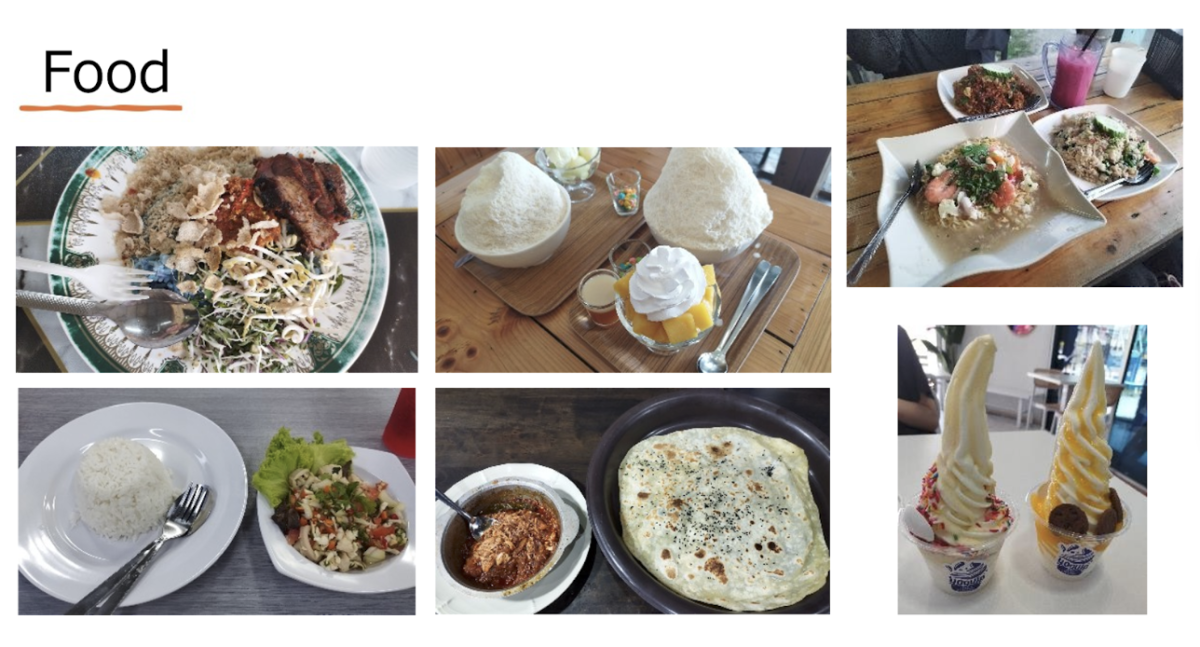


Here’s a list of delicious foods I tried in Malaysia. Nasi goreng comes in so many varieties that I never got bored eating it daily. I also tried shaved ice shops and Arab restaurants, challenging myself with dishes rarely found in Japan. Since Malaysian food tends to be quite spicy, I think they balance it out with the sweetness of their drinks.
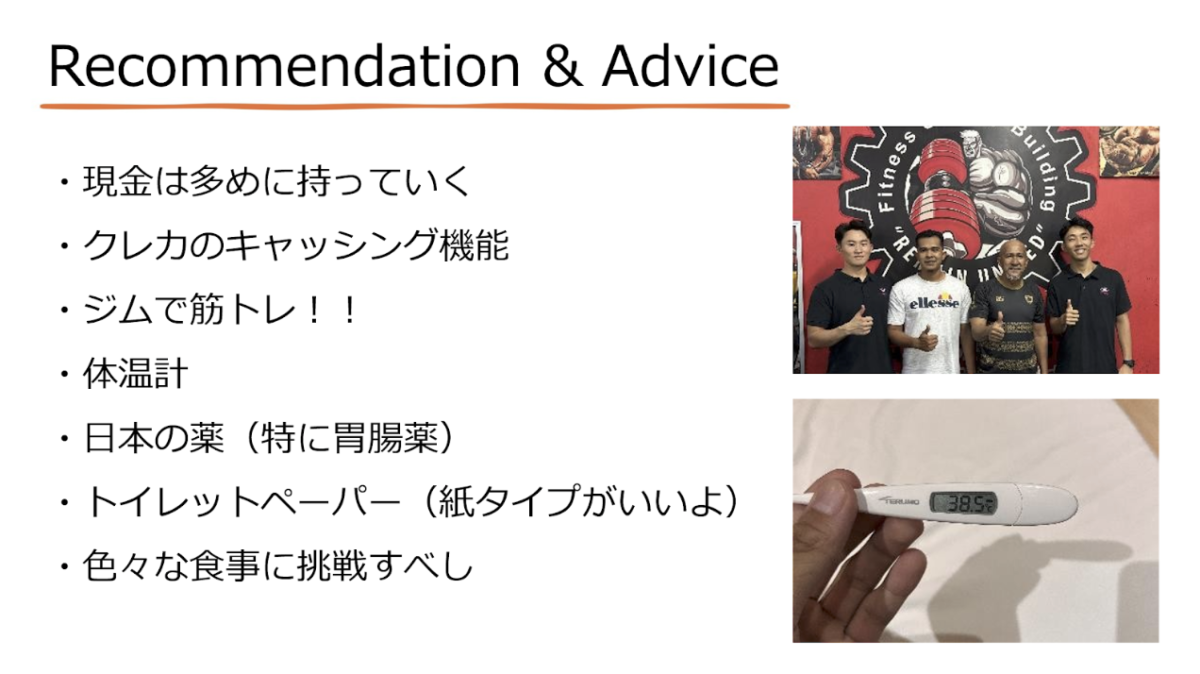


Research is important, of course, but when you visit a foreign country, be sure to immerse yourself in its culture—try new flavors, ingredients, and everything else! Keep challenging yourself!


【Studied at Pukyong National University for about 4 months】

Internship Period: August 29, 2025 to December 20, 2025


The biggest change within myself
is my attitude of tackling things head-on without hesitation.
I am grateful for all the encounters.
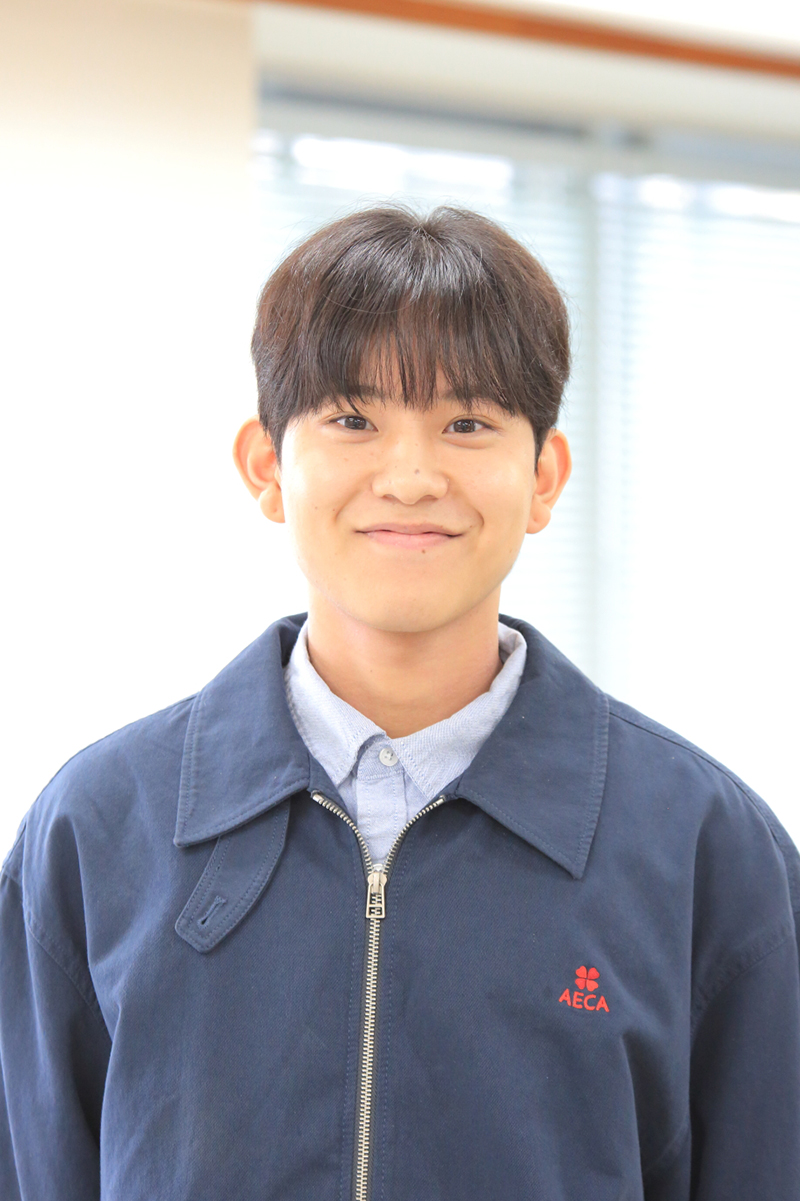


Tanaka Zenta

Faculty of Fisheries Sciences 3rd Year, Marine Future Creation Course
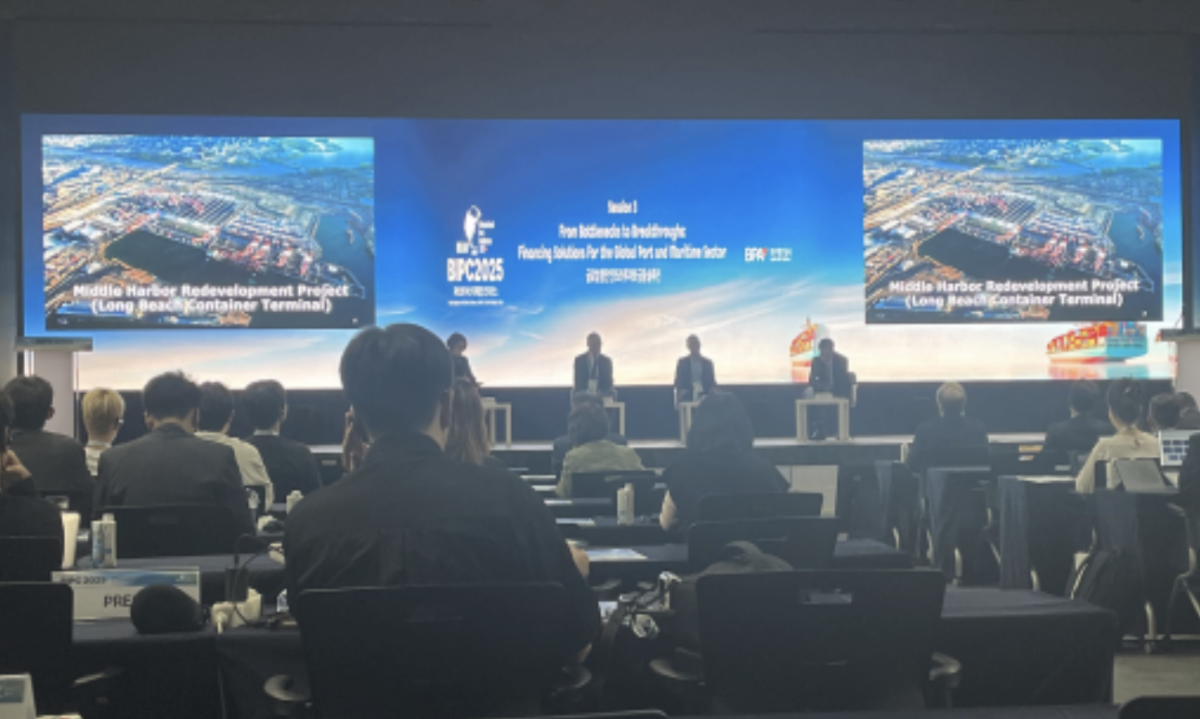


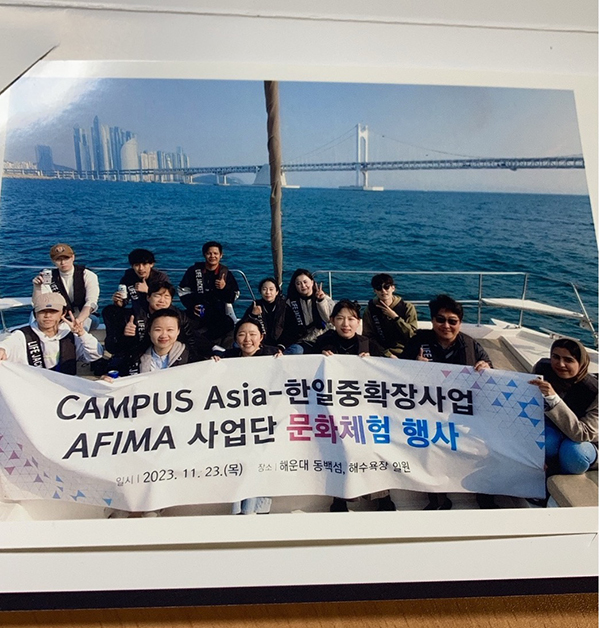
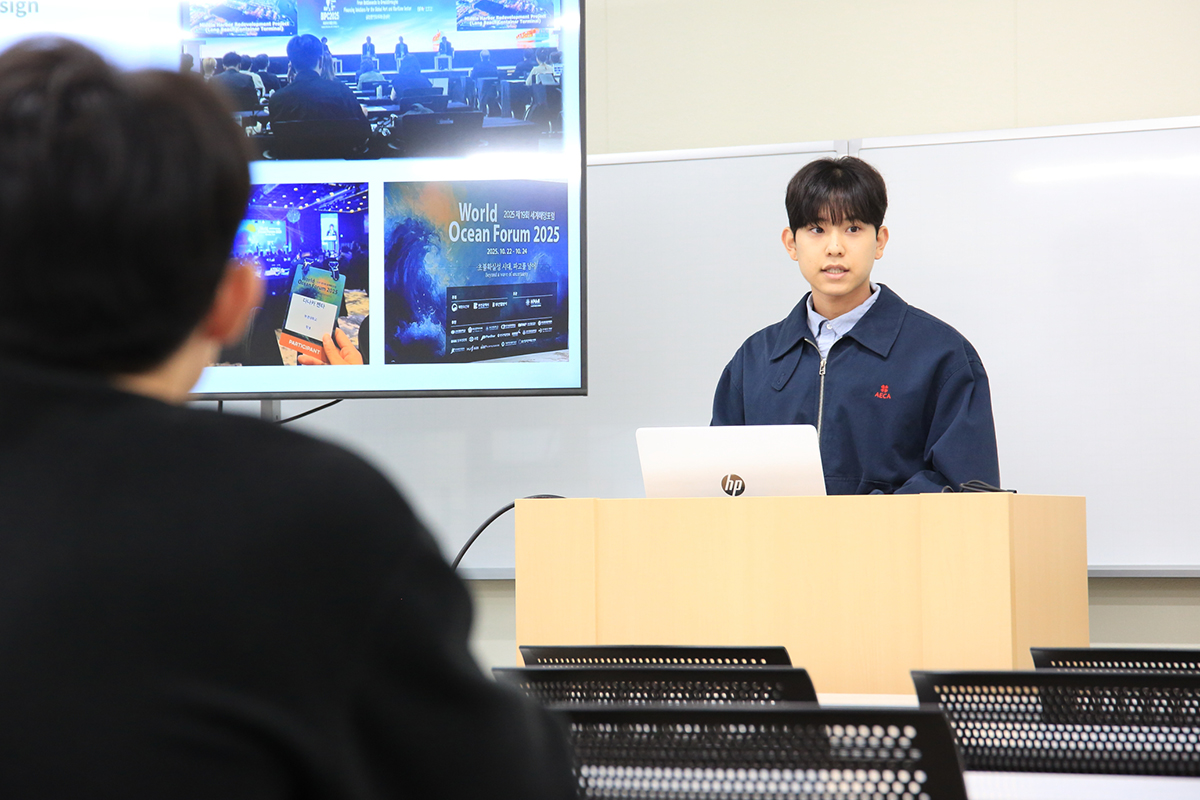
In the Capstone Design course I participated in, we independently identified challenges within the marine and fisheries sector, developed solutions through repeated team discussions, and ultimately presented our findings. We also had opportunities to participate in international events, present team projects, and engage in cultural exchange. Beyond specialized knowledge, collaborating with students from diverse backgrounds made me keenly aware of differences in how we approached problems and conducted discussions. What particularly stood out was the importance of holding your own opinions while simultaneously striving to understand others’ perspectives. This course made me appreciate the value of learning in an international setting, even more than the specialized knowledge gained.
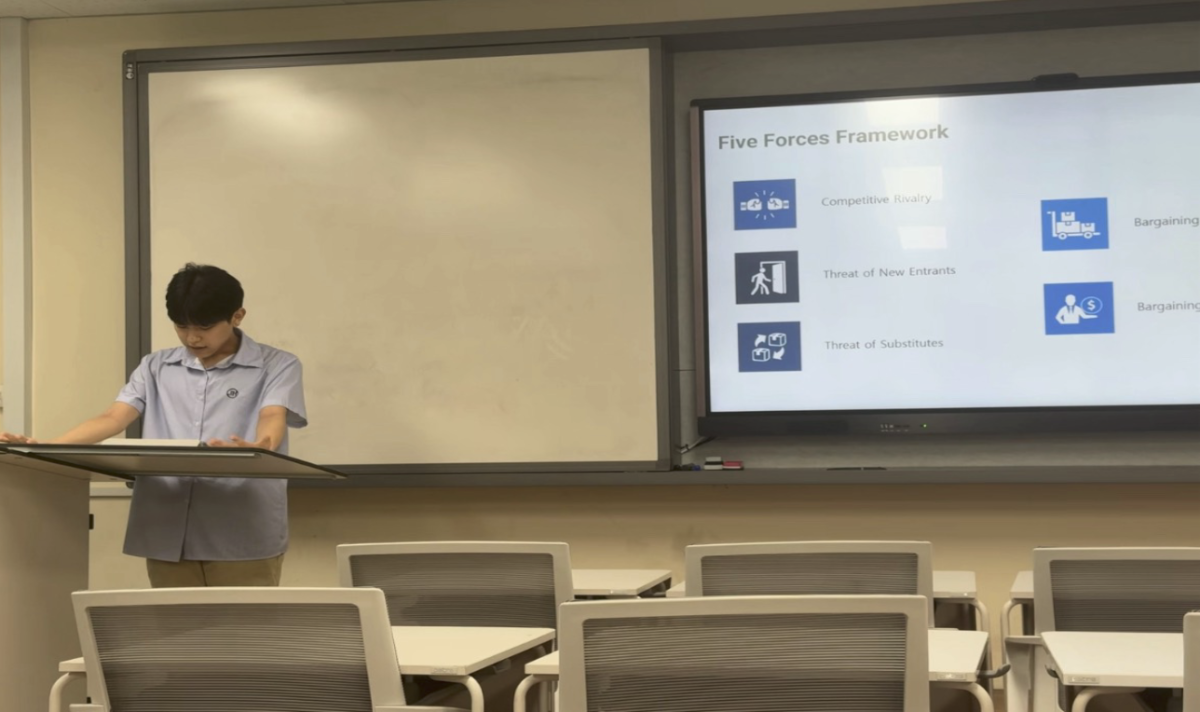
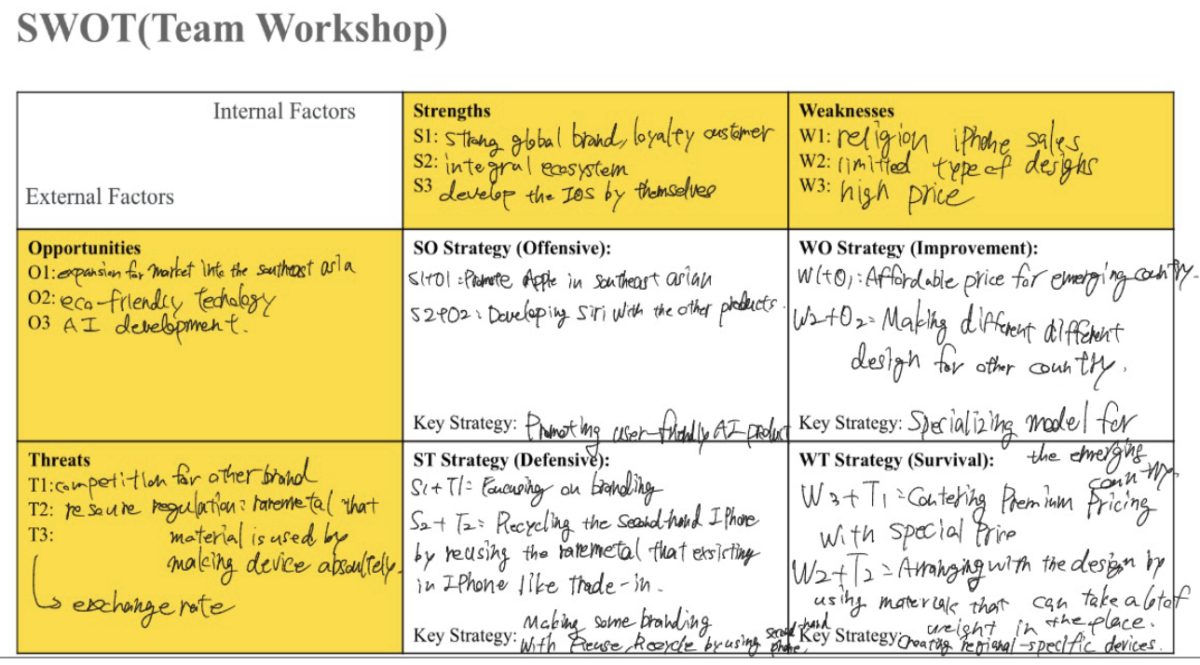


In “Sustainable Fisheries Market Theory,” I learned about approaches to developing, processing, and distributing not only seafood but all food products to stimulate consumer purchasing motivation. Particularly, the content covering marketing strategies in seafood distribution and international market trends sparked a deeper interest in my specialty, fisheries economics. Furthermore, as this course was conducted in English, presenting in English and exchanging opinions with multinational students made me keenly aware of both the difficulty and importance of articulating my thoughts. It was not just learning the theory, but the very process of communicating it to others that became a significant learning experience.
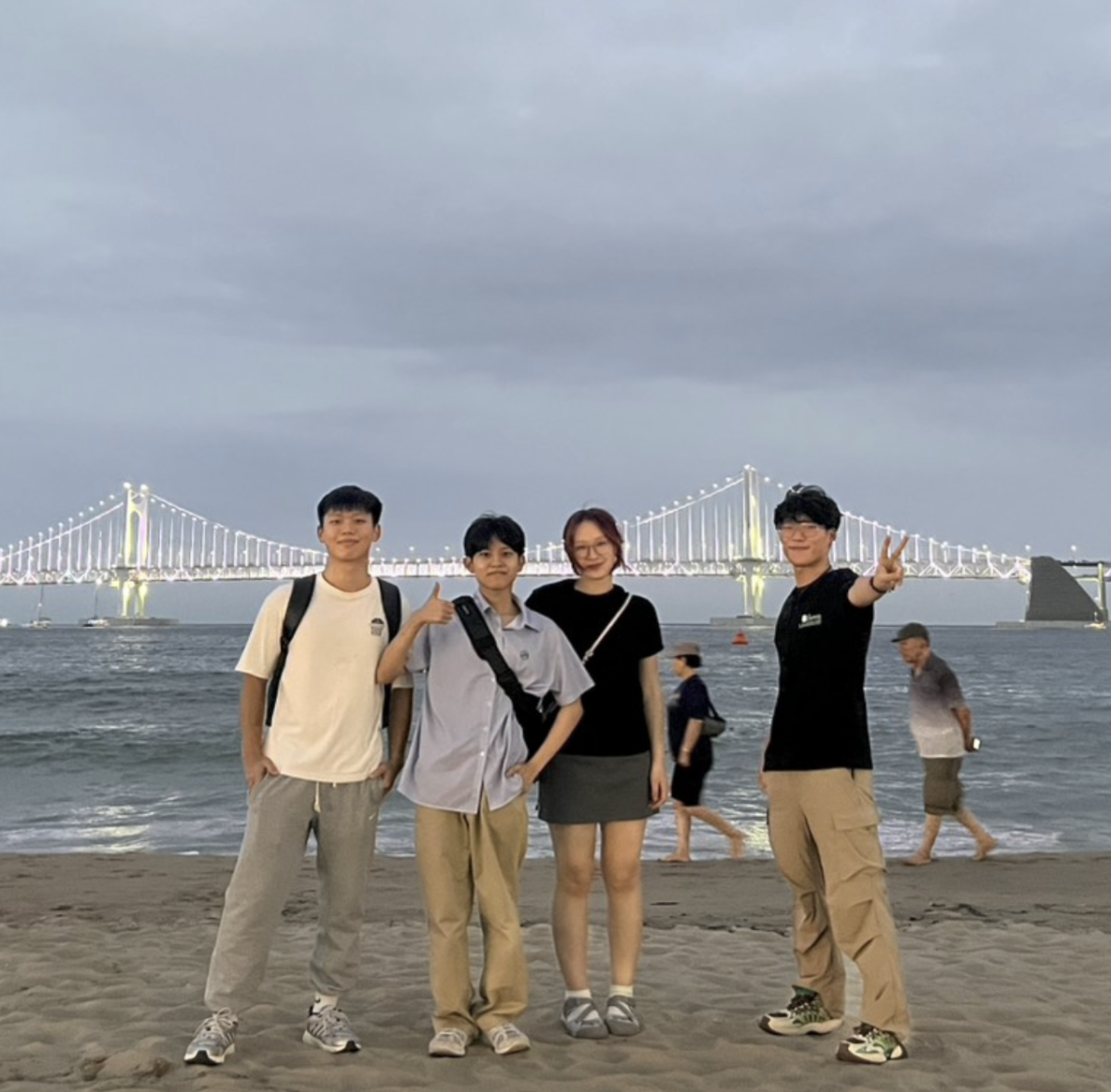
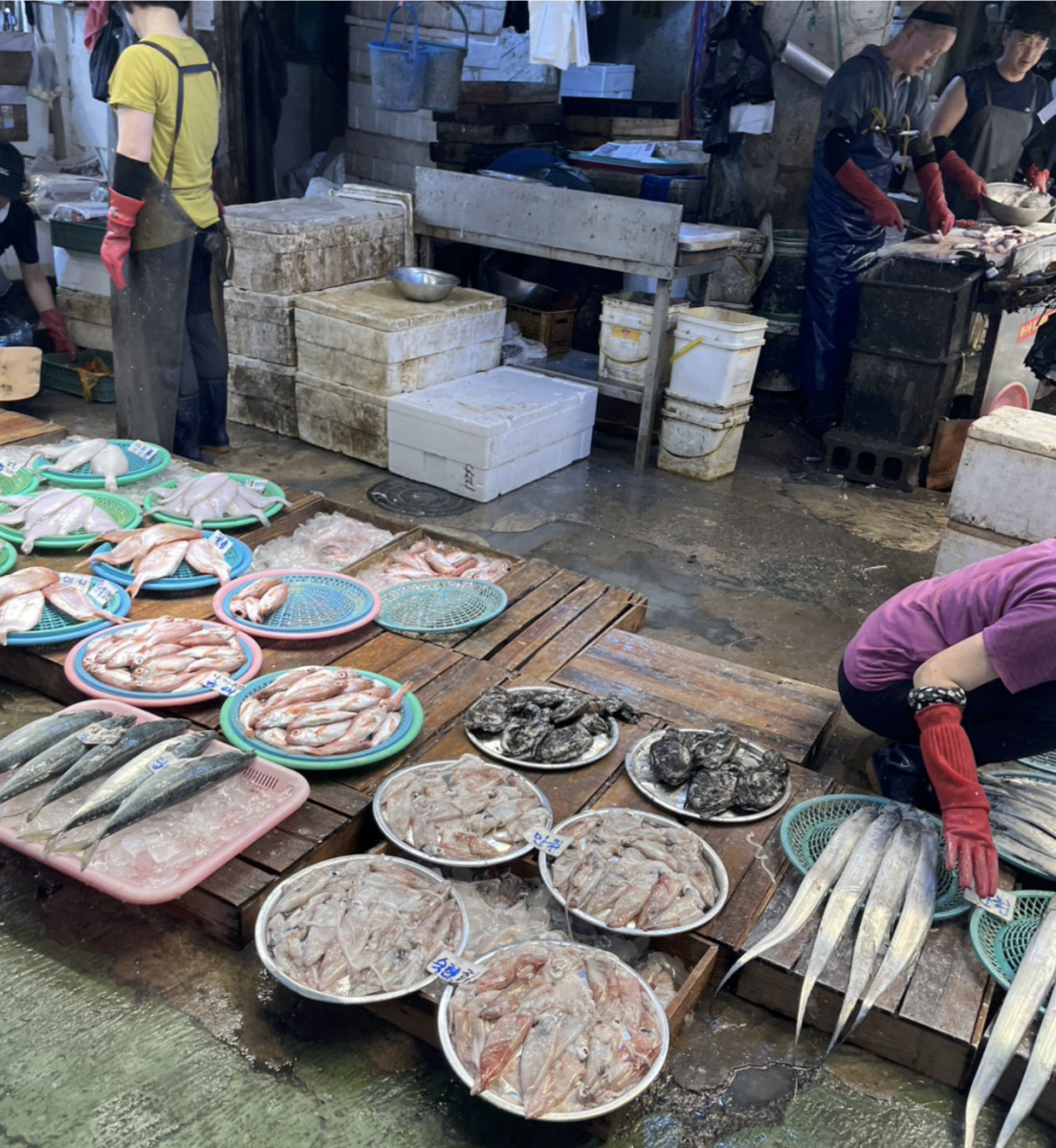


In addition to courses related to fisheries, I also took Korean language classes and cross-cultural understanding courses offered for international students. Furthermore, in the aquaculture course offered for Korean students, I struggled with its fast pace and difficulty level, but I felt I was able to gain a deep understanding of the differences in target fish species and aquaculture methods compared to Japan.


Even within the same field of fisheries science, the way it is approached, discussed, and the distance from the field varies by country and region. I felt it was important to share these differences, respect the other party’s perspective while conveying my own opinions, and find common ground within that process. I feel I have developed the mindset to pause and reconsider how ideas and assumptions I took for granted in Japan behave and influence others when they originate from me.


【What I Learned】

Differences from Japan: More team projects, greater emphasis on output and input.

Advancing while sharing one’s own thoughts and perspective.

Acquired a multifaceted perspective on the relationship between consumption and demand.

Gained experience applying theories and systems learned in Japan to different contexts.

Recognized that my specialized knowledge remains fragmented.

Realized the necessity of integrating theory with practice, and numbers with people, to achieve understanding.
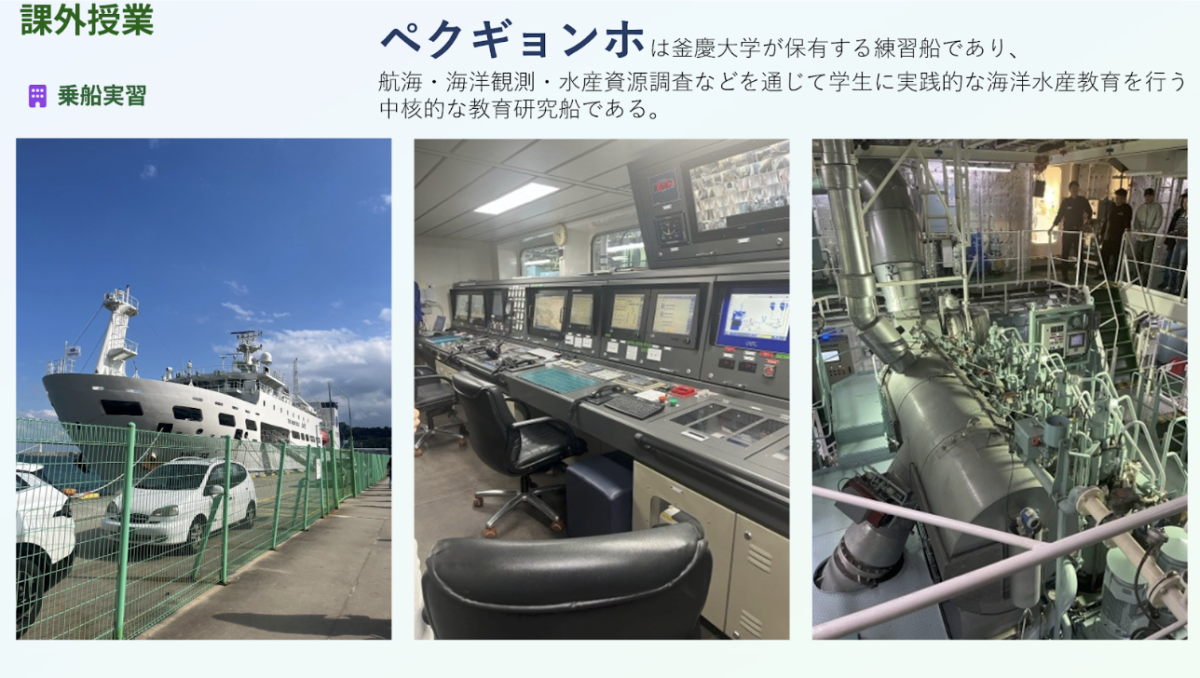


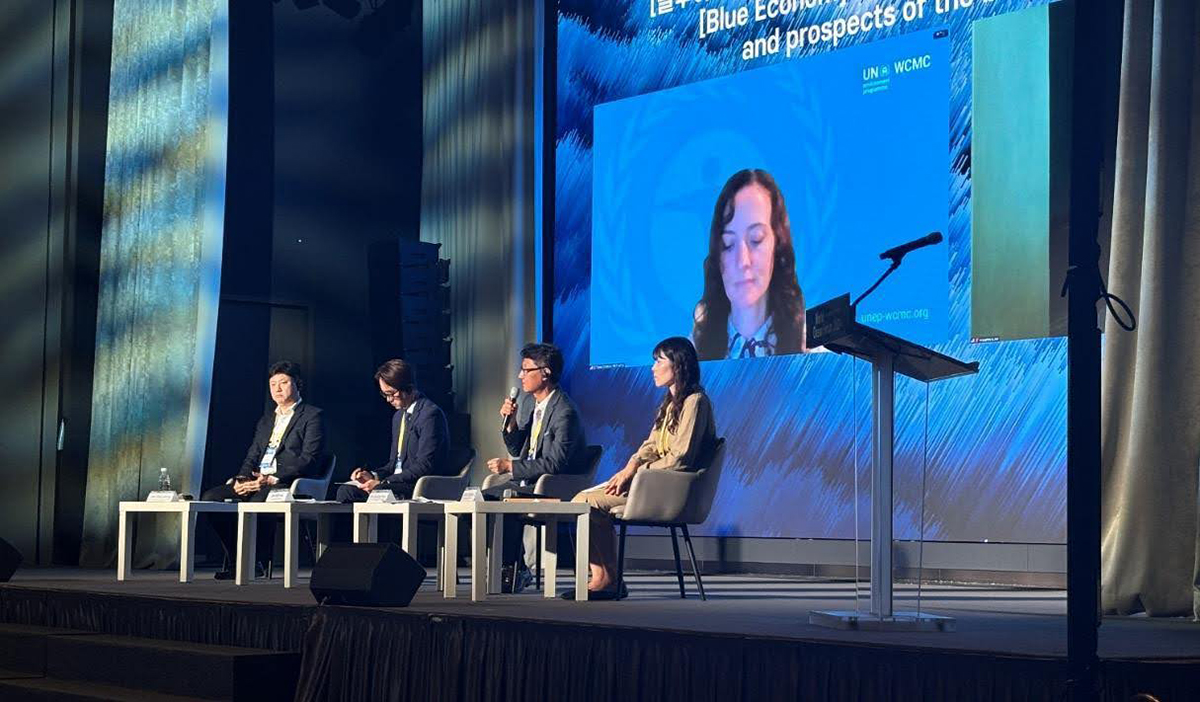
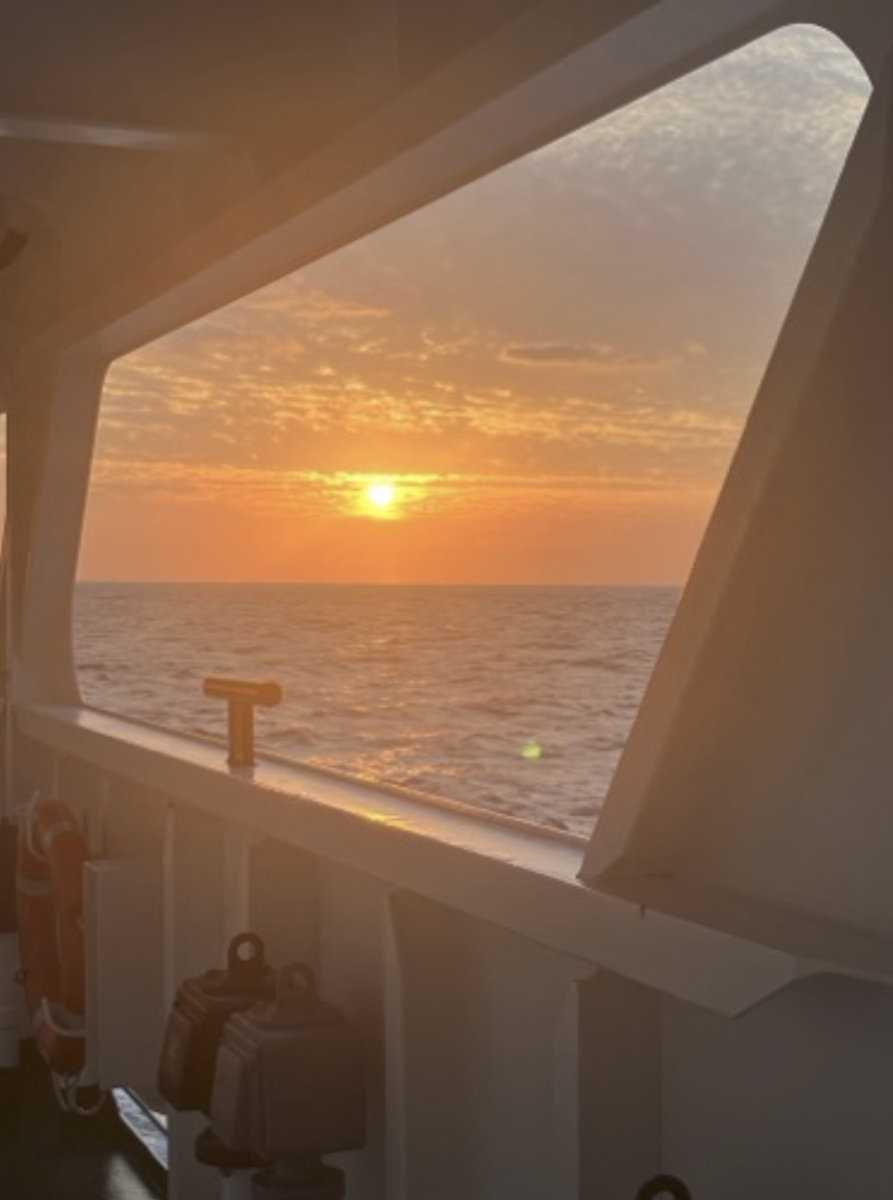
I participated in a boarding training program and stayed on Jeju Island for a week. We used the training ship Baekgyeongho, owned by Pukyong National University. It was larger and far more impressive than the Nagasakimaru. The onboard orientation was extremely valuable, starting with a tour of the engine room and a talk by the chief engineer, followed by discussions with the navigators on deck.
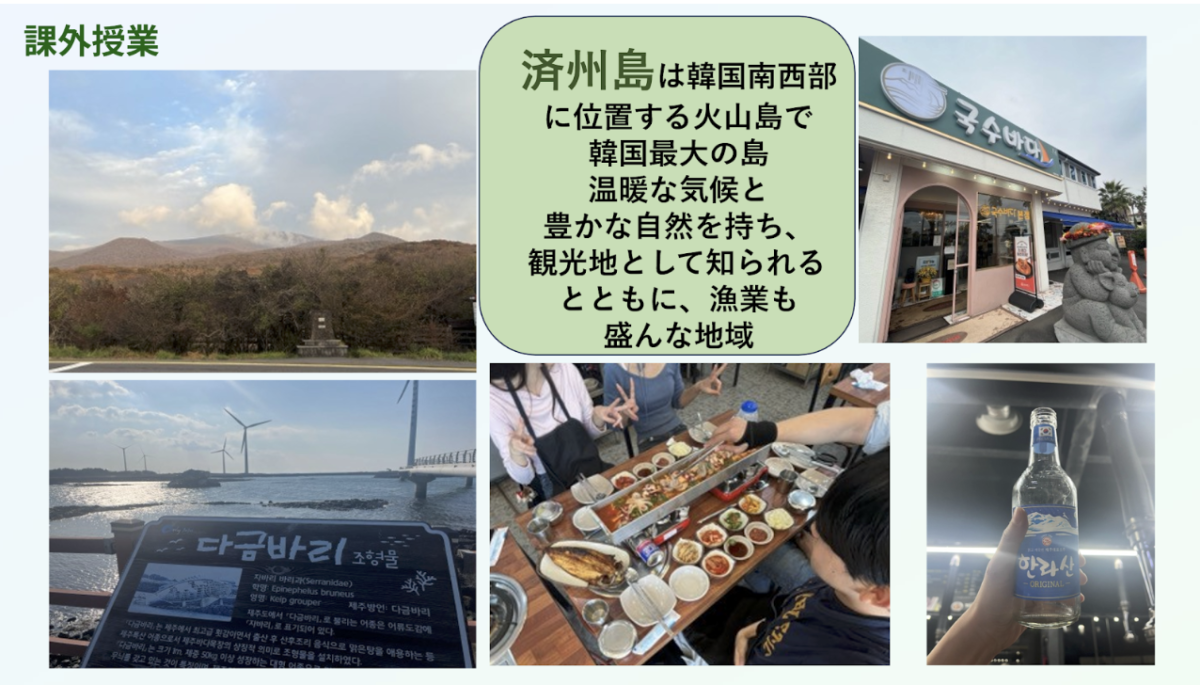


On board, I was the only Japanese person, so all conversations were conducted in Korean or English. My roommates were all kind, and even though communication wasn’t always smooth, I managed to have a good time. Jeju Island is located south of mainland Korea. It’s characterized by natural landscapes formed by volcanic activity and a unique lifestyle surrounded by the sea. It has a slightly different atmosphere and regional character compared to the mainland. Experiencing firsthand how culture and daily rhythms differ even within Korea, depending on the region, was also memorable. After disembarking, we split into groups to tour famous sights, sample local specialties like Hallasan soju (a Jeju-born soju), hairtail fish, and black pork. We also visited the Korea Fisheries Resources Agency and toured a wind power plant alongside the staff. On the final day, we watched short videos produced by each group and held an exchange meeting, making it a truly meaningful onboard training experience.
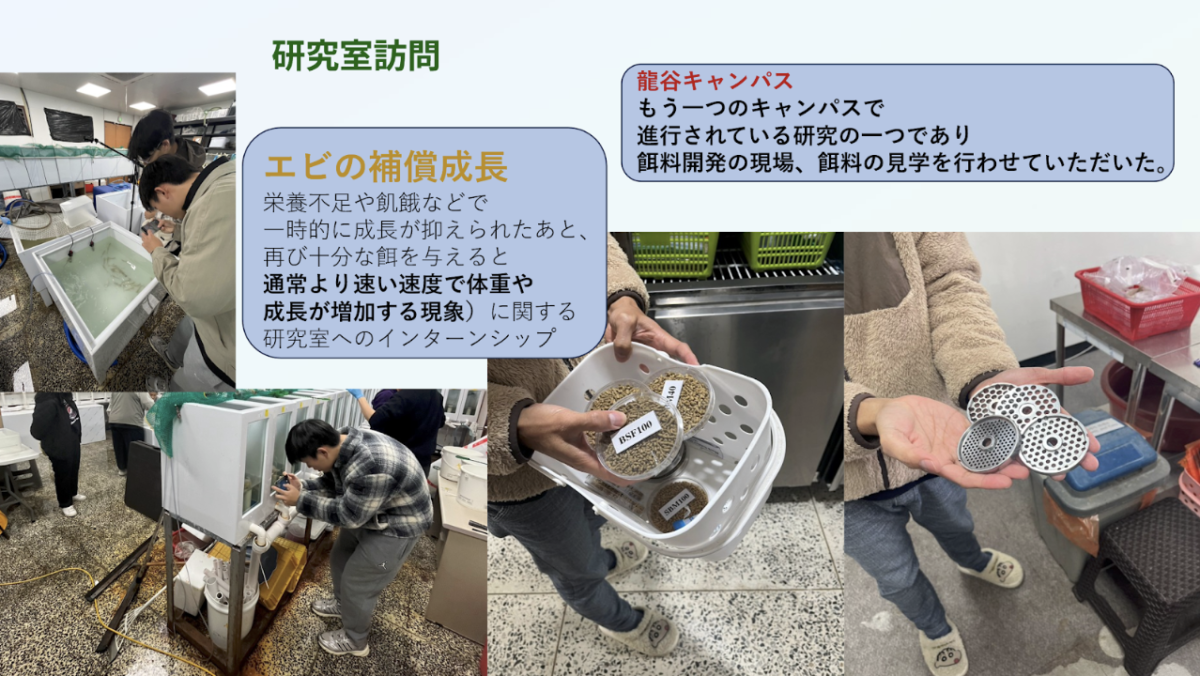


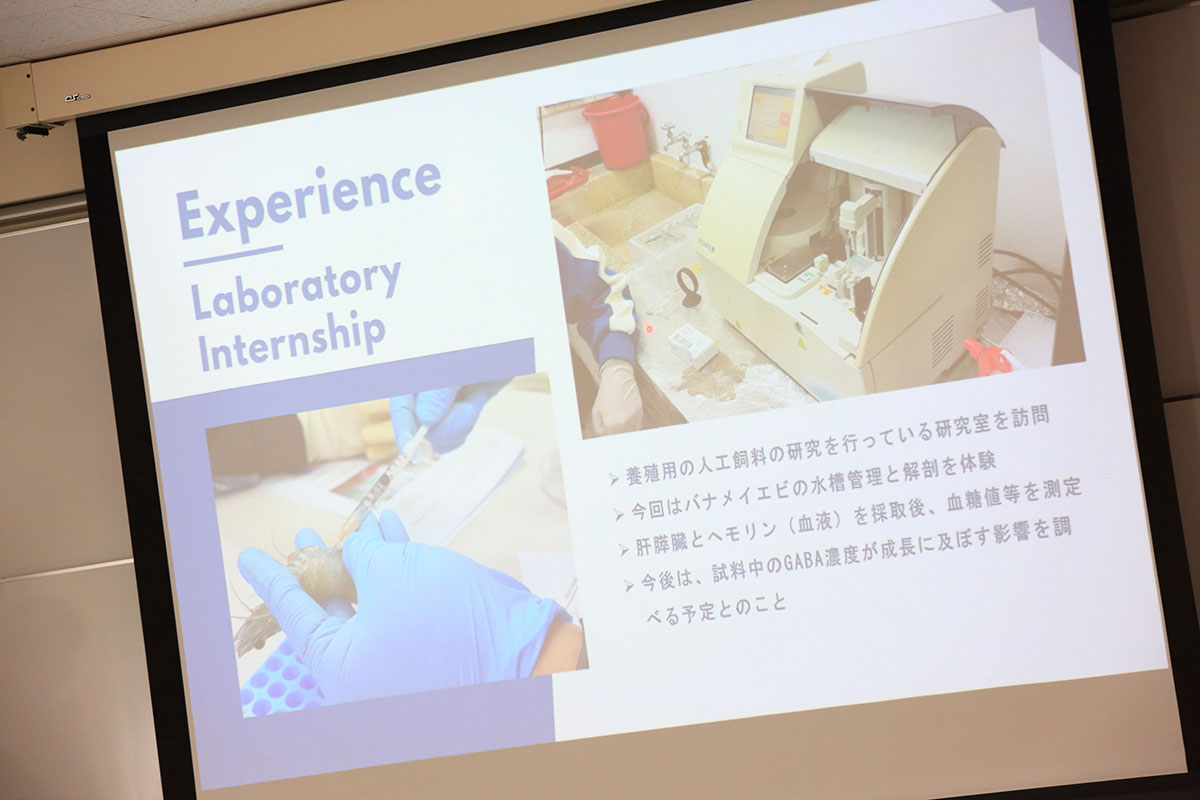
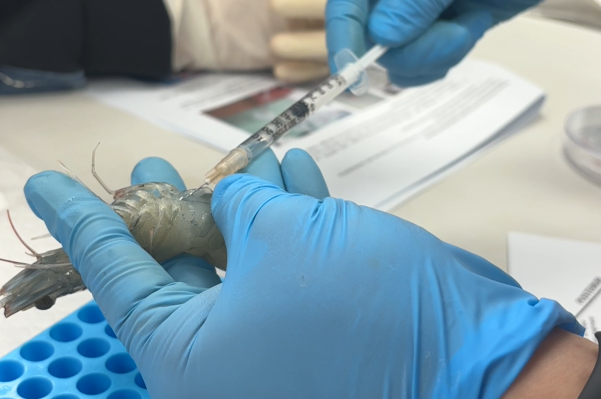
For one week, I had the opportunity to intern at a laboratory at Pukyong National University. This lab was conducting experiments on compensatory growth in shrimp. My activities began with basic tasks like water quality testing and progressed to experiencing dissections of organs related to compensatory growth. Additionally, at the university’s other campus, Yongguk Campus, I observed the development of feed formulations. Being in my third year, this experience allowed me to see how overseas laboratories operate and gave me a tangible sense of what concrete research entails.
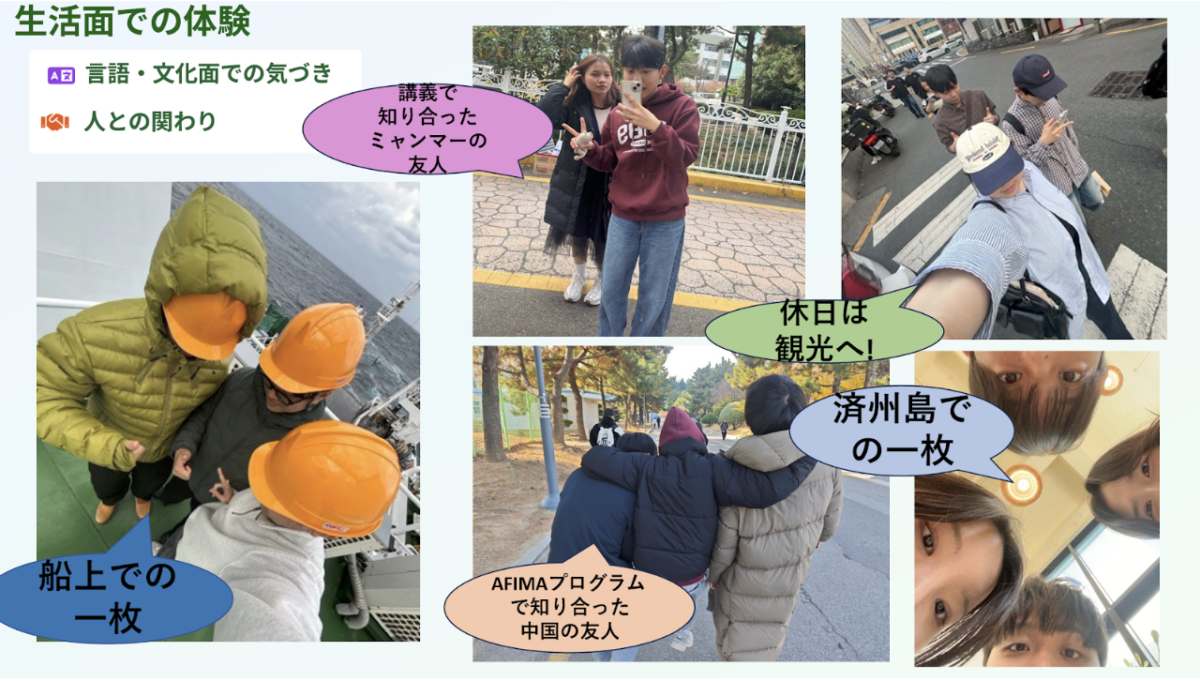


In daily life, what I felt most strongly was my language growth. Especially in Korean, expressions appropriate to the relationship with the other person and the situation are crucial; simply being grammatically correct isn’t enough. I feel that the accumulation of daily shopping, commuting, and simple interactions gradually deepened my understanding of the language. I also interacted with people from China, Malaysia, Myanmar, and Europe. What proved universally important was “having your own thoughts” and “the attitude of trying to listen to the other person.” Being overly talkative wasn’t always the right approach; often, the very act of trying to understand the other person’s intentions fostered trust. It wasn’t just the lectures; sharing meals, hanging out together—each of those moments became something new and irreplaceable within me.


Through this study abroad experience, I believe the most significant change within myself was developing a mindset to take on challenges without hesitation. I repeatedly experienced that moving forward with only a vague understanding, not just in language or specialized fields but also in daily life, inevitably led to getting stuck somewhere. Therefore, when faced with something I don’t understand or want to try, I’ve developed the resolve to take action if I feel motivated, even if it’s difficult. On the other hand, many challenges remain.

In particular, my ability to accurately explain specialized content in a foreign language is still not sufficient. Moving forward, I believe it is essential to deepen both my language skills and my specialized knowledge simultaneously, without separating them.

In my future studies, I aim to solidify my foundation in fisheries science while also pursuing interdisciplinary learning in fields like economics and regional policy.

Leveraging the perspectives gained from this study abroad experience, I wish to reexamine fisheries in a way that bridges Japan and Korea, or connects regional communities with the international community.

I extend my deepest gratitude to the professors who provided me with this invaluable experience.

Thank you very much.
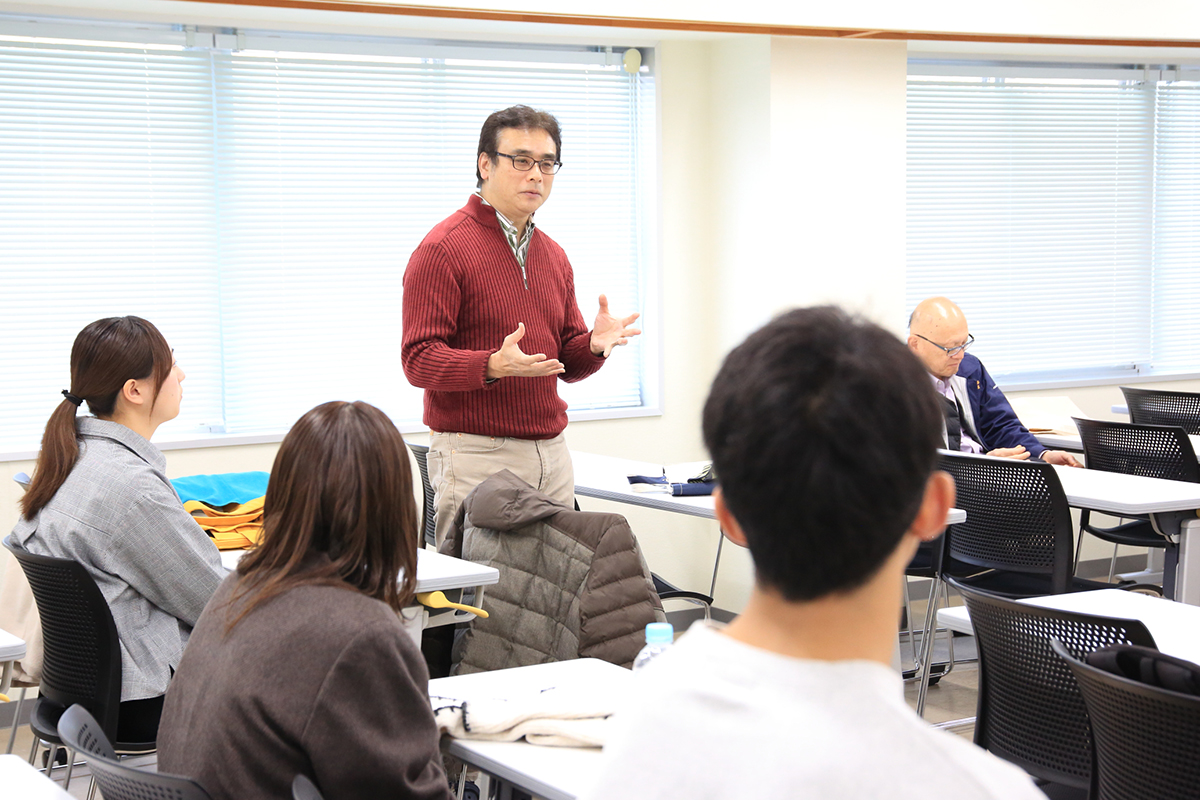


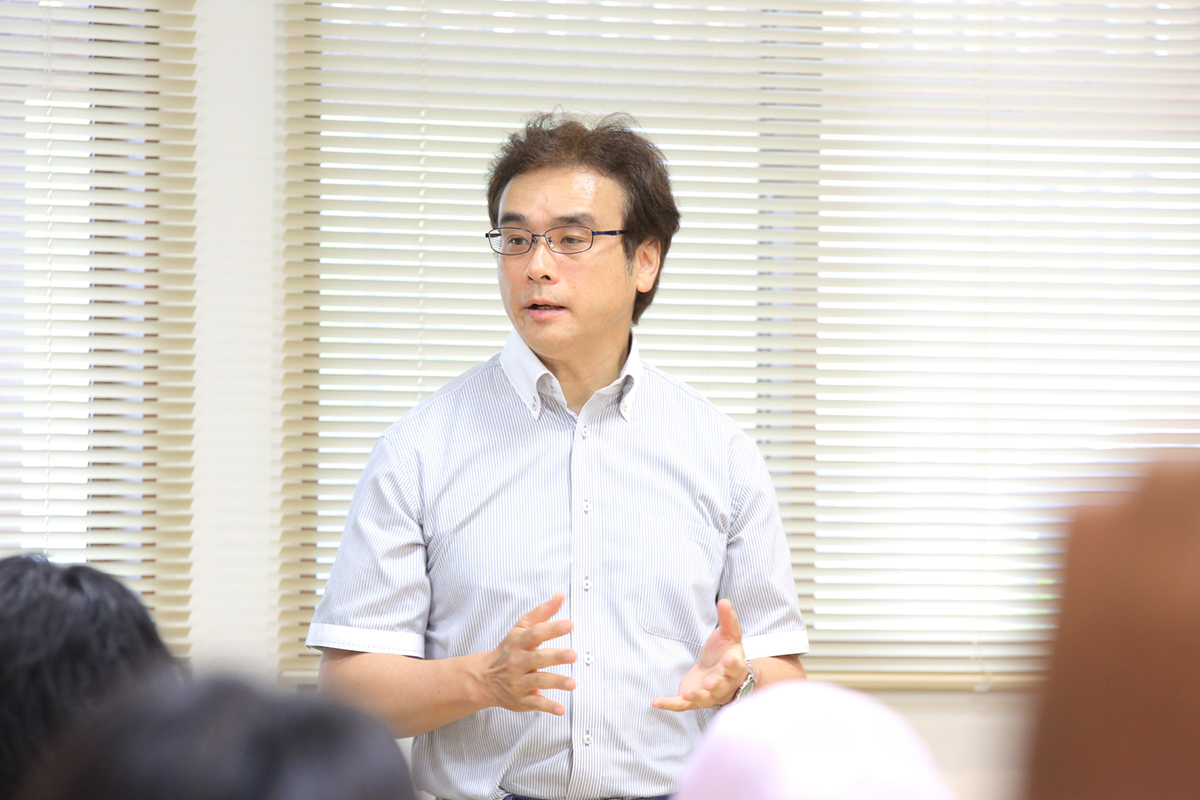
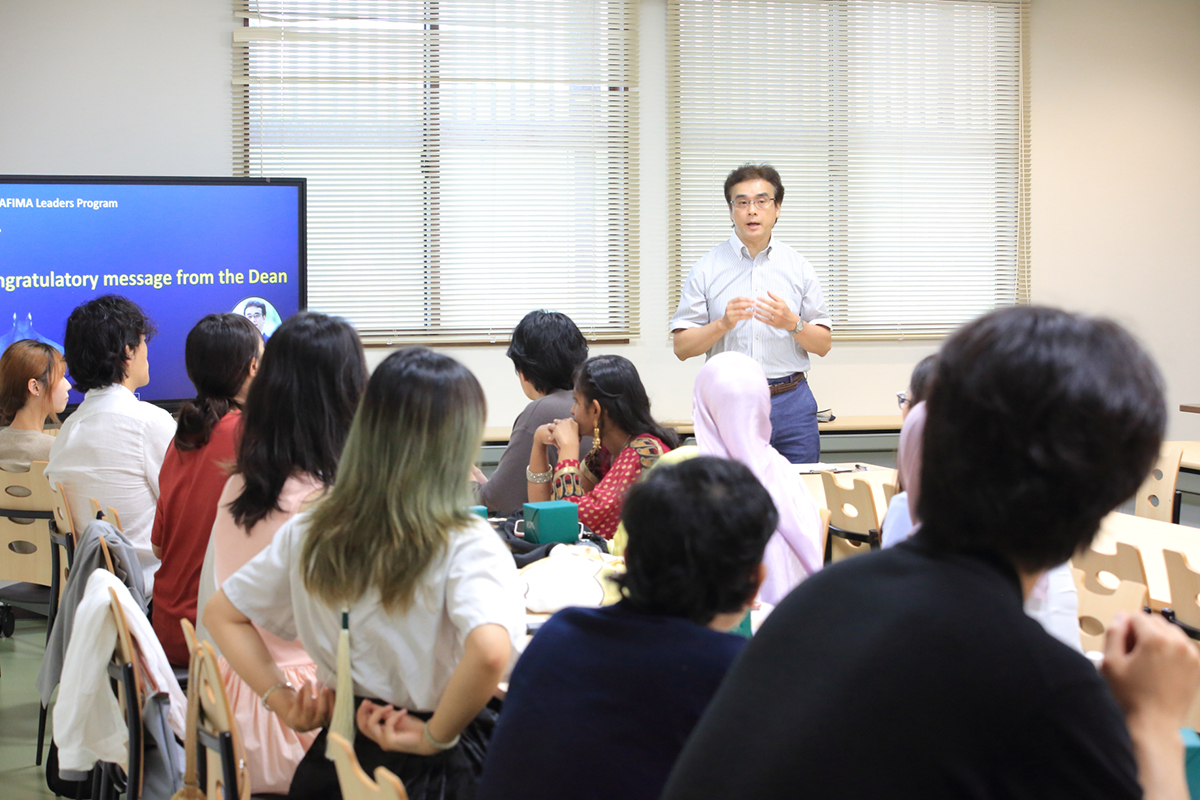
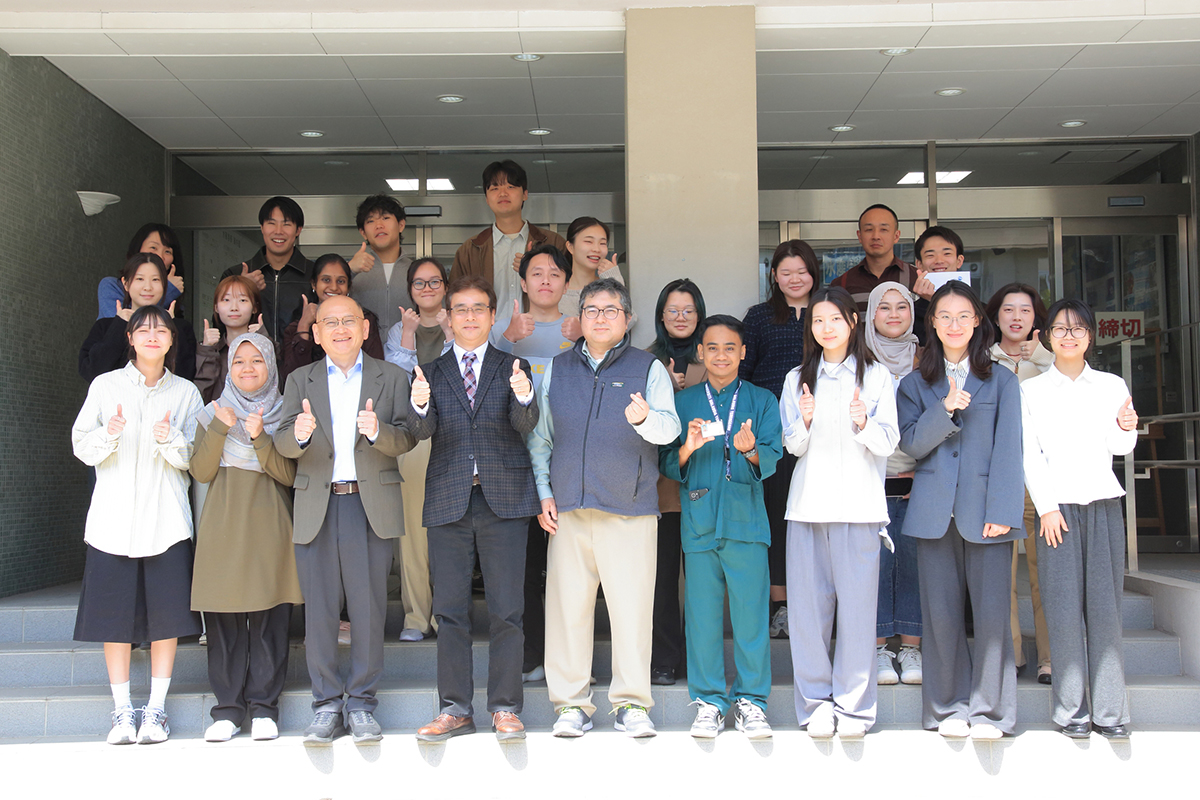
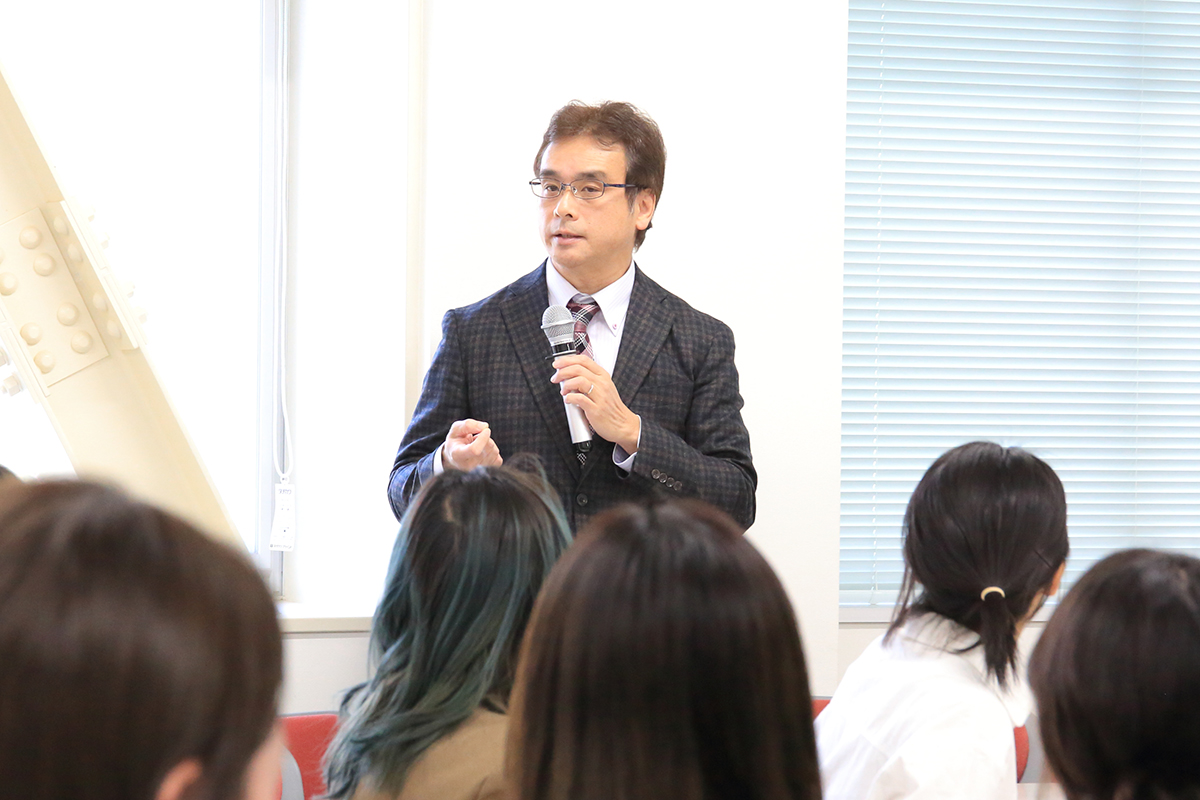
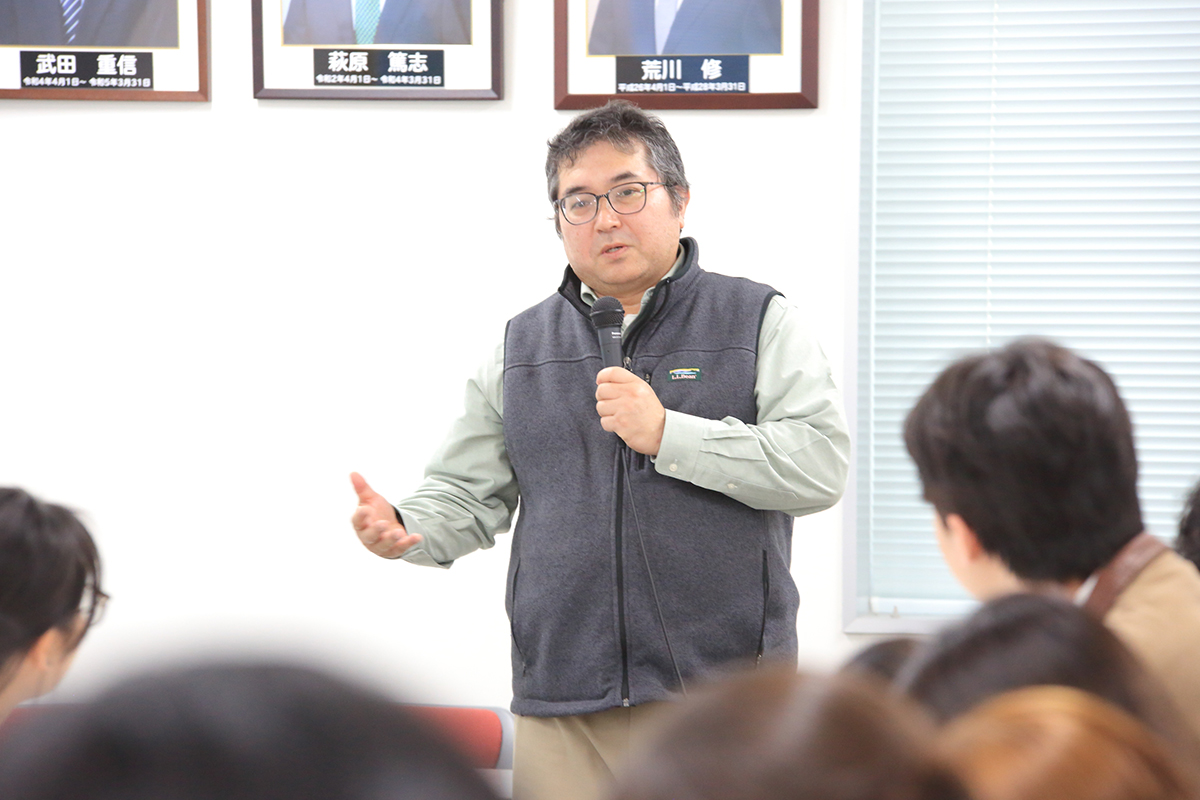
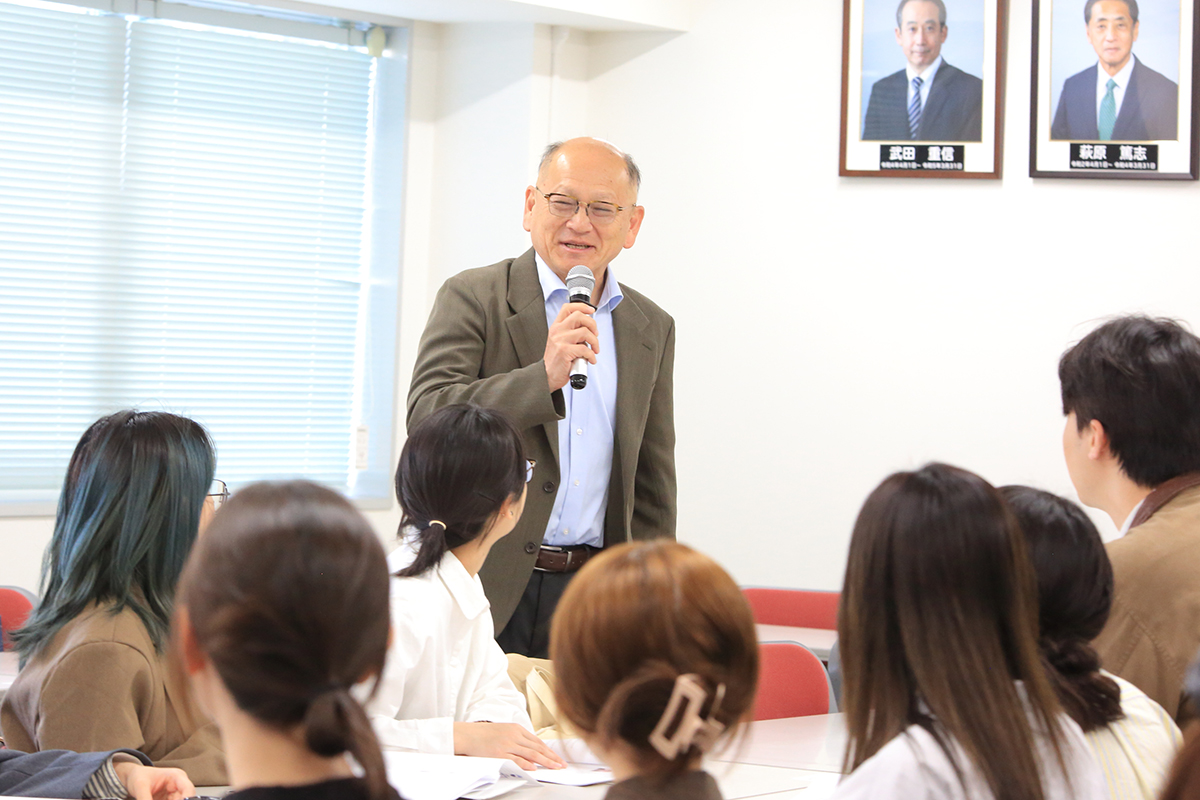
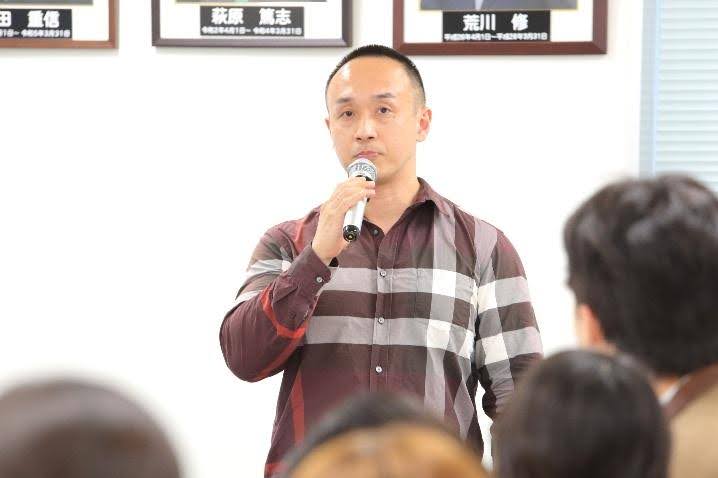
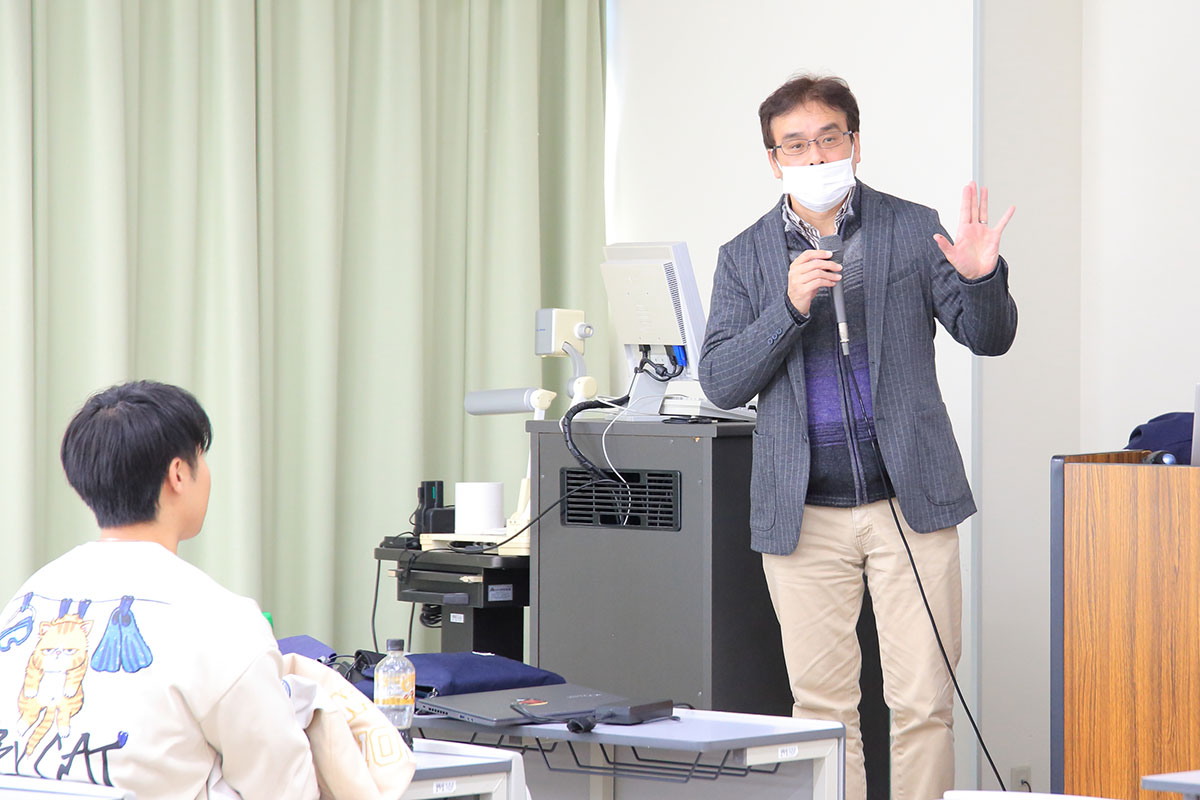
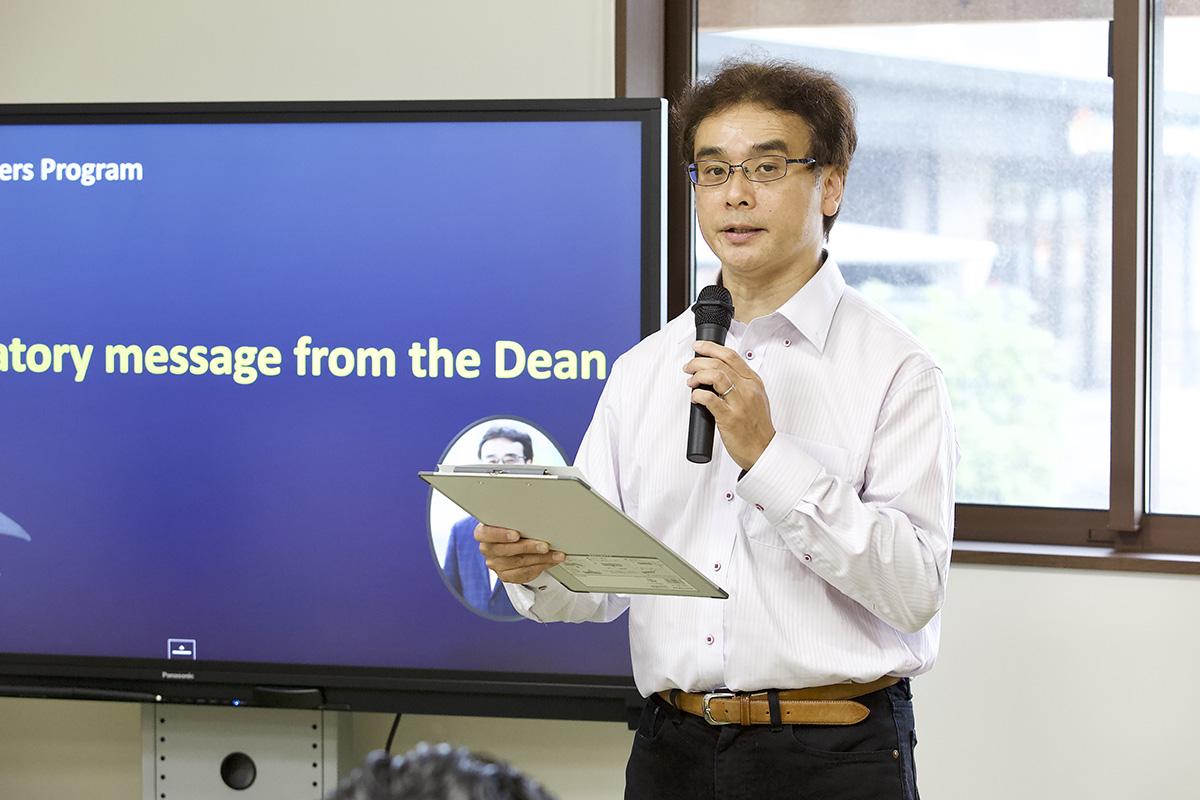
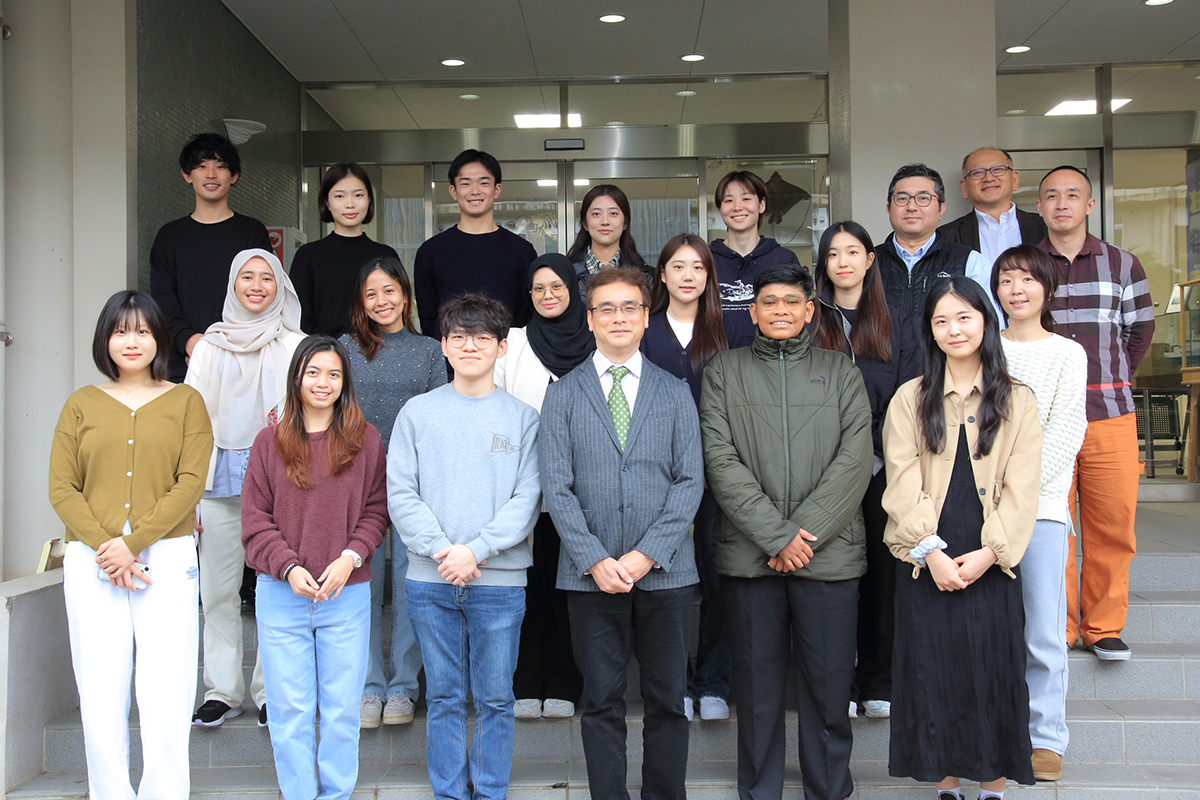
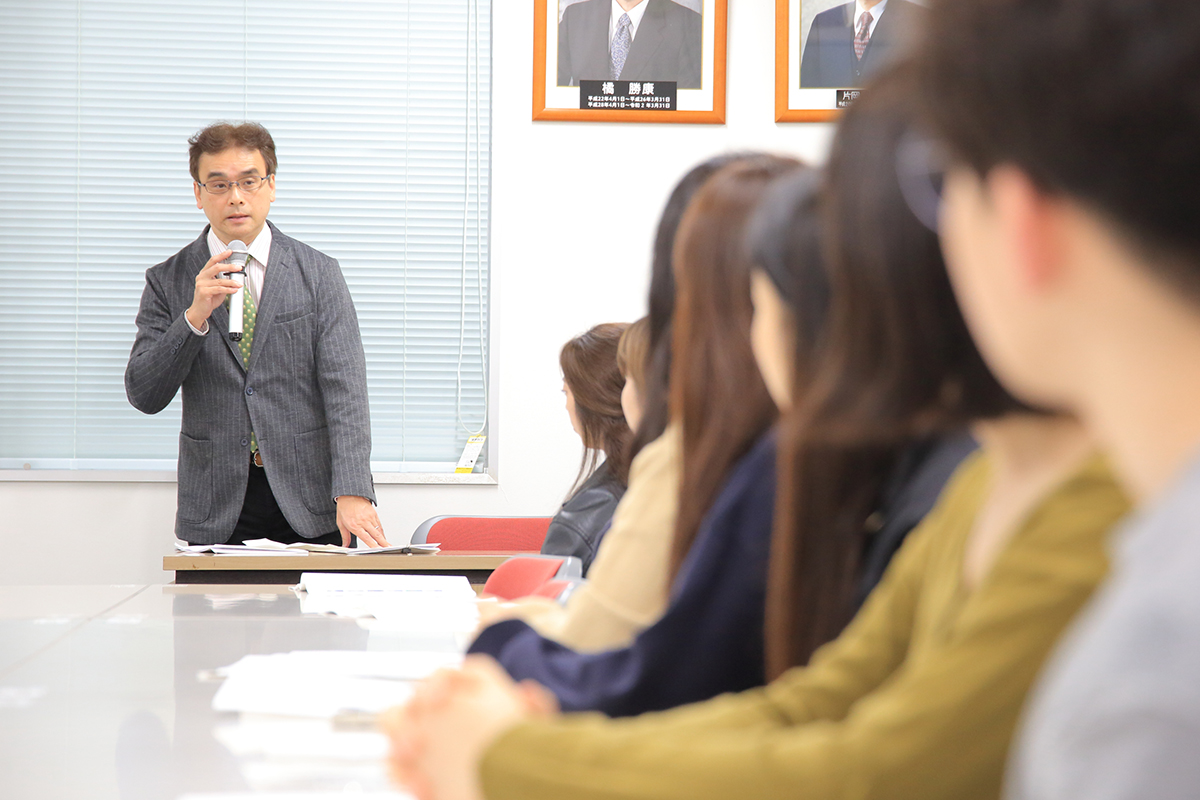
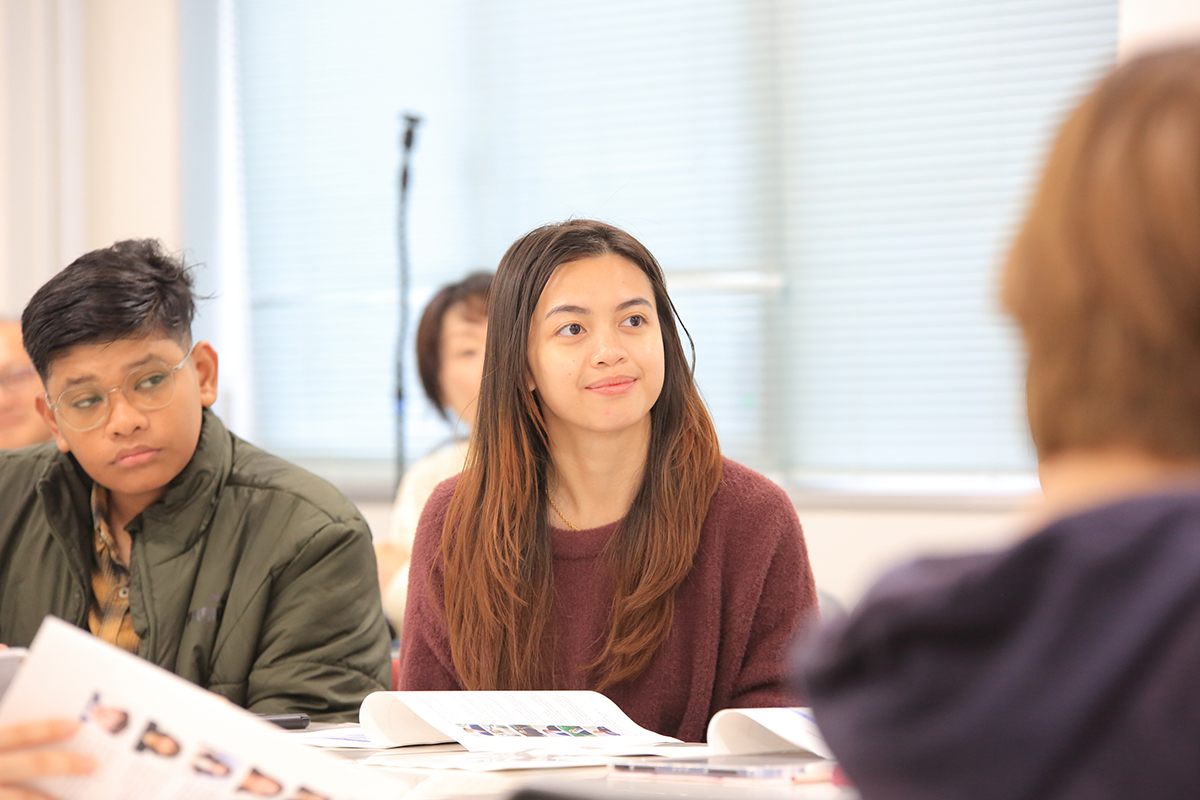
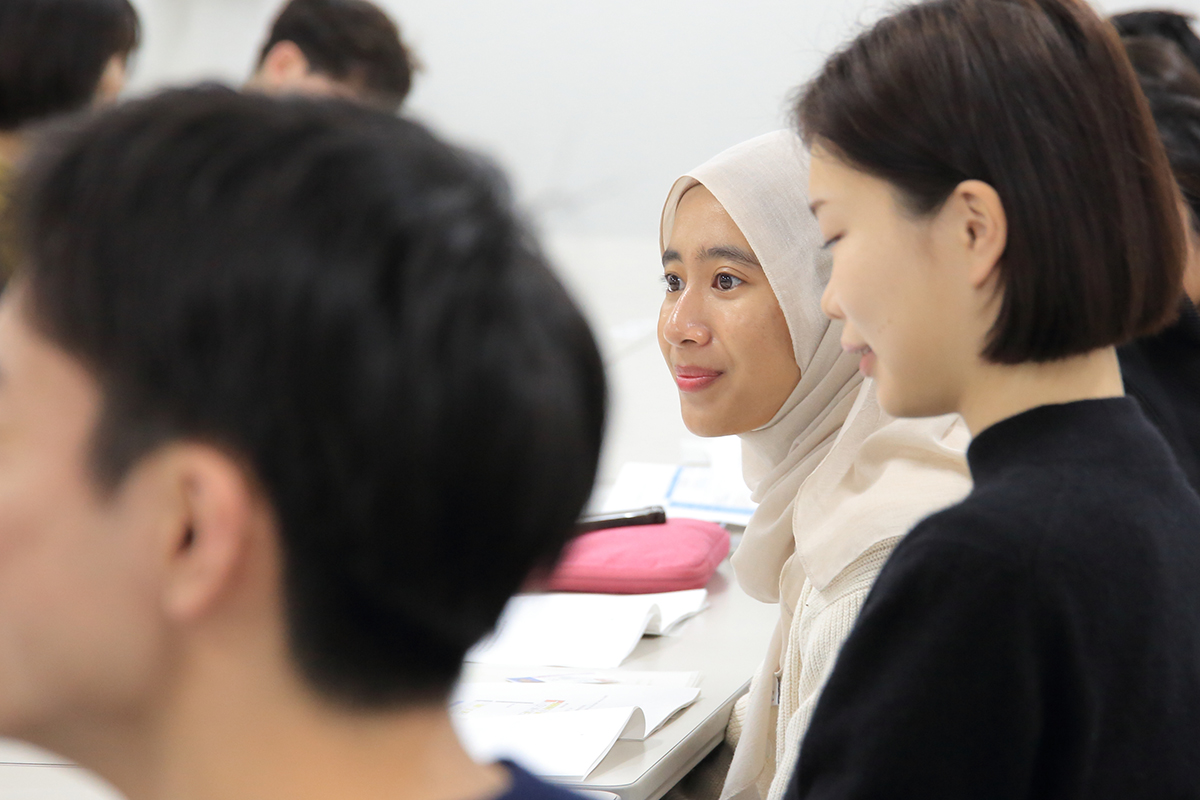
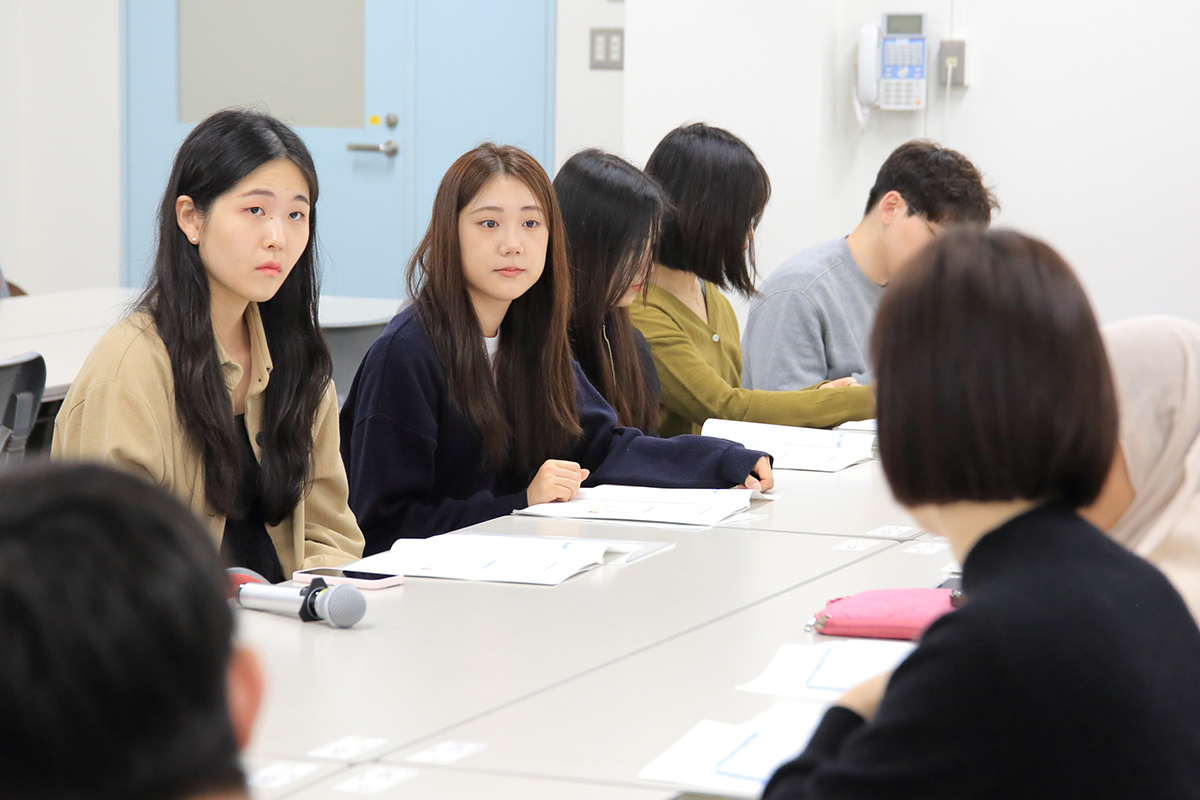
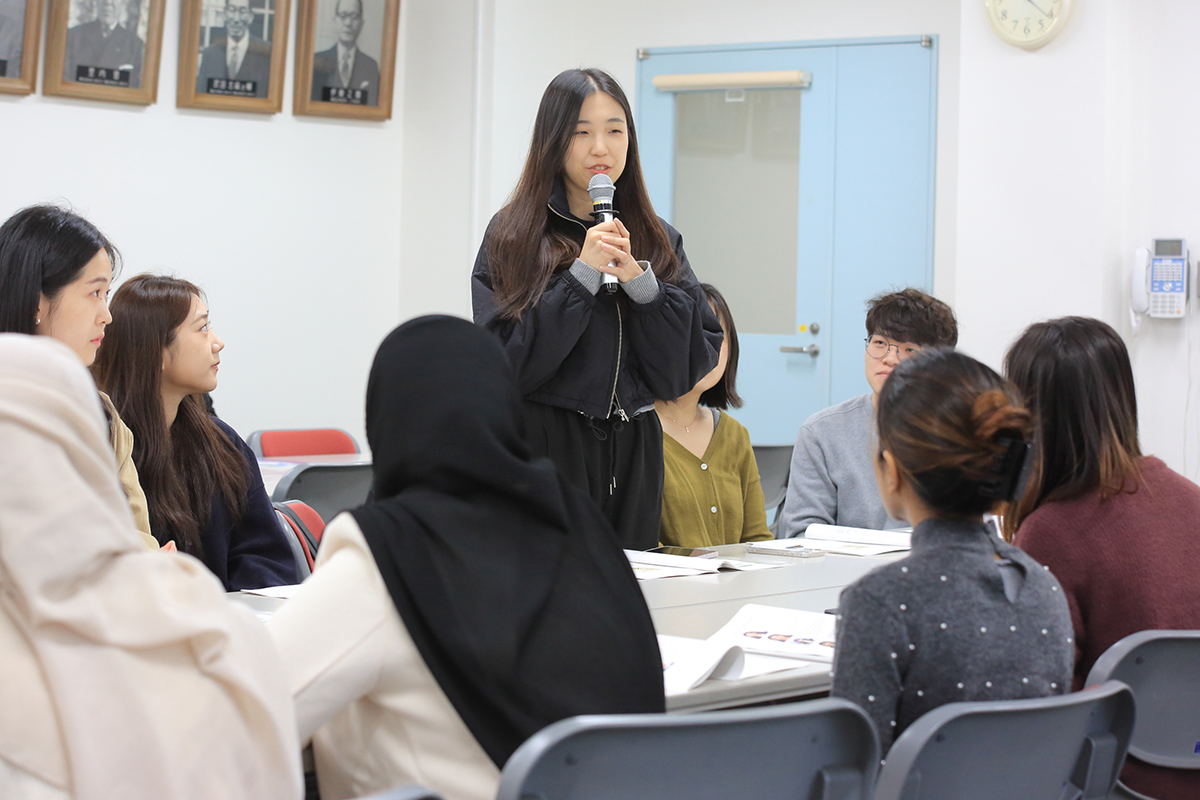
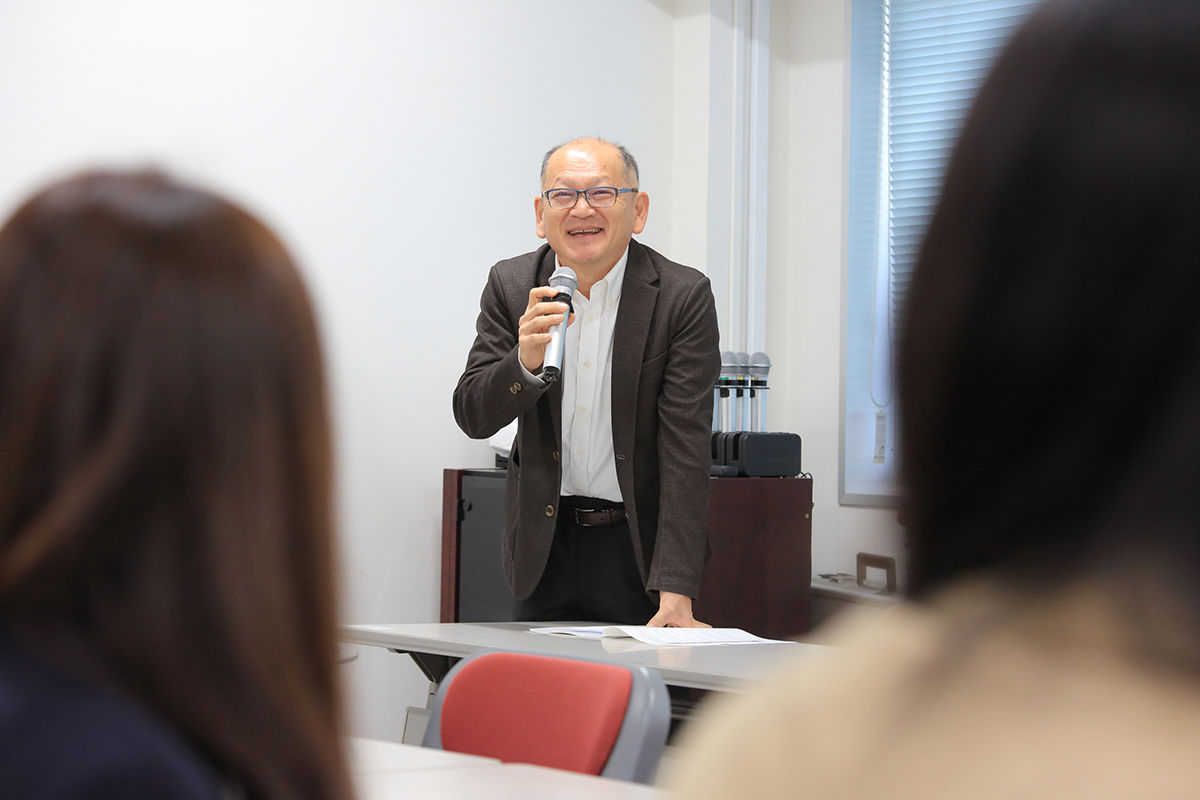
At the end of the presentation session, Professor Kazuaki Kawamoto, Dean of the Graduate School, gave a closing address.


“Thank you all for your excellent presentations. It was clear that you conducted a great deal of research and put significant effort into your work. During your time abroad, some of you expressed a desire to study English more intensively, and others mentioned that you wished you could have spent a longer period engaging in more practical learning experiences. Although this program comes to a close for now, I hope you will continue to foster these connections and gain even more valuable experiences in the future. Thank you very much for today.”
2025.06.25

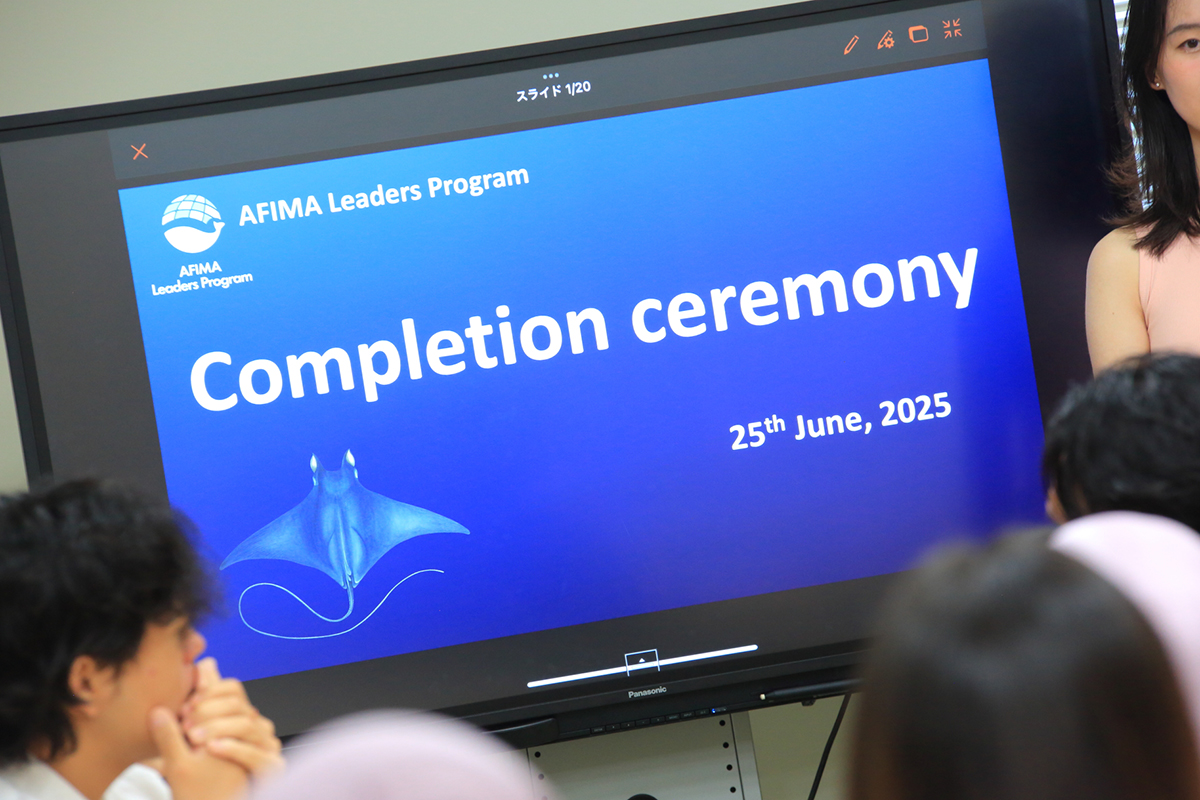
AFIMA Leaders Program 2025 Closing Ceremony of Nagasaki University


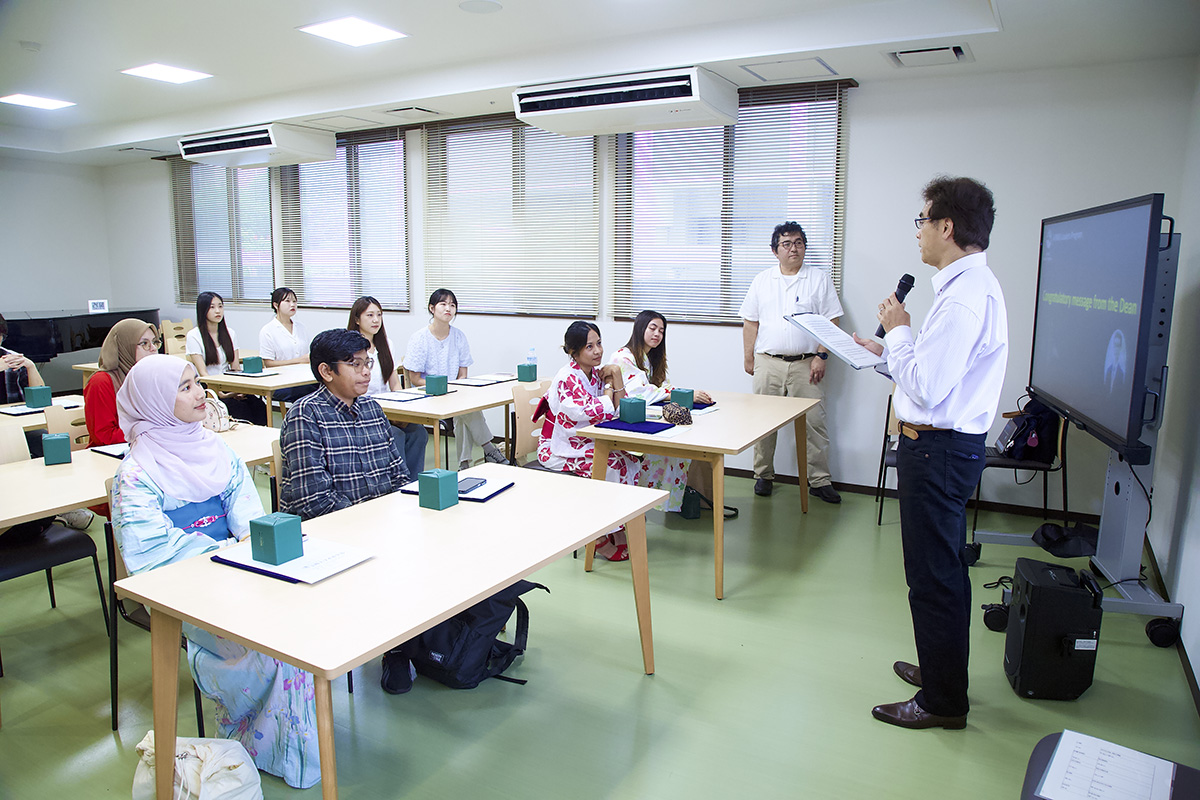
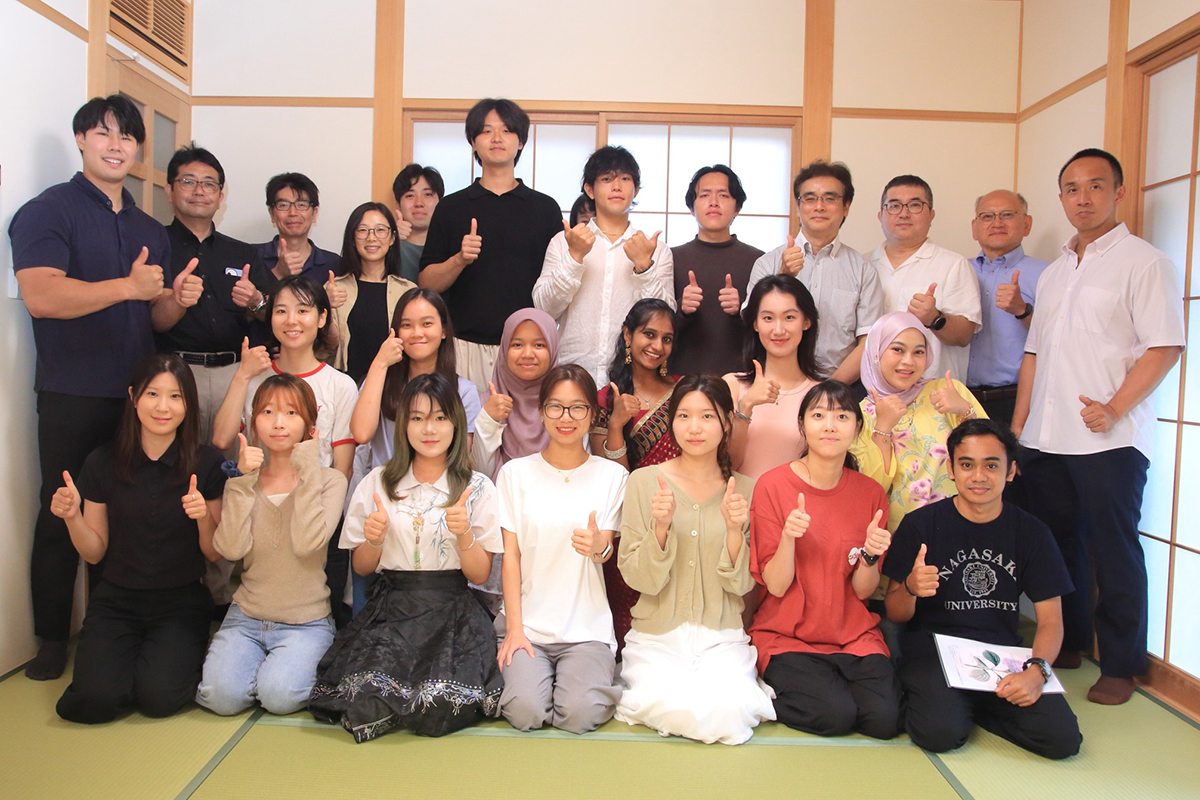
On Wednesday, June 25, 2025, the closing ceremony for the AFIMA Leaders Program 2025 short-term exchange program was held at Nagasaki University’s Yeh Kuo-Shii Global Friendship Center.


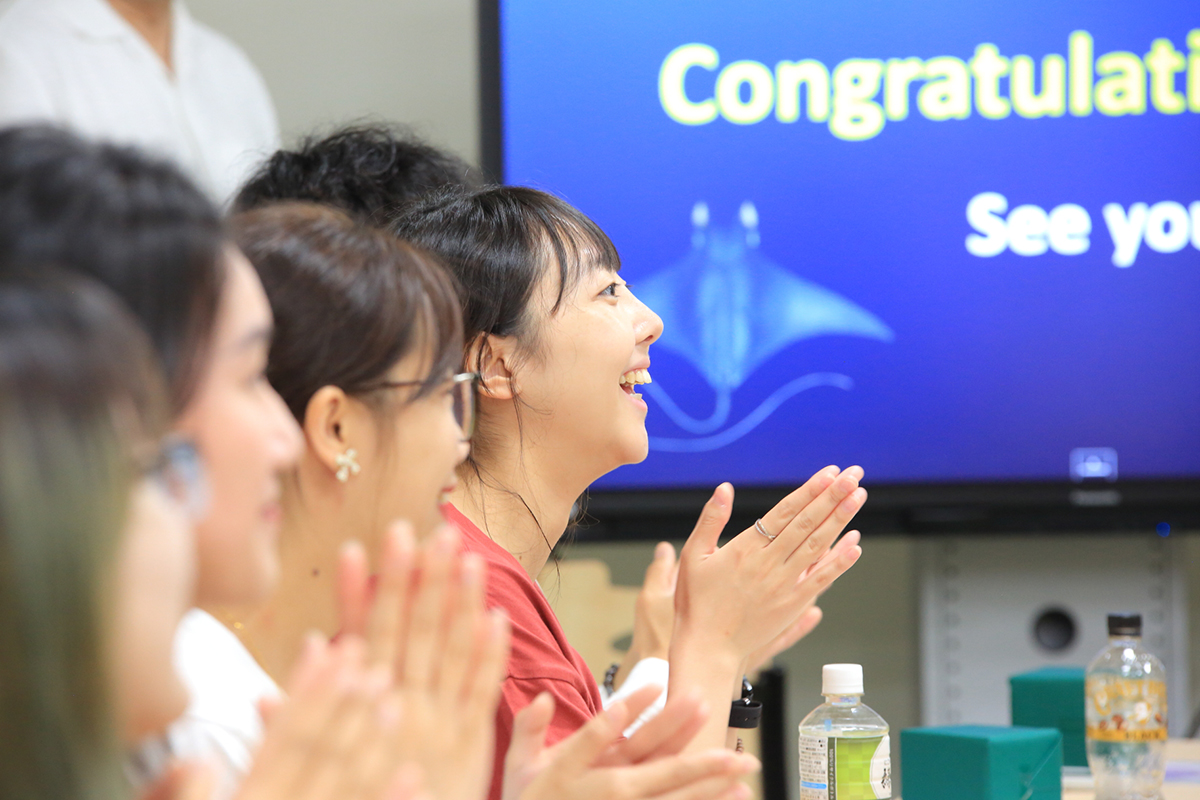
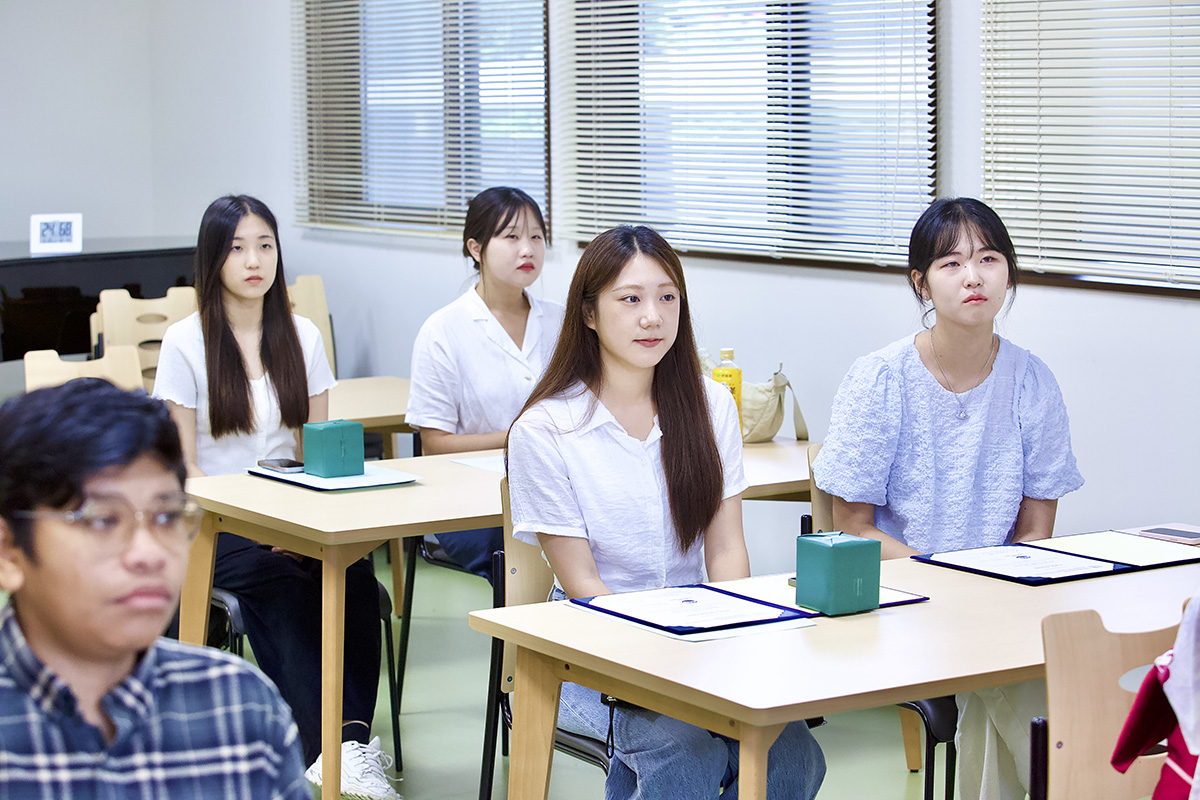
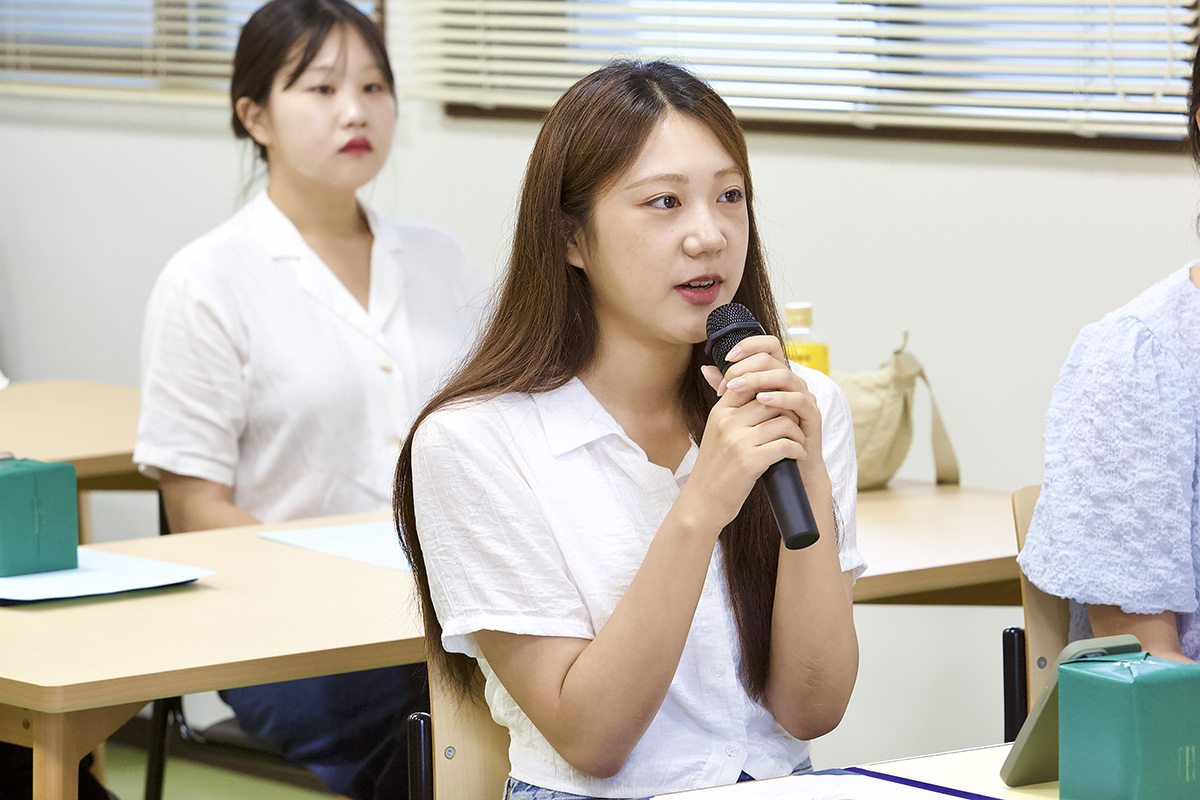
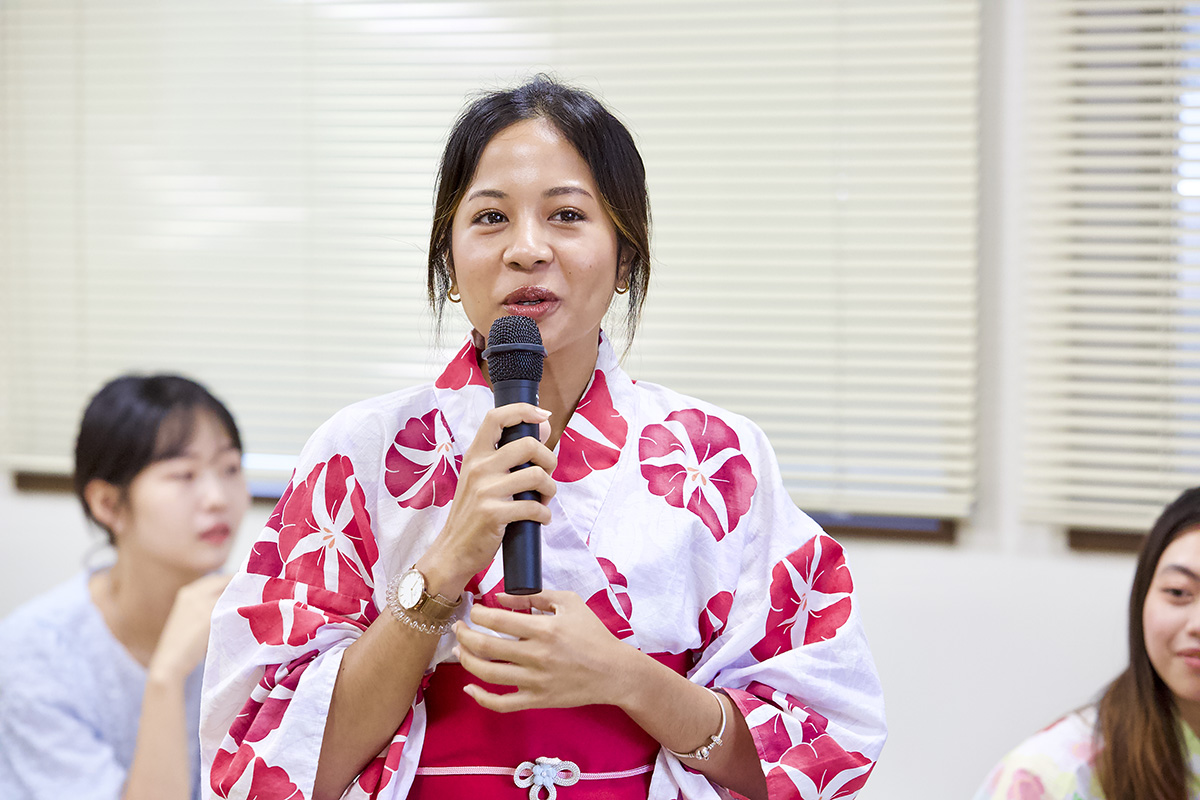
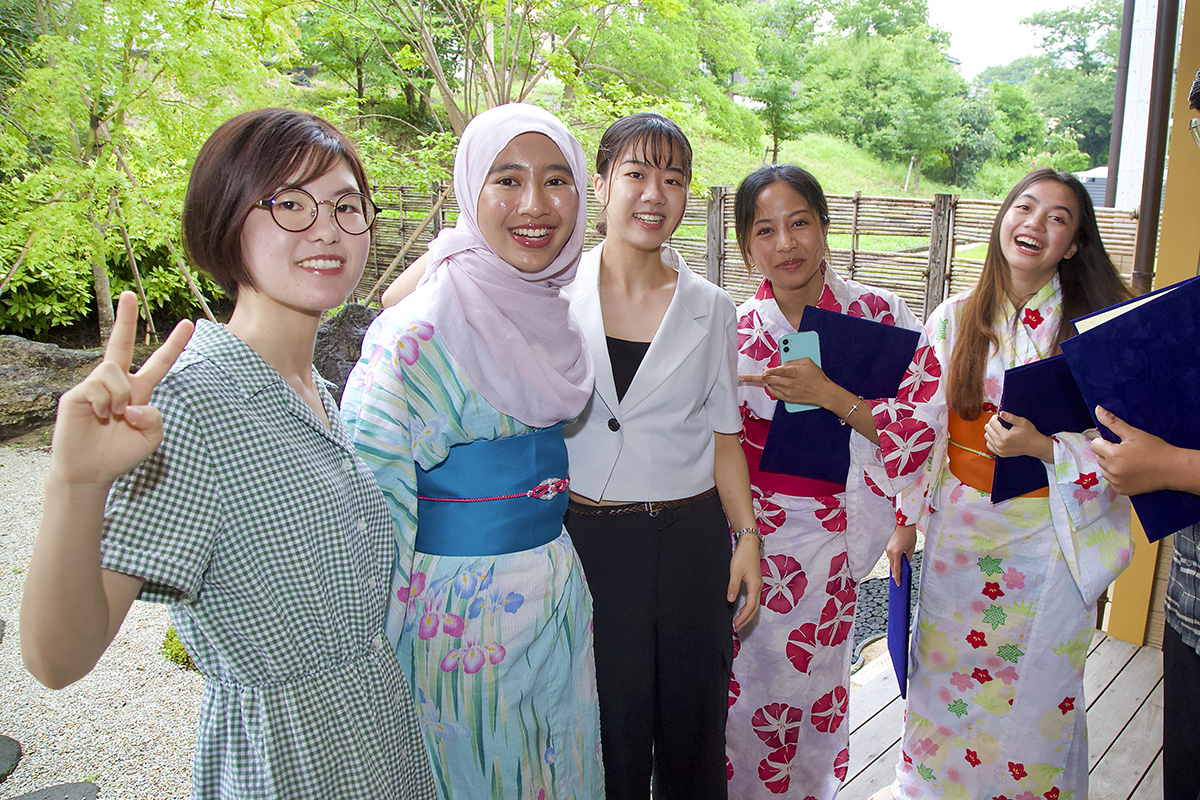
The three-month study abroad experience was marked by deep cross-country exchanges, and smiles and conversations that were not seen at the opening ceremony. Students from our Graduate School also attended the ceremony, which was full of smiles.


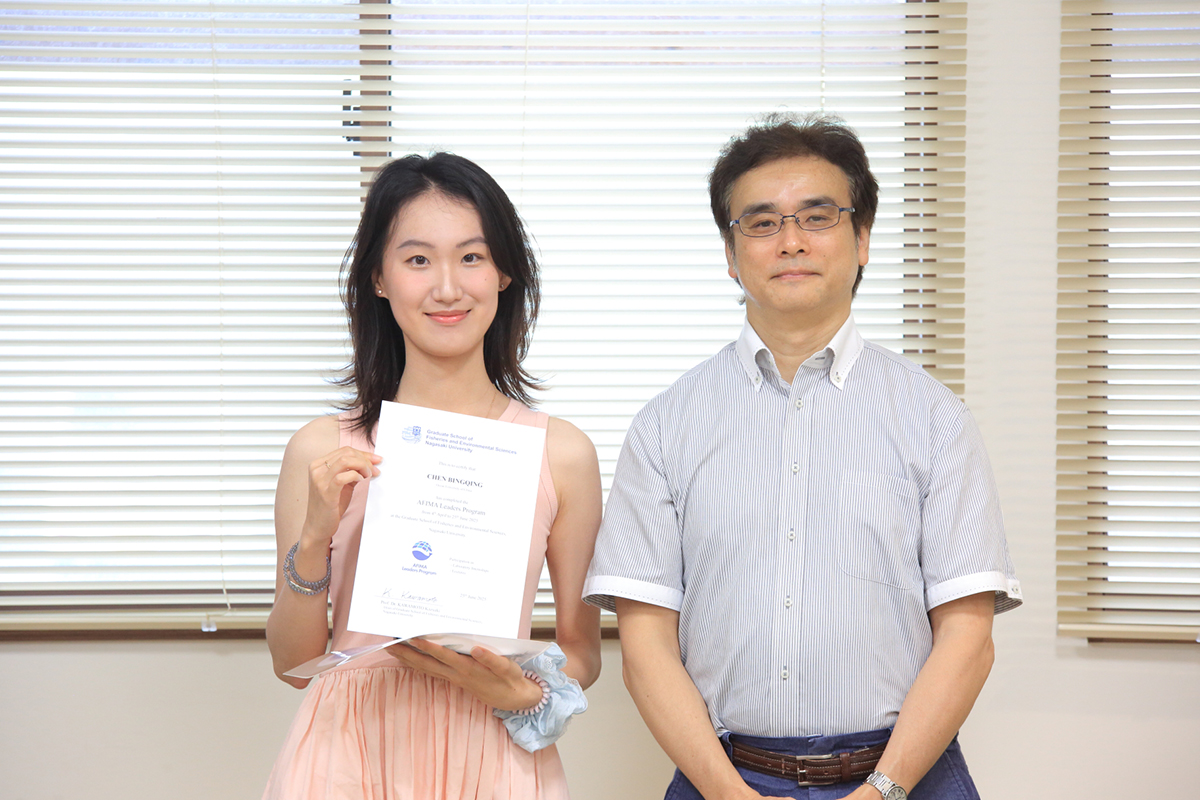
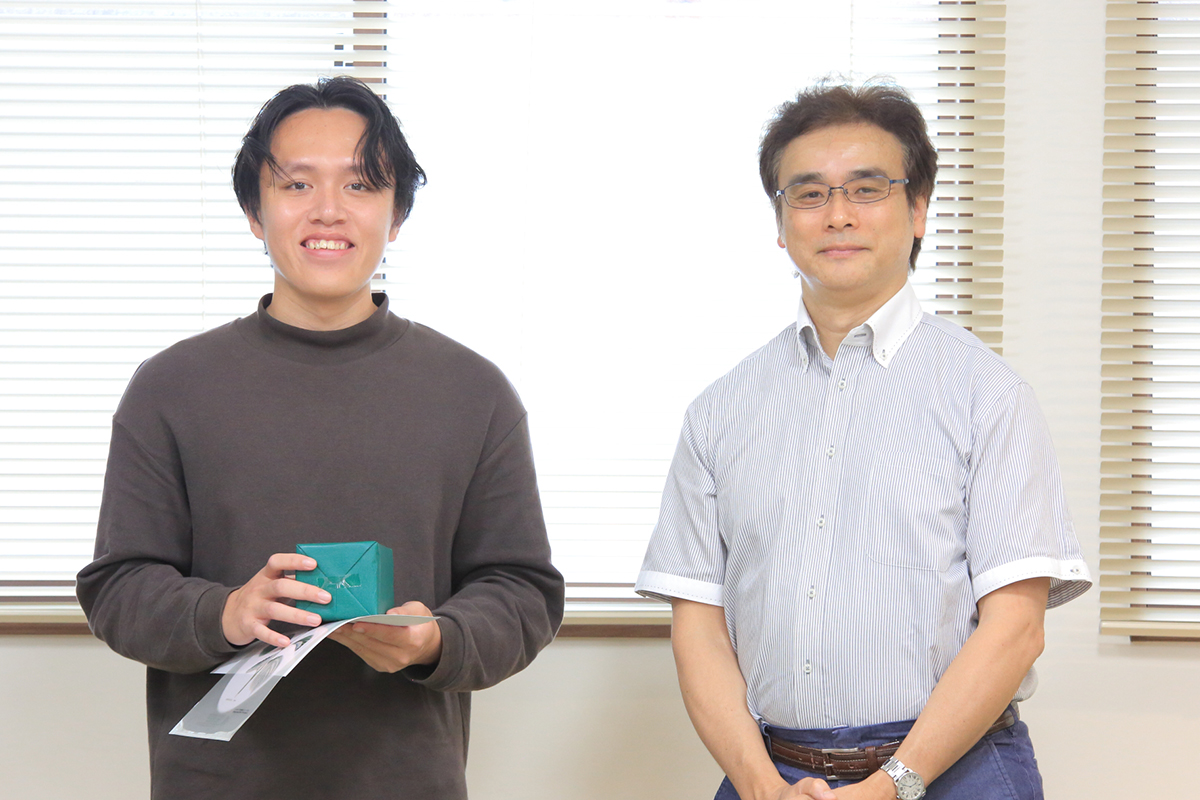
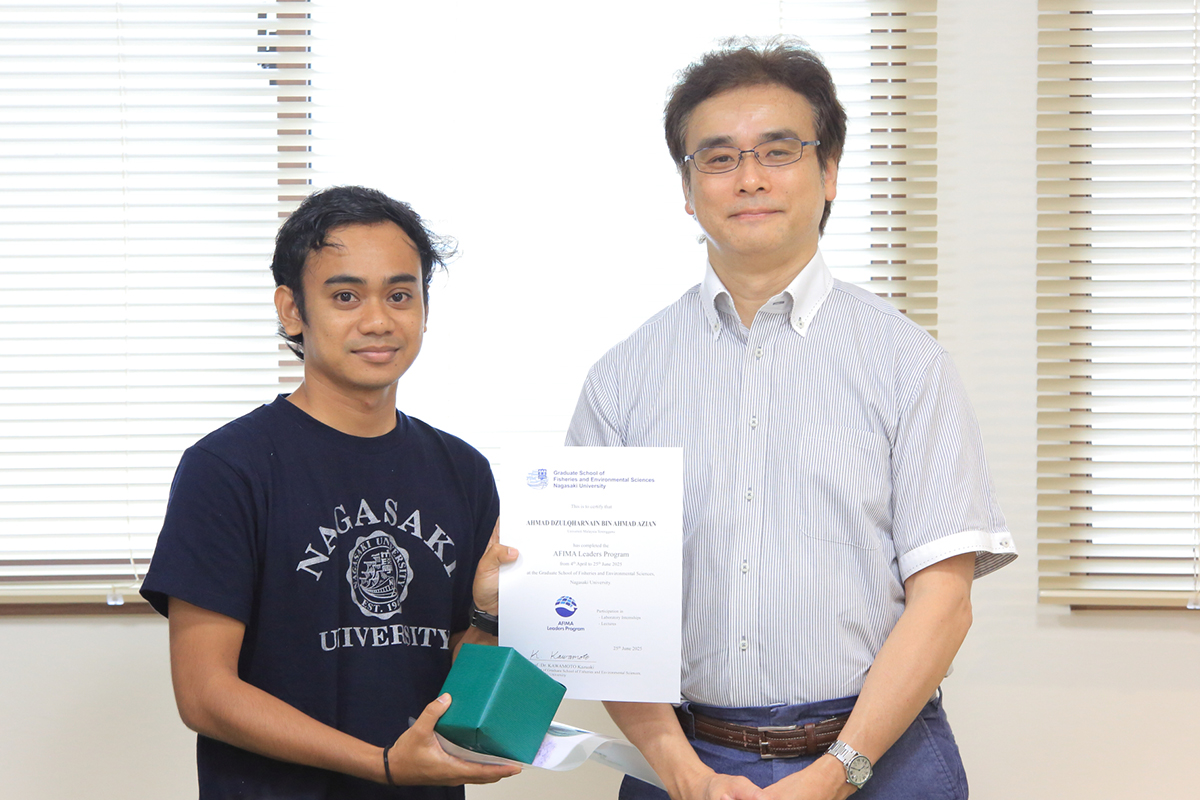
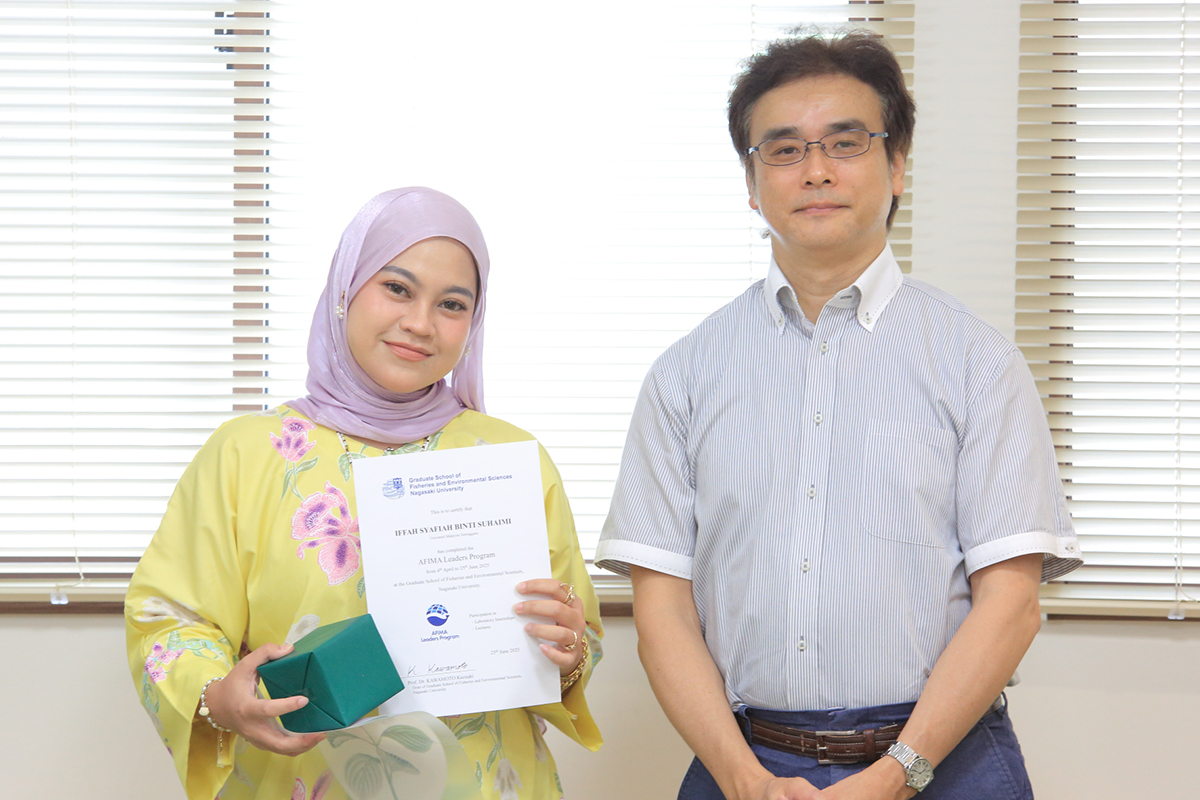
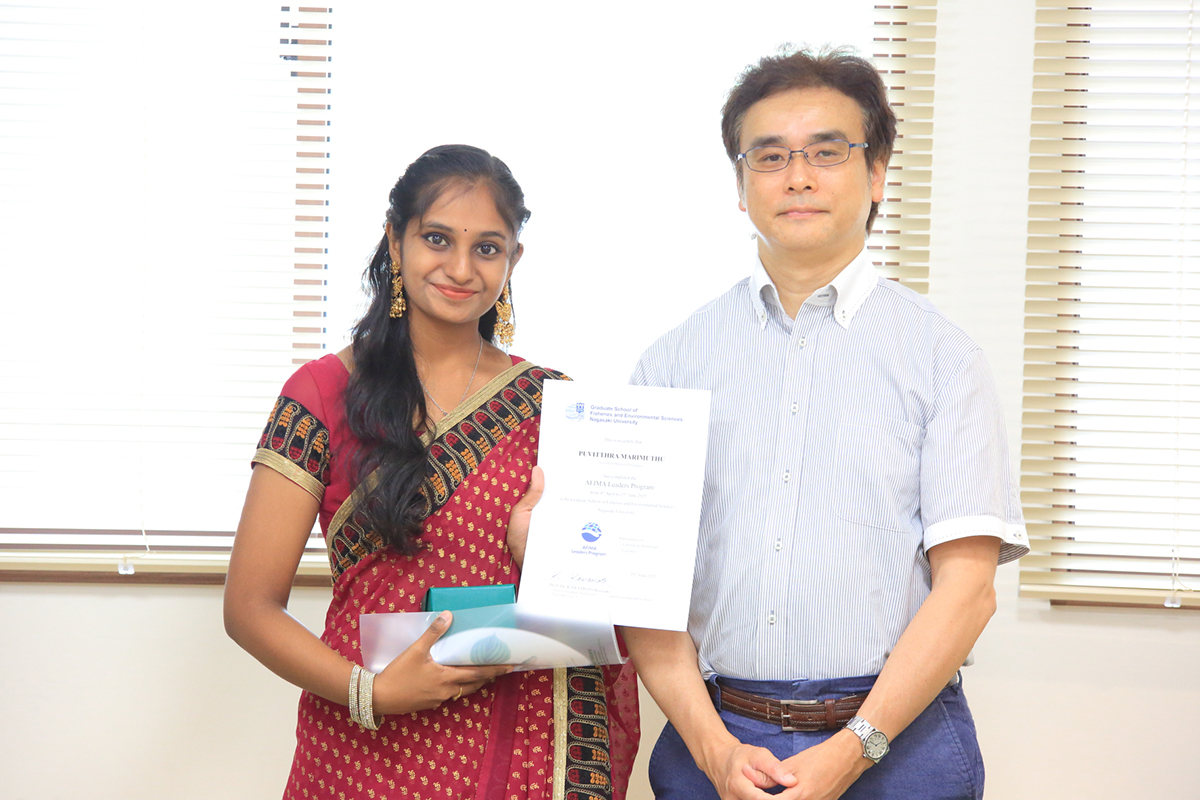
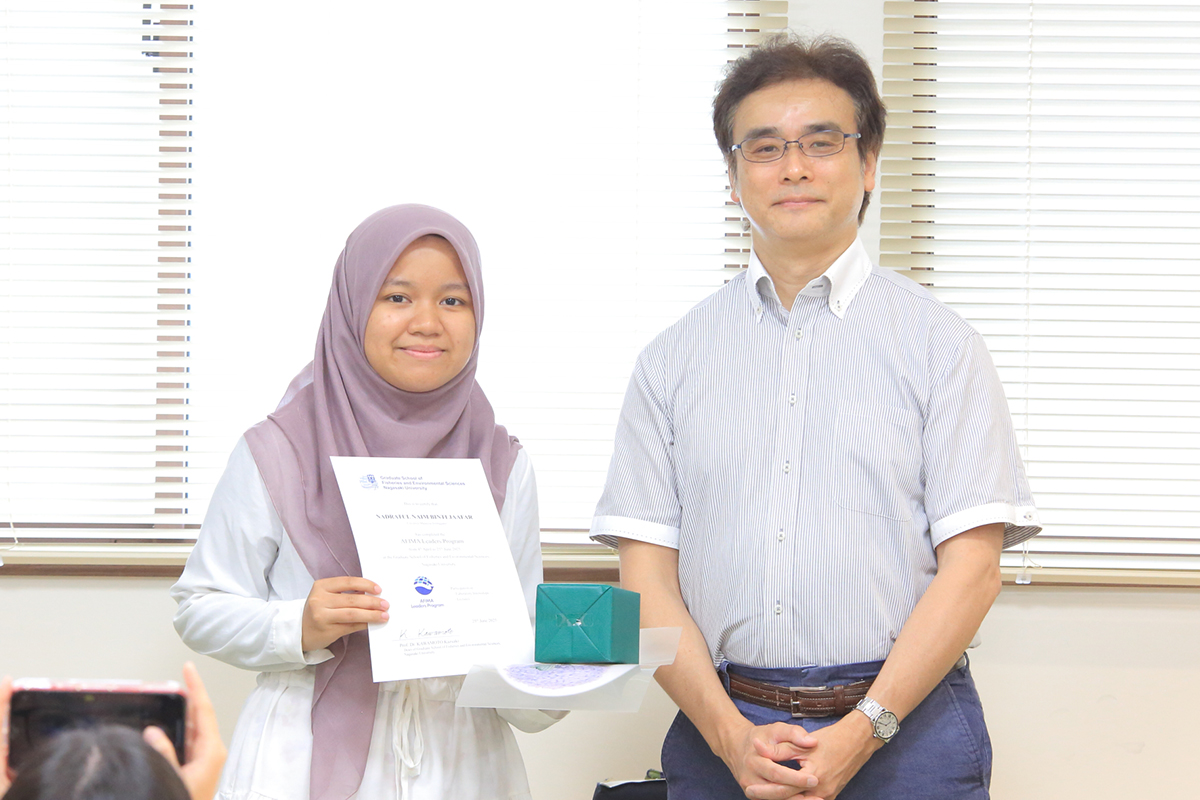
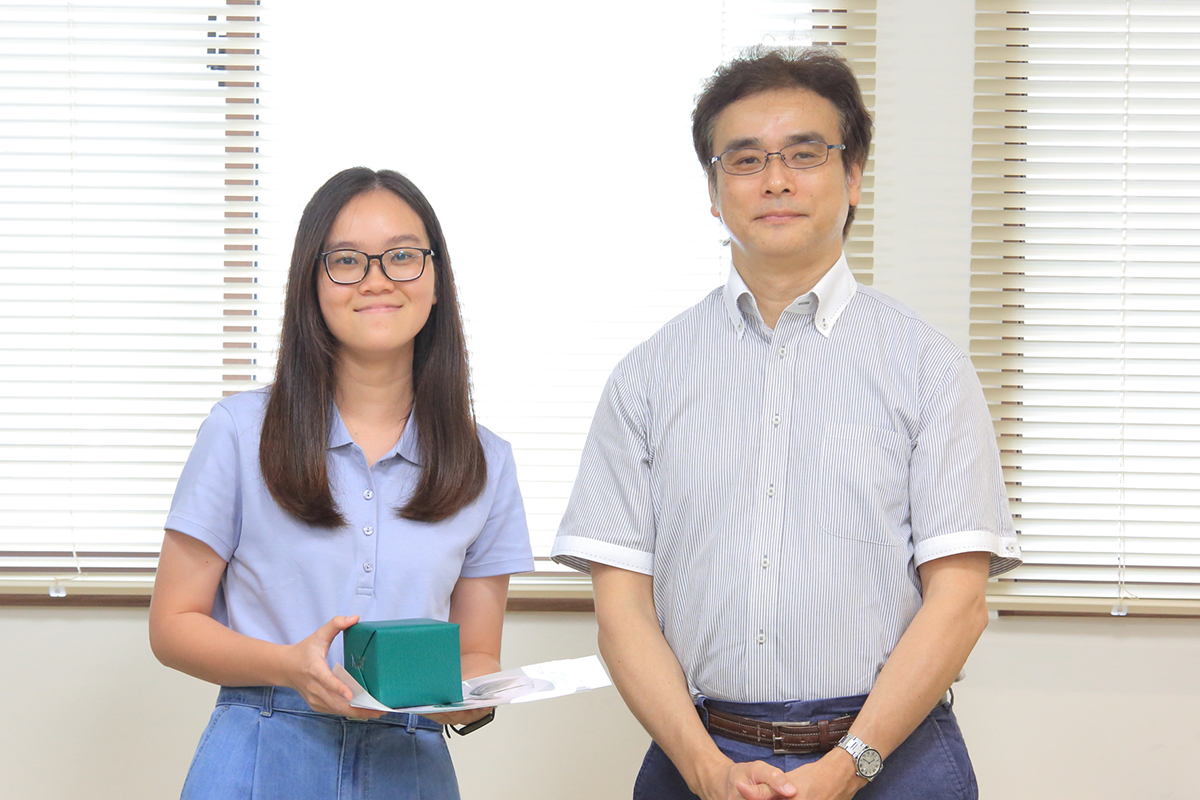
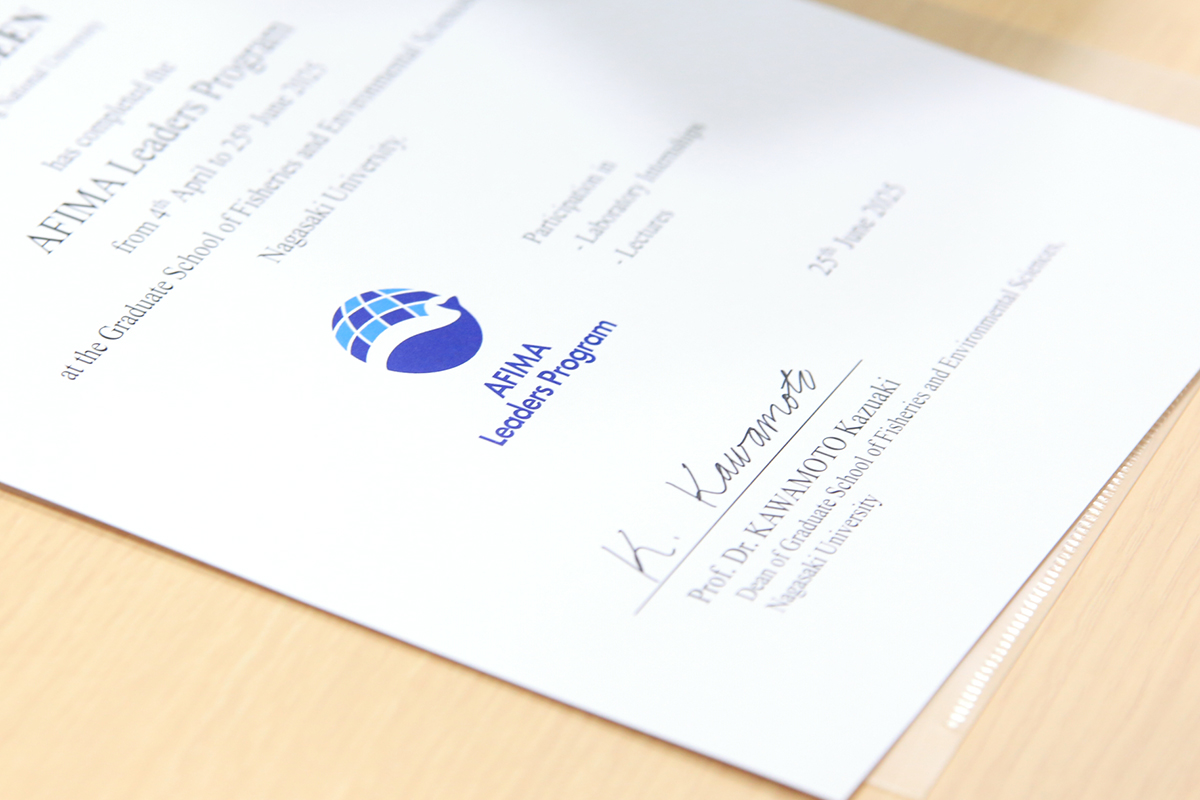
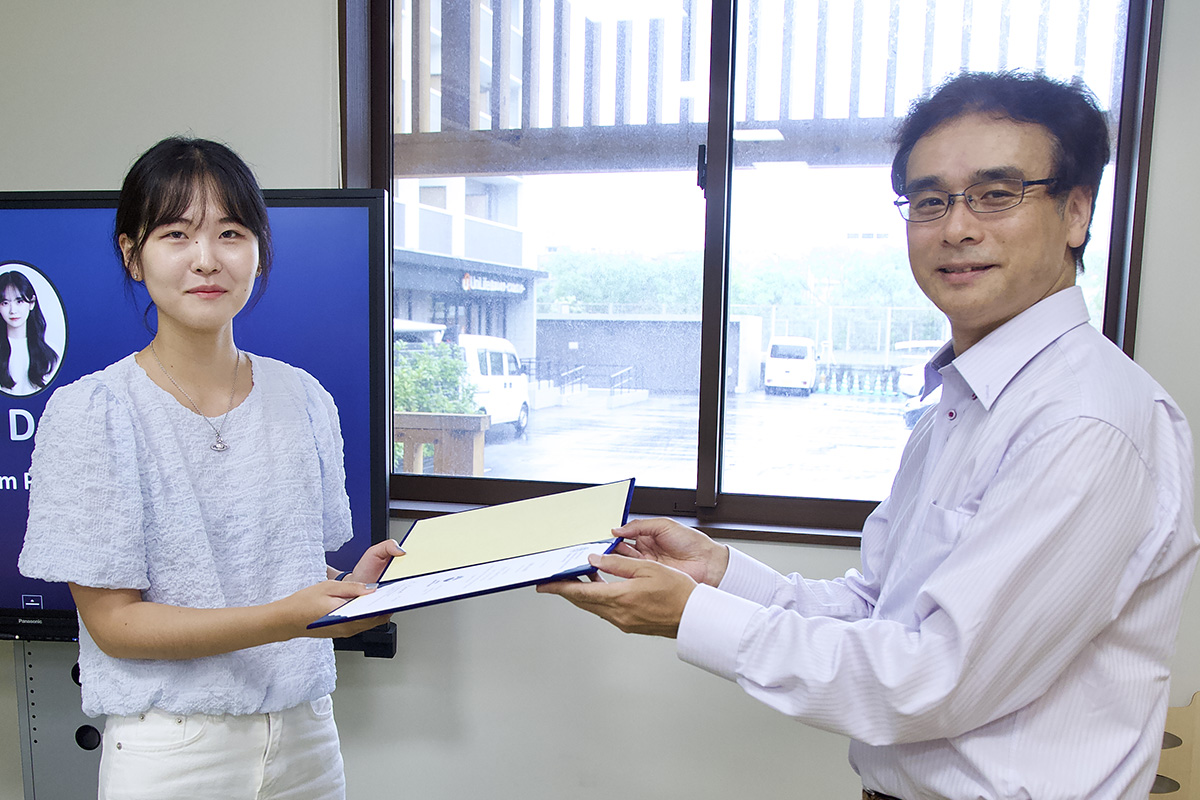
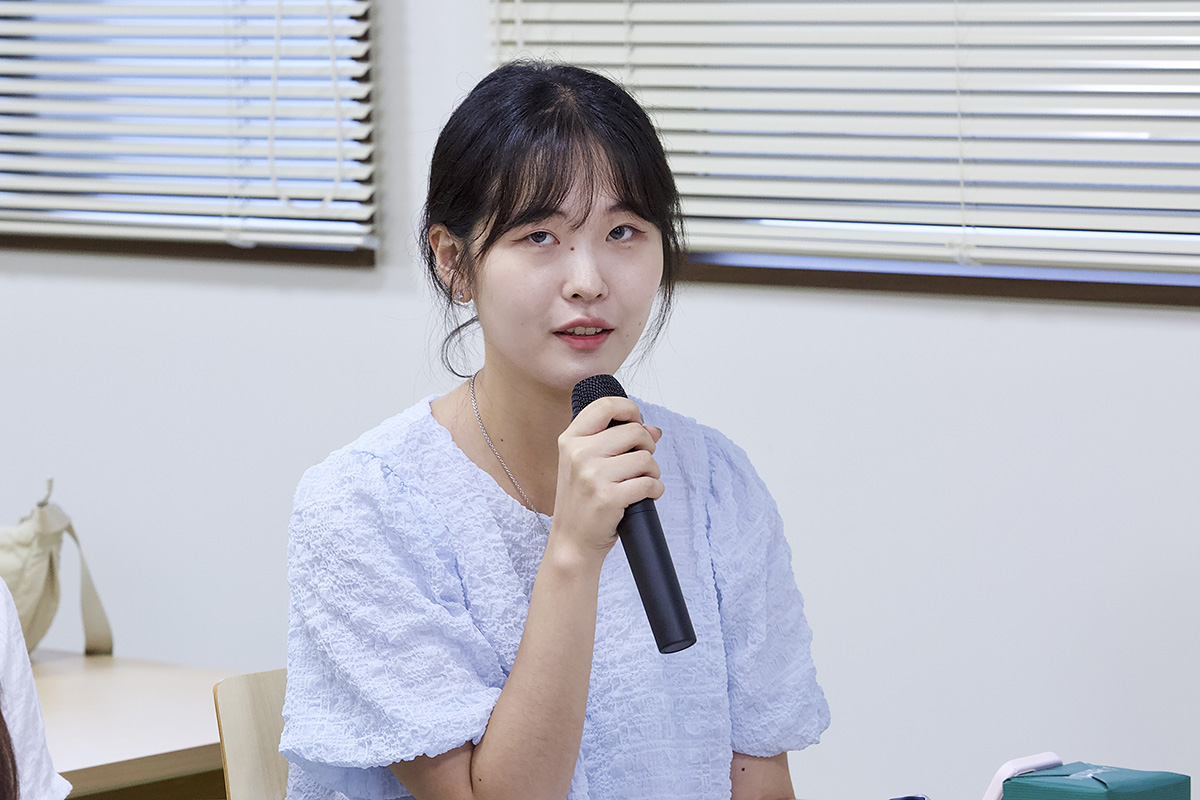
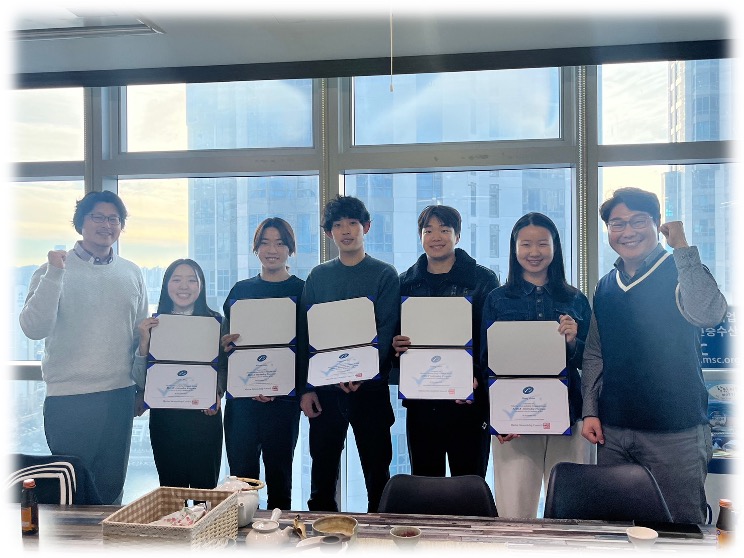
The 15 students were handed their diplomas and commemorative gifts by Professor Kazuaki Kawamoto, who were all smiles and refreshed. Before the award ceremony, they each gave a short speech, thanking their teachers and others involved and sharing their memories of the three months.


【Graduation Diploma Ceremony】


Pukyong National University (PKNU)


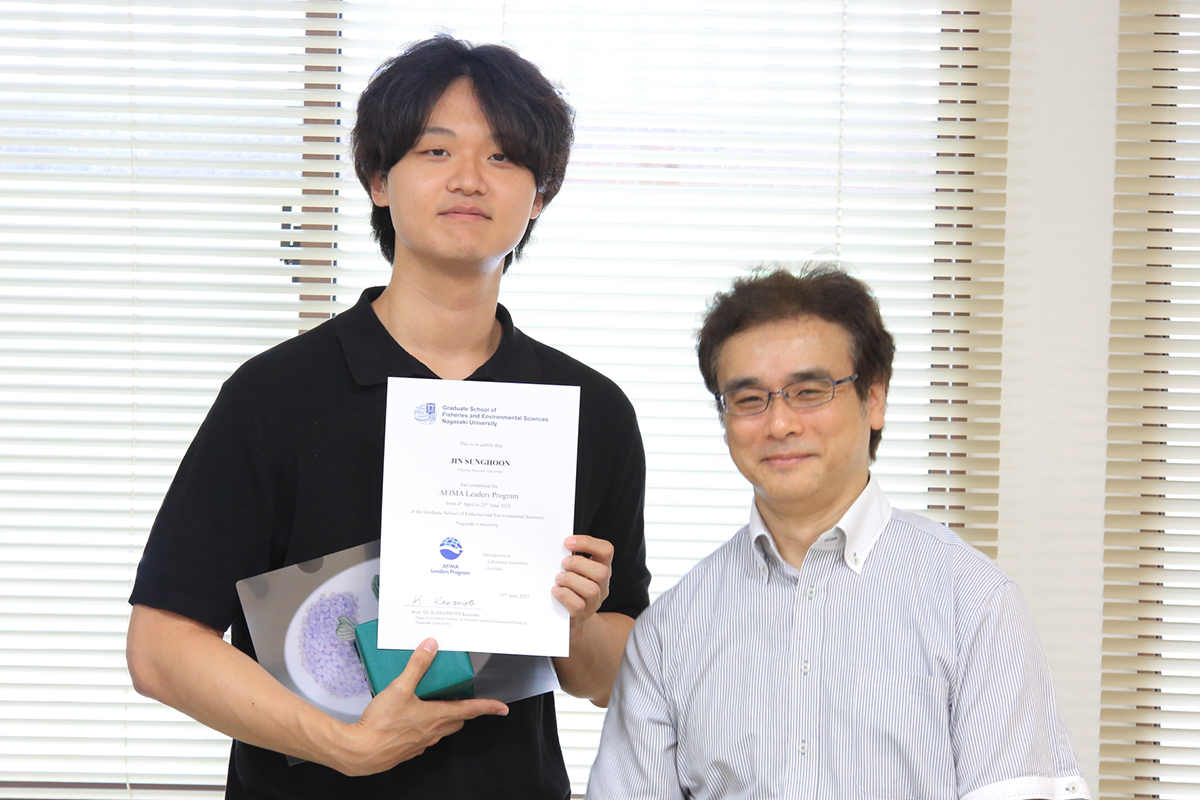
● JIN SUNGHOON (Pukyong National University)

My first foreign country was Japan and Nagasaki. It was a quick three months, but I definitely wanted to come back here again. Thank you so much.


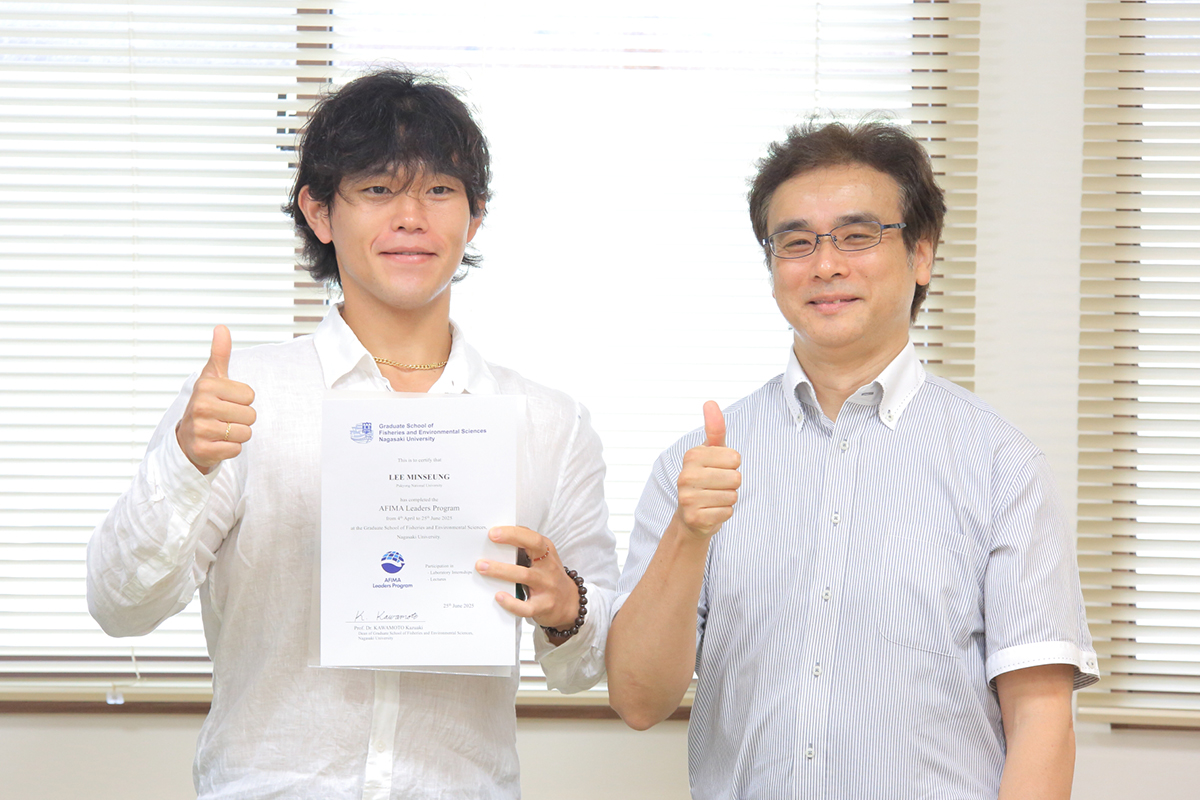
● LEE MINSEUNG (Pukyong National University)

The professors at Nagasaki University are very wonderful. I will never forget the days of the last three months. If possible, I would like to see everyone again. See you soon!


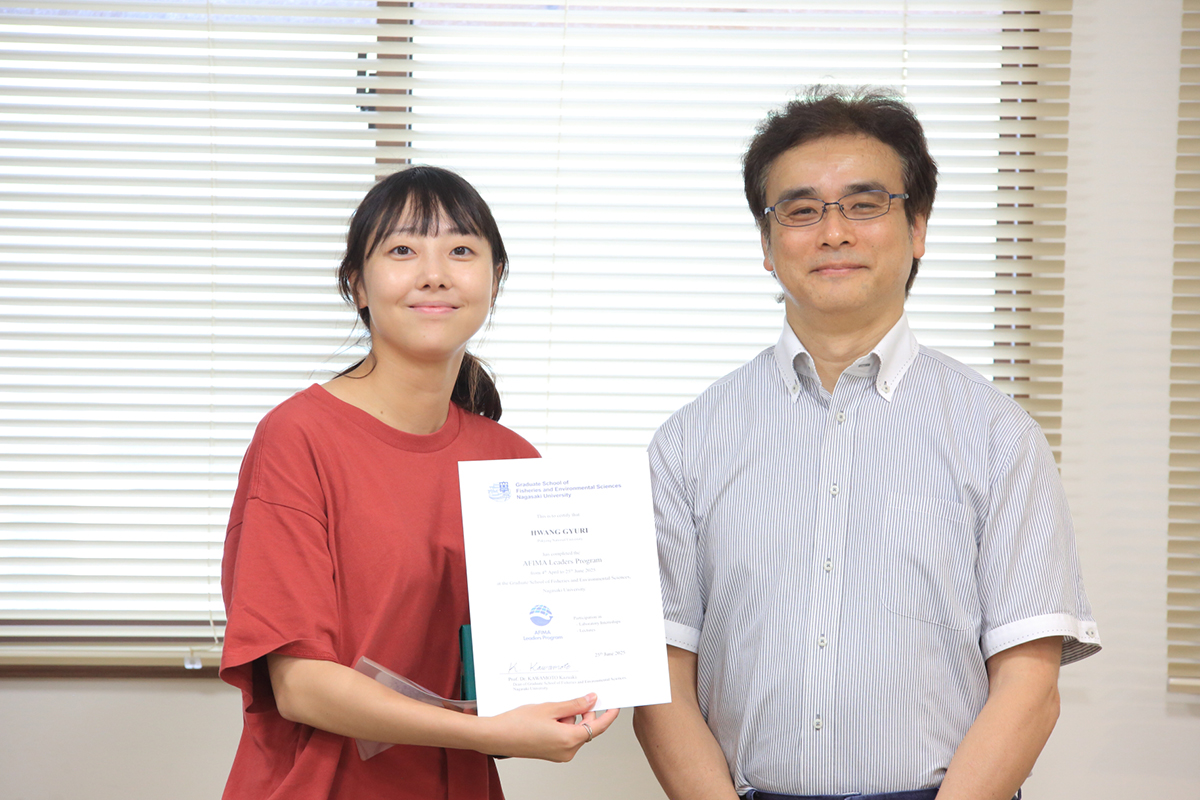
● HWANG GYURI (Pukyong National University)

I would like to express my sincere gratitude to all the teachers who supported us during the three months. I had a very meaningful time with the kind and attentive guidance in both classes and practical training.


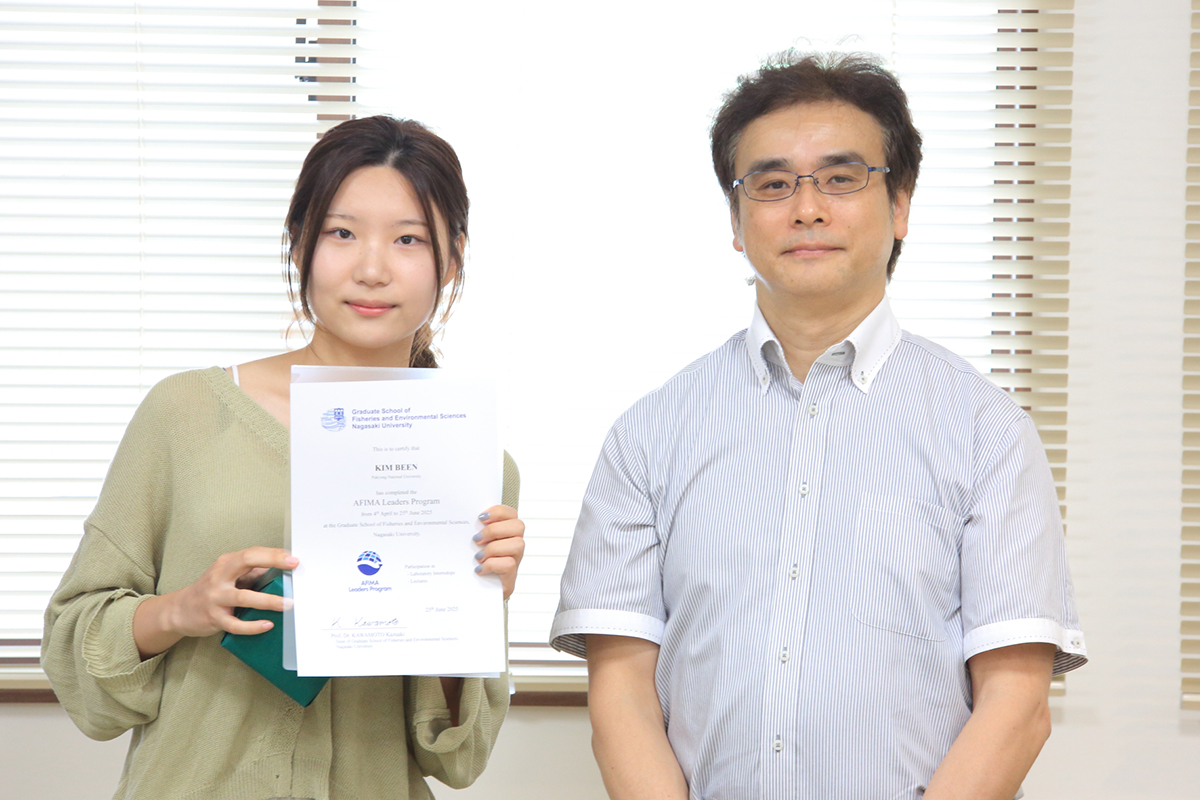
● KIM BEEN (Pukyong National University)

It was a hard day of classes and play, but I am very grateful for the support of the teachers and students.


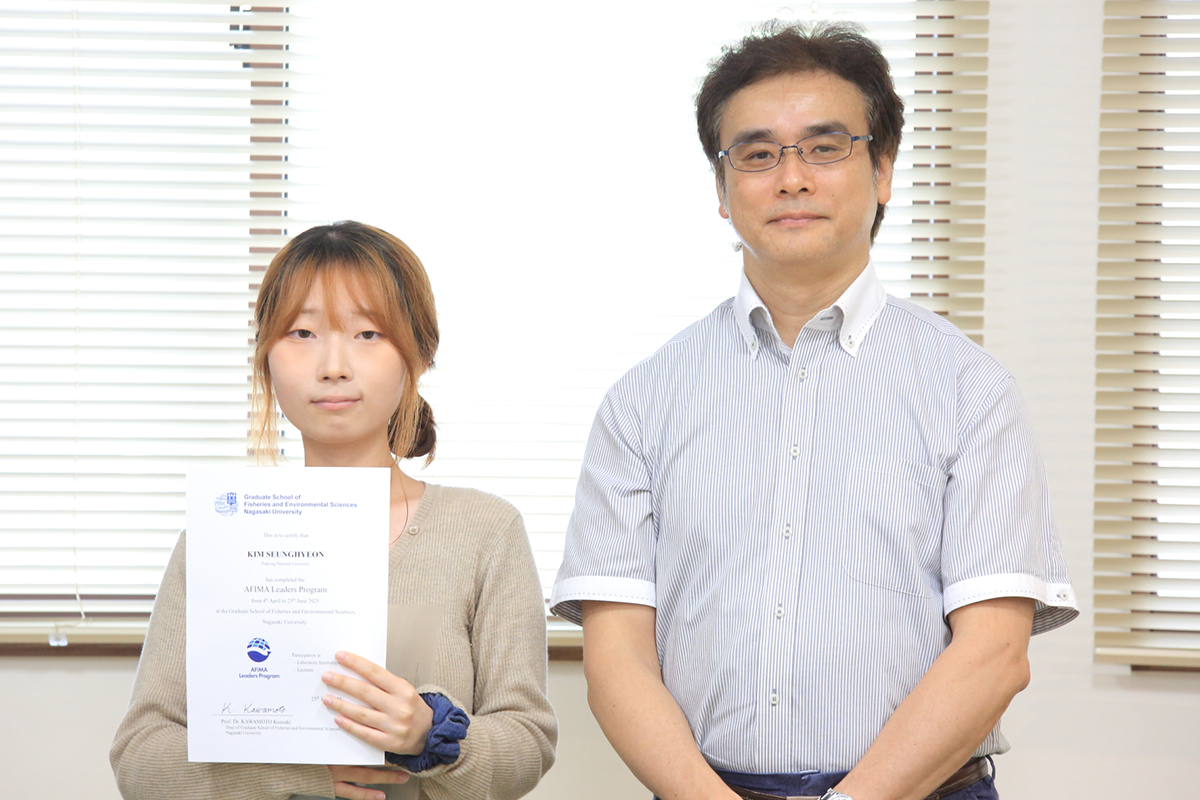
● KIM SEUNGHYEON (Pukyong National University)

I made many friends in this program. I was very happy to spend my days in this program.


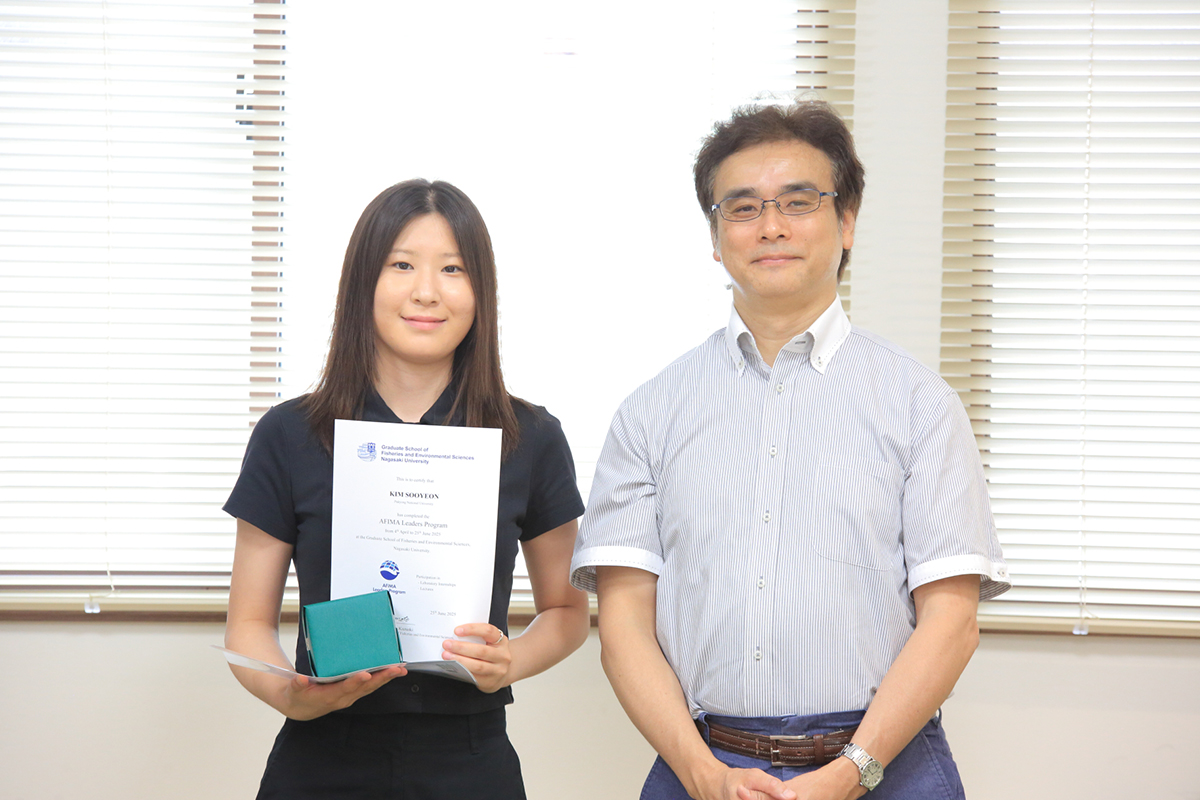
● KIM SOO-YEON (Pukyong National University)

I have very good memories of having a good time in the fish area.


Ocean University of China (OUC)


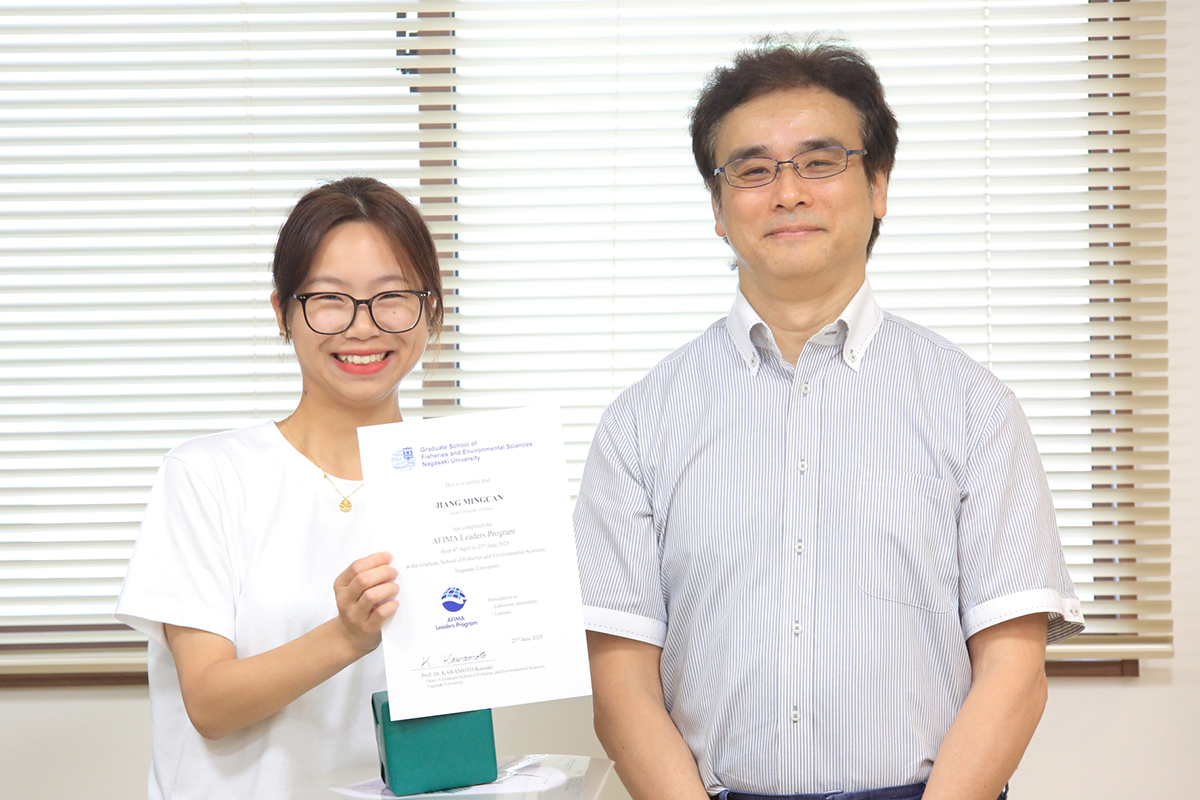
● JIANG MINGCAN (Ocean University of China)(OUC)

Everything I spent in Nagasaki became an unforgettable memory. I made many friends and spent very productive days. I will never forget it!


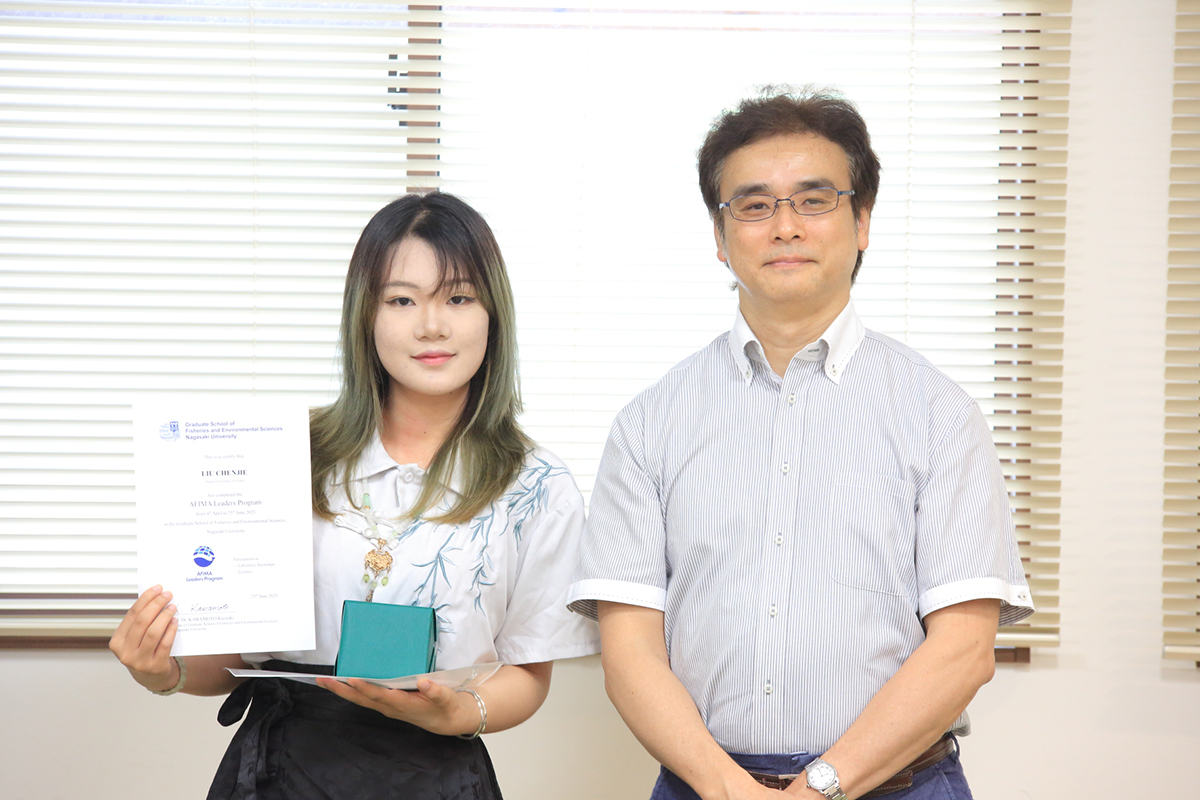
● LIU CHENJIE (Ocean University of China)(OUC)

My teachers, supporters, and classmates made these three months unforgettable for me. I will definitely come back to Japan again.


● CHEN BINGQING (Ocean University of China)(OUC)

I am deeply grateful to my teachers for their guidance during my three months of study in Japan, and I also had the opportunity to experience Japanese culture, which I will never forget. I am very sad to say goodbye.


Universiti Malaysia Terengganu(UMT)


● AIMAN NAJIAN BIN EDWARD  (Universiti Malaysia Terengganu)

Although there was a period of nervousness at first, the three months of exchange were filled with excitement at the beauty of Japanese culture and the warmth of the people. It was an unforgettable time in my life.


● AHMAD DZULQHARNAIN BIN AHMAD AZIAN  (Universiti Malaysia Terengganu)

It was three months of great significance for my future. I will never forget it. Nagasaki University is the best university. I hope to see you again!


● IFFAH SYAFIAH BINTI SUHAIMI  (Universiti Malaysia Terengganu)

These days were so wonderful that the program changed the way I live my own life. I hope to see you all again someday.


● PUVITTHRA MARIMUTHU  (Universiti Malaysia Terengganu)

It was a great experience for me, even though it was only for 3 months. I would like to thank the teachers for their warm support.


● NADRATUL NAIM BINTI JAAFAR  (Universiti Malaysia Terengganu)

I would like to thank the organizers of the program. We had a great time learning about the wonderful culture of Nagasaki and the advanced knowledge of Nagasaki University.


● TEOH YING YING  (Universiti Malaysia Terengganu)

Everything about the three months was a wonderful memory. Everyone, including the teachers, supported me with passion. Thank you very much. I wish you all a happy future.


Student Supporters


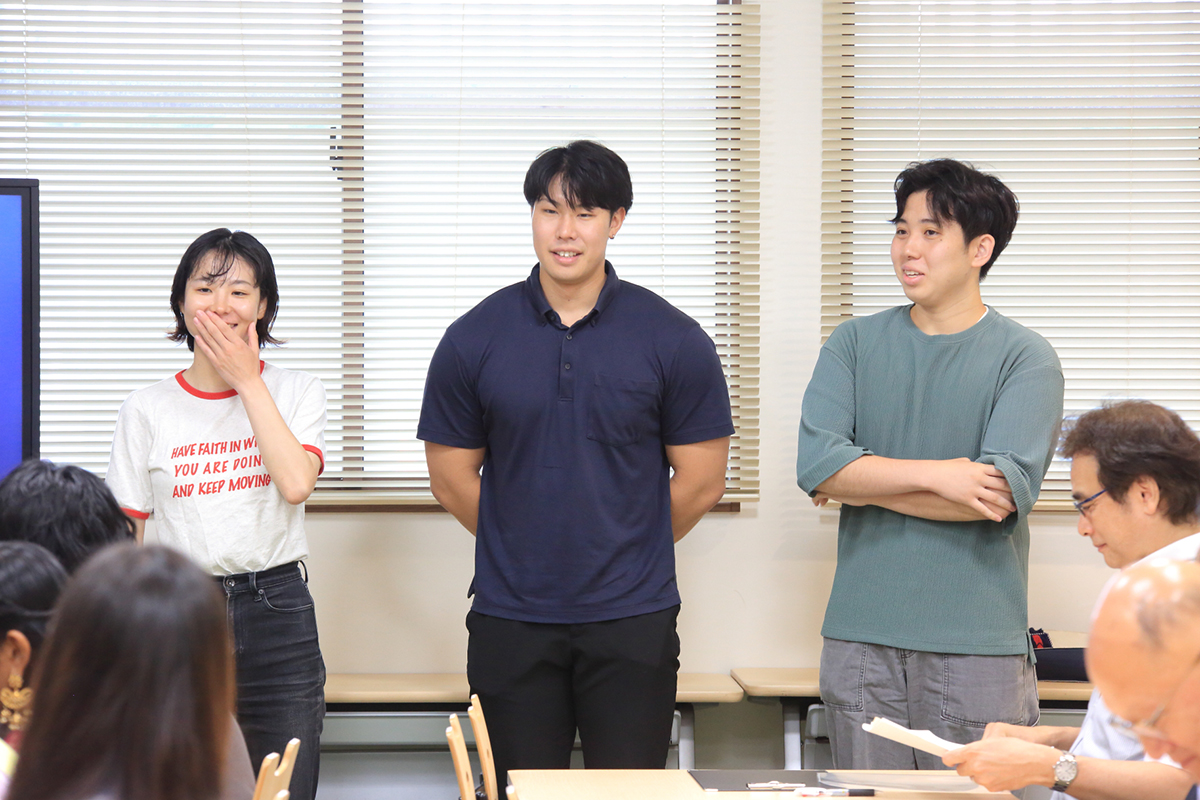
Nagasaki University students who had joined the AFIMA short-term exchange program also came to the ceremony and expressed their appreciation.


Yuko Kameyama  Yudai Takahashi      Shunya Kiyabu


Greetings from Professor Kazuaki Kawamoto


Finally, Professor Kazuaki Kawamoto presented a message to the students who completed the AFIMA Leaders Program 2025.


「You have all done well so far. I am so glad that we could spend the past three months thinking about a sustainable future together. Your learning has just begun. Please continue to learn about a sustainable future. And keep moving toward the goal of your life.」


Diplomas handed to everyone


AFIMA Leaders Program2025 Support Teachers

・Kazuaki Kawamoto Professor, Dean
・Hideki Nakayama  Professor, Vice-dean
・Yoshiki Matsushita Professor, Vice-dean

・Yoshitaka Sakakura Professor
・Masaki Nagae      Professor
・Hee-Jin Kim     Associate Professor
・Mitsuhide Satou    Assistant Professor

・Chengyan Han     Assistant Professor

2025.04.04

Nagasaki University 2025 AFIMA Leaders Program 2025 Opening Ceremony


The 2025 AFIMA Leaders Program Opening Ceremony was held on Friday, April 4, 2025, weather permitting. A total of 15 international students will participate in the program: six from Pukyong National University (PKNU), six from Universiti Malaysia Terengganu (UMT), and three from Ocean University of China (OUC). This year’s event had a record number of participants. Six current students from Nagasaki University also supported the international students. We will study together for about three months, from April to June.


At the opening ceremony, Professor Kazuaki Kawamoto, Dean of the Graduate School, gave a greeting. 「We will learn together from now until June. I would like the students to interact with each other, try various things, and experience Nagasaki’s culture. It is a short program, but good luck!」


Professor Hideki Nakayama, Vice-dean of the Graduate School, explained the program and the precautions to be taken in life in Nagasaki.


【Participating International Students】


Pukyong National University(PKNU)


●LEE MINSEUNG  (Pukyong National University)


●JIN SUNGHOON  (Pukyong National University)


●HWANG GYURI  (Pukyong National University)


●KIM BEEN  (Pukyong National University)


●KIM SEUNGHYEON  (Pukyong National University)


●KIM SOO YEON  (Pukyong National University)


Ocean University of China (OUC)


●JIANG MINGCAN  (Ocean University of China)


●LIU CHENJIE  (Ocean University of China)


●CHEN BINGQING (Ocean University of China)


Universiti Malaysia Terengganu(UMT)


●AIMAN NAJIAN BIN EDWARD  (Universiti Malaysia Terengganu)


●AHMAD DZULQHARNAIN BIN AHMAD AZIAN  (Universiti Malaysia Terengganu)


●IFFAH SYAFIAH BINTI SUHAIMI  (Universiti Malaysia Terengganu)


●PUVITTHRA MARIMUTHU  (Universiti Malaysia Terengganu)


●NADRATUL NAIM BINTI JAAFAR  (Universiti Malaysia Terengganu)


●TEOH YING YING  (Universiti Malaysia Terengganu)


【Supporting students】

Six students from Nagasaki University will participate. Current students who have experience in short-term study abroad will also join as supporters and learn together.


Yukino Baba


Yuki Ebara


Natsuko Owada


Sohei Shibasaki


Akiko Iwayama


Yudai Tkahashi


Teachers will also provide support!


  • Professor Hideki Nakayama, Vice-dean

It is a great pleasure to meet you all. If you have any problems, please contact us anytime.


  • Professor Yoshiki Matsushita, Vice-dean

Don’t be shy and stay positive!


  • assistant professor Mitduhide Sato

We hope to learn together and have fun together.


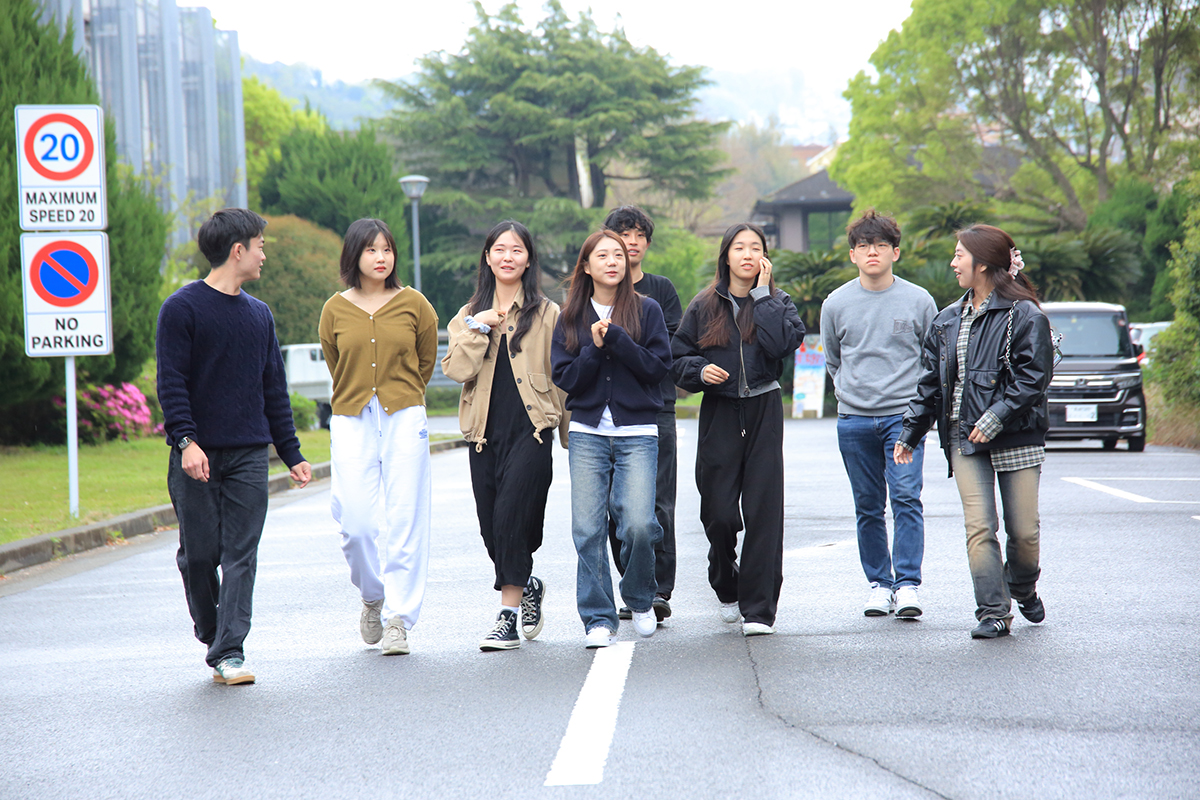
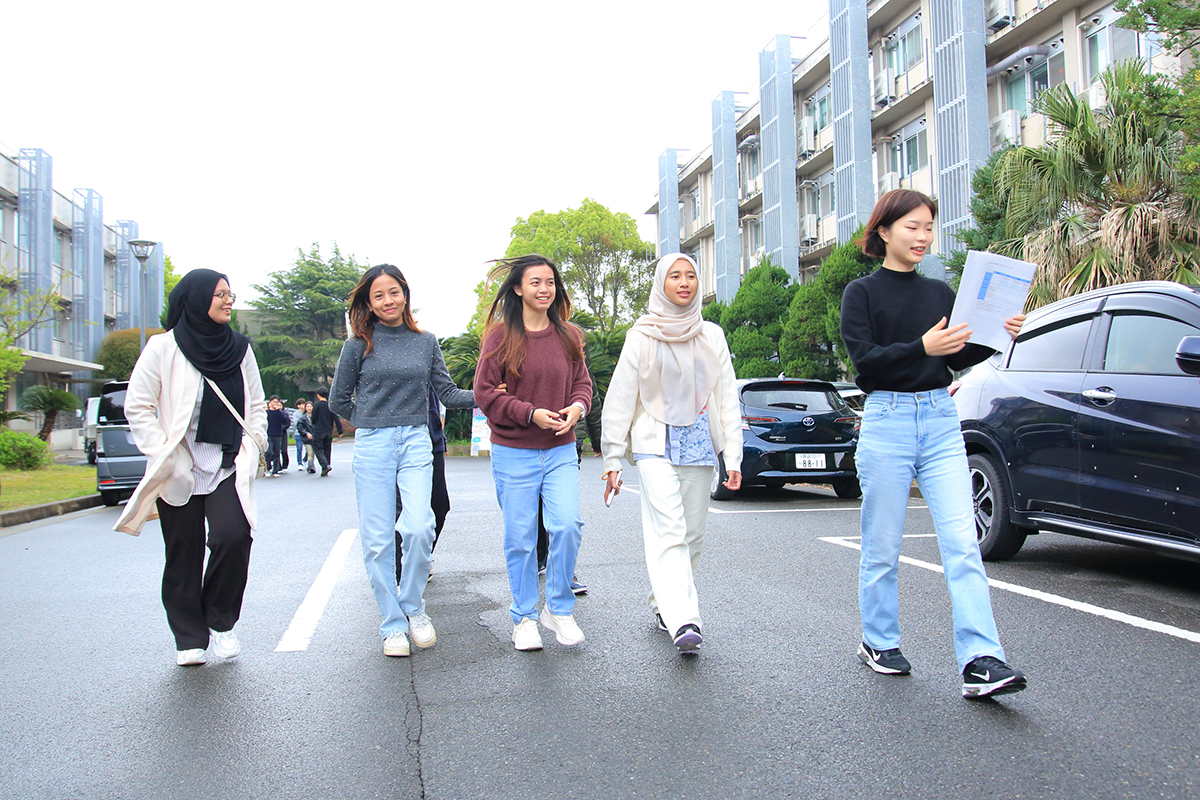
After the opening ceremony, international students and current students of Nagasaki University immediately interacted with each other. Smiles were born.


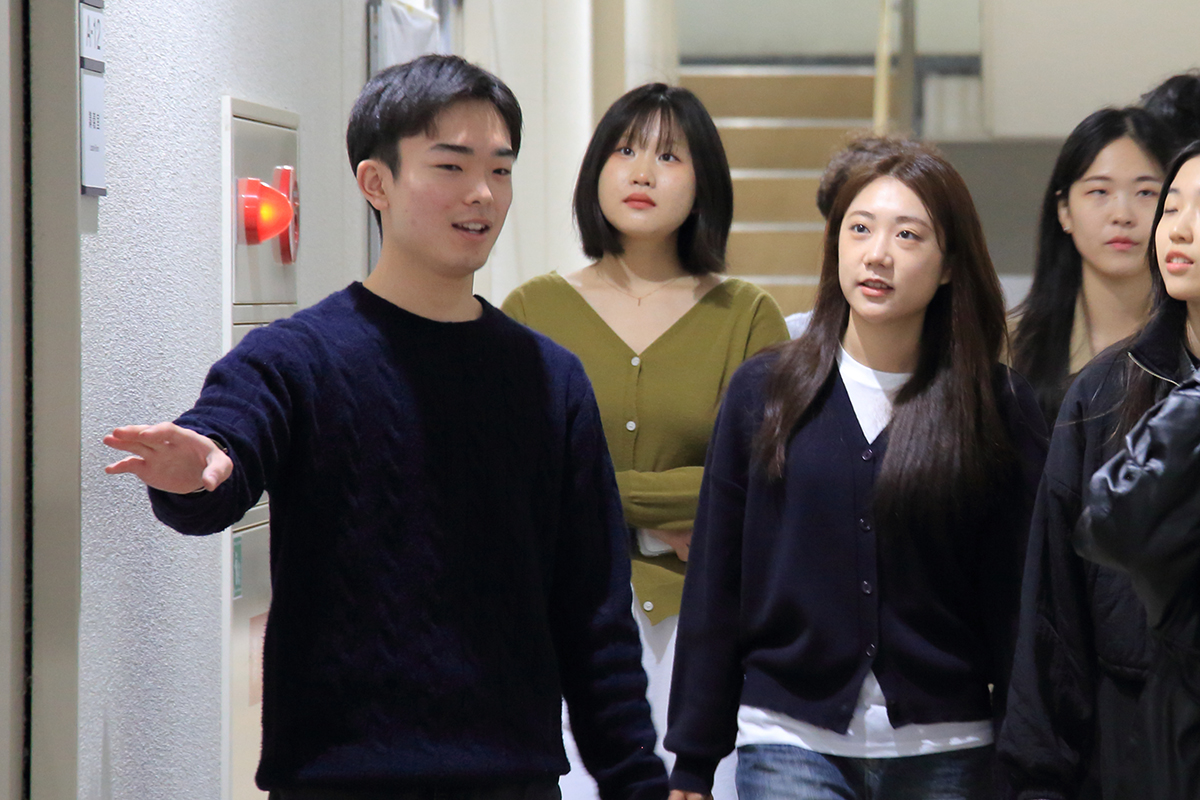
In addition, student supporters guided the students around the campus and explained the main active locations such as lecture halls, laboratories, and the library.


Over the next three months, new exchanges and learning will begin.

2025.01.30

International Cooperative Human Resource Development Program for Realizing Sustainable Asian Fisheries and Marine Environment / AFIMA Leaders Program Student Achievement Presentation 2024

In the summer of 2024, four students from Nagasaki University studied abroad in the AFIMA Leaders Program for a short period of time.

The students presented the results of their studies at Universiti Malaysia Trengganu and Pukyong National University.

Here are the contents of each presentation.


From left to right: Yudai Takahashi, Satoshi Urata, Yuko Kameyama, Shimpei Tsuchida


============================


■Studied at Pukyong National University for about 4 months

Yudai Takahashi

Graduate School of Integrated Production Sciences, Master’s Program, 1 year


” Introducing AI Technology
  Possibilities for New Seafood Processing “


I learned a lot from the shipboard training on JEJU Island, the unique manufacturing technology of low-sodium cod roe being worked on by a famous cod roe manufacturer in Busan, and a visit to a laboratory for artificial breeding of banamei shrimp. In particular, participation in the World Ocean Forum in Korea, where the keynote speaker discussed innovation and sustainable development of the marine industry using artificial intelligence (AI), helped me understand the potential of AI technology in the relationship between the ocean and humans with even higher resolution than before. I feel that my study abroad at Pukyong National University was a great opportunity for me to witness the world’s most advanced technology.


I participated in the World Ocean Forum, a gathering of researchers and industry professionals from around the world to share ocean-related concepts and present new technologies.


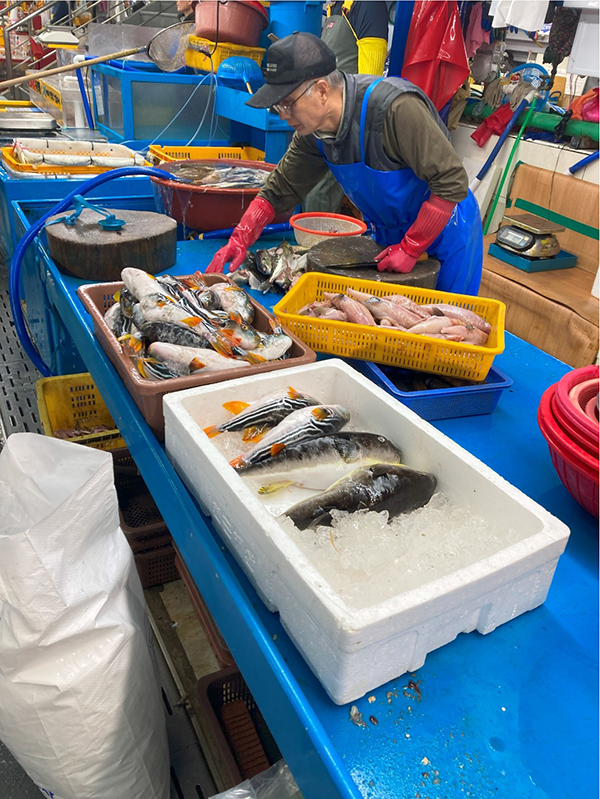
Practical training visit to Deokhwa Food, a famous mentaiko (dried young sardines) manufacturer in Busan. Succeeded in producing low-sodium cod roe using a proprietary process. The company is active in exporting its products not only within Korea but also to other countries. In Japan, Seven-Eleven and Ito-Yokado are handling the products.


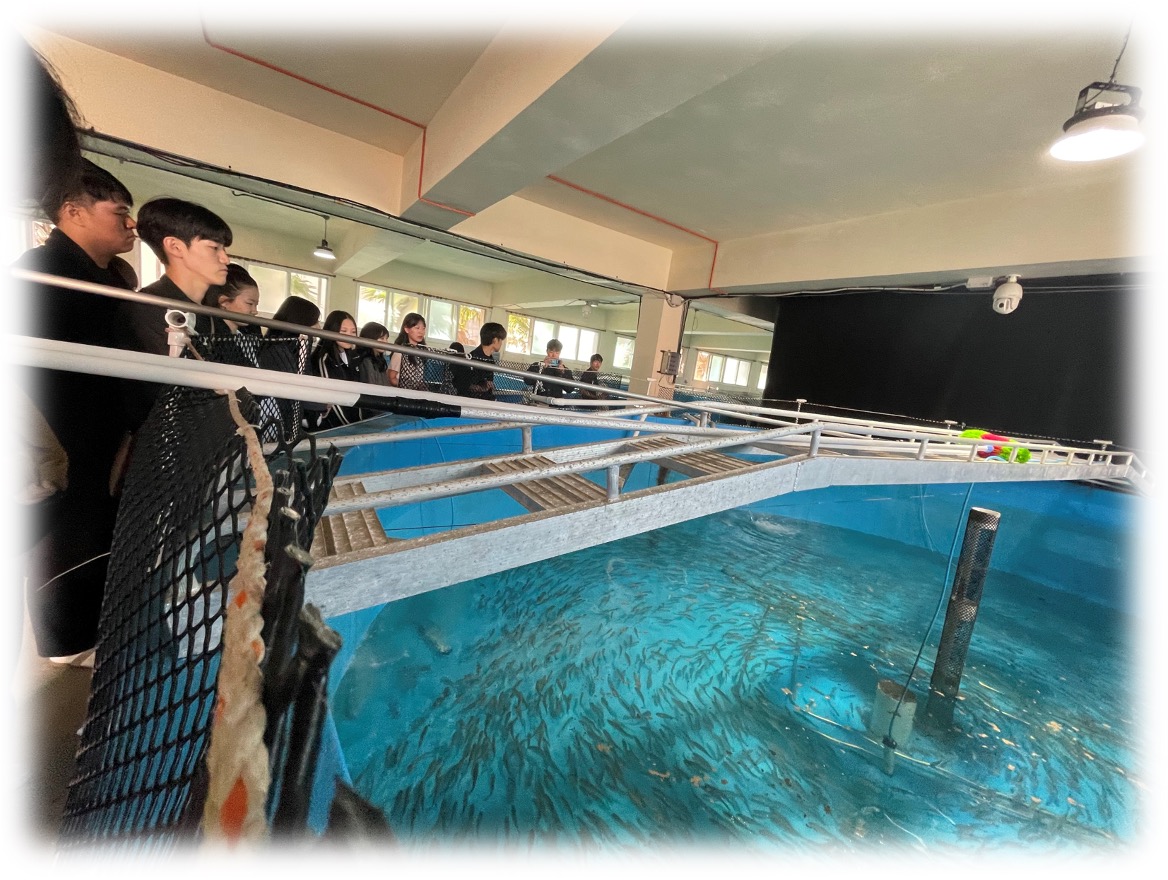
Experienced aquarium management and dissection of banamei shrimp. In the experiments on aquaculture, we realized that it is quite difficult to adjust the amount of feed to prevent cannibalism from occurring.


============================

■Studied at Universiti Malaysia Terengganu for about 3 months


Yuko Kameyama

Graduate School of Integrated Production Sciences, Master’s Program, 1 year


Shinpei Tsuchida

Graduate School of Integrated Production Sciences, Master’s Program, 1 year


Satoshi Urata

Environmental Policy Course, Faculty of Environmental Science, 2nd year


” Improving the marine environment is
  transcend national borders and should be addressed
  Global Issues “


My study abroad destination, Universiti Malaysia Terengganu, is located in the state of Terengganu on the east coast of the Malay Peninsula, a very natural place with many wild animals. I learned about marine microbiology, project planning, and how remote sensing technology works.


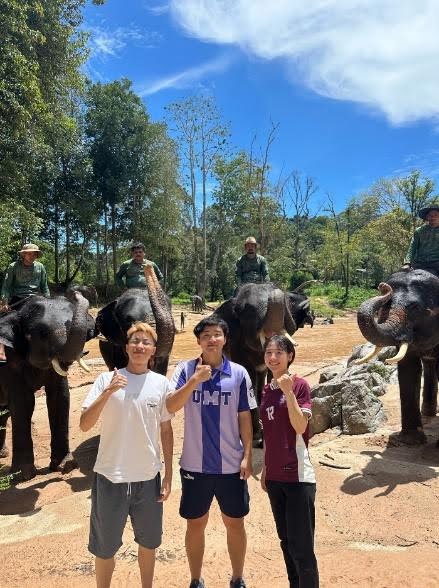
Commemorative photo with a powerful elephant.


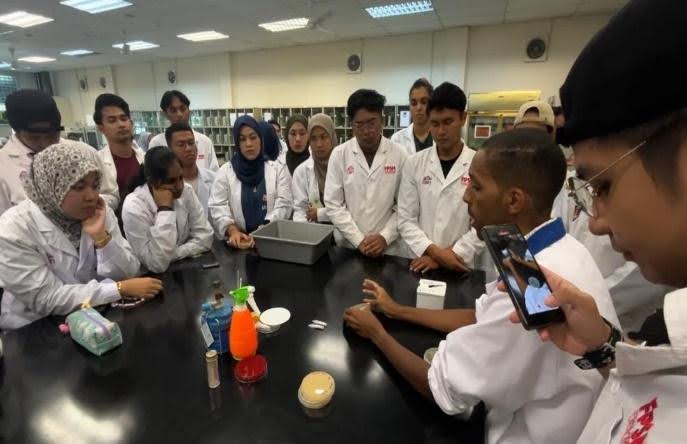
Microorganism culture experiments. There is a similar microbiology class in the fisheries department, but we talked about antibiotics, which we didn’t do much of there.


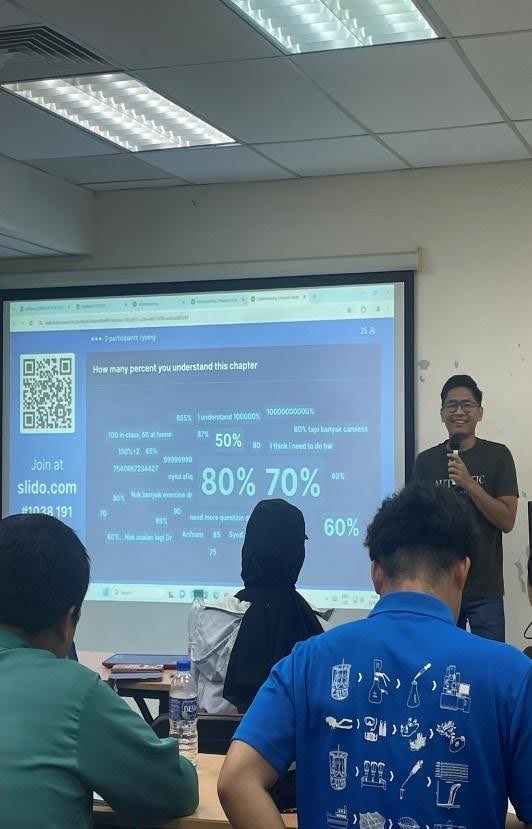
Project Planning was a comprehensive class to learn how to plan for any project.


For the breeding experiment of the colorful and beautiful tropical fish “betta,” I went to the breeding laboratory from morning to night every day to conduct experiments to see if the color and shape of the betta changed depending on the amount and type of food.


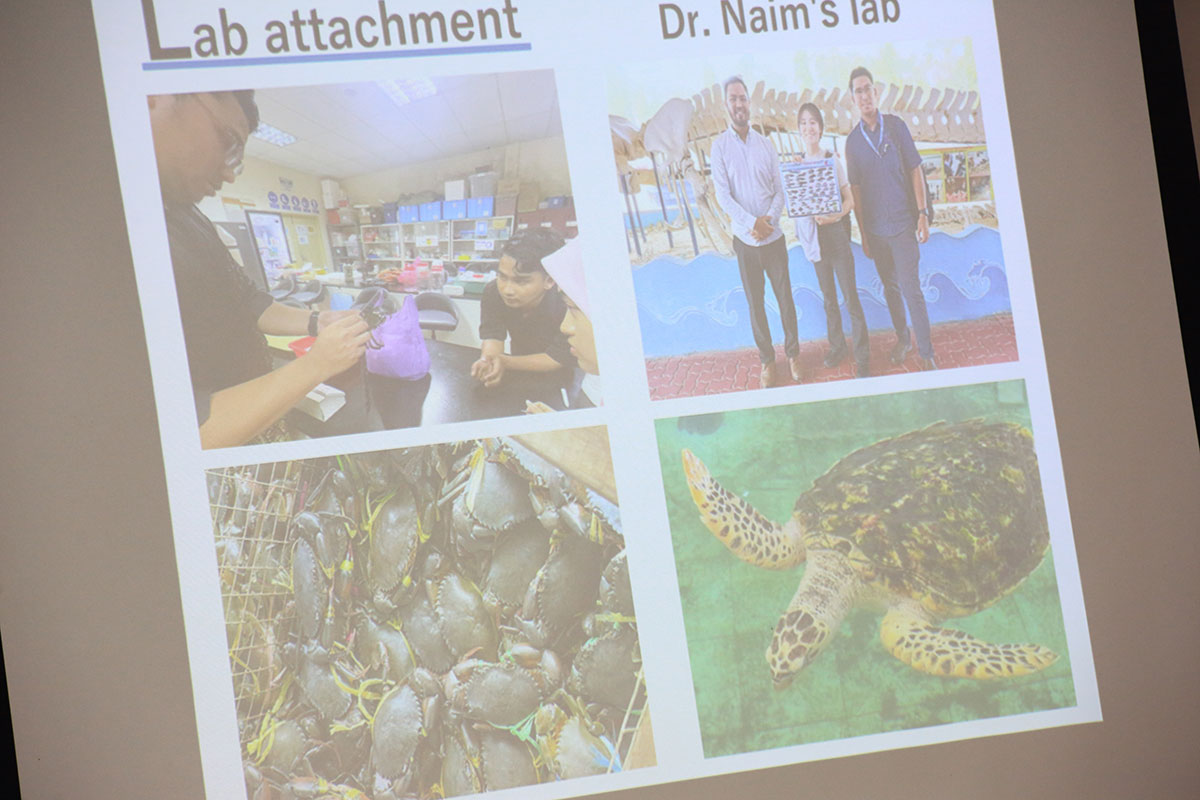
In Dr. Naim’s lab, we learned techniques for mapping data on the marine life that inhabits the area using ARCGIS, an advanced geographic information system.


I also participated in the practical training to the island of Bidong. I will never forget the good times we had on the island.


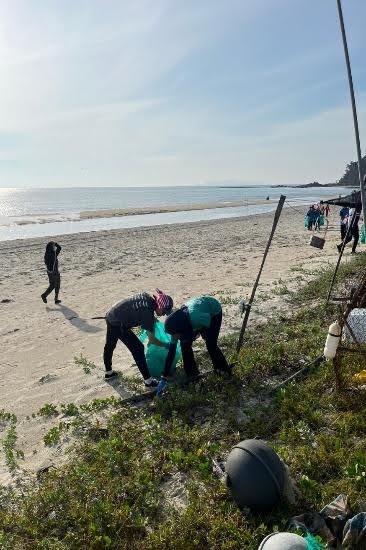
Since marine debris washes up on the beach, everyone cleaned up the beach.


There is also a day trip to the island of Rudang. I was amazed at the beauty of the beaches.


Cleaning up the beaches with local people and talking with students through classes and practical training made me realize that improving the marine environment should go beyond national borders. In addition, the opportunity to live in the state of Terengganu, Malaysia, a place rich in nature where wild animals are always close at hand, has strengthened my awareness of the natural environment. Furthermore, by living in an area with a strong Islamic culture, I was able to learn important things for global activities, such as understanding different cultures and acting with respect.


Thank you!

2024.10.24

Ocean University of China (OUC)  On-site meeting

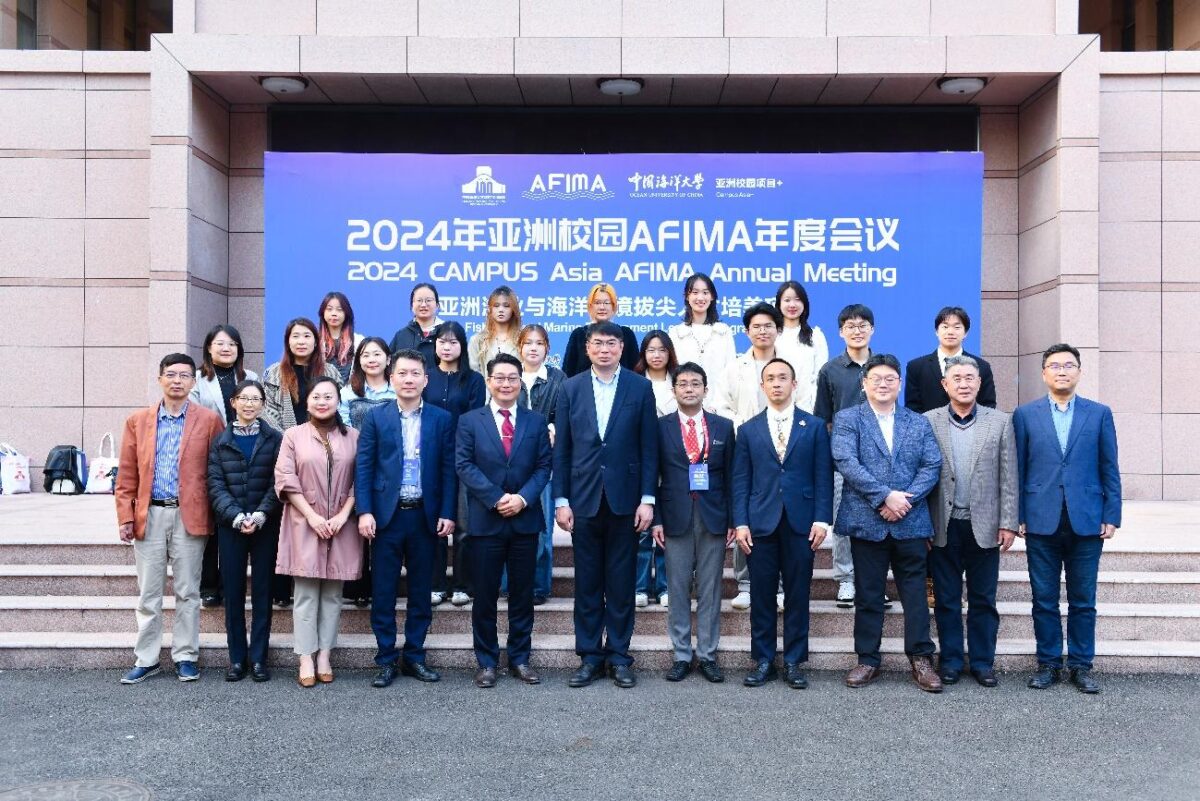
On October 24, 2024, this year’s AFIMA Leaders Program On-site Meeting was held at the Yushan Campus of Ocean University of China (Qingdao). Representatives from Ocean University of China, Pukyong National University, and Nagasaki University gave presentations on the results of last year’s and this year’s host programs, and a pre-recorded presentation from Universiti Malaysia Terengganu was also broadcast. From Nagasaki University, Dean Sakakura, Associate Professor Han and Associate Professor Satou participated in the event, presenting their achievements and exchanging gifts.


This meeting was held in conjunction with the 100th anniversary celebration of Ocean University of China, and an international conference called the Global Conference on Ocean Cooperation and Development was held on the morning of October 24, with keynote speeches and a joint declaration by several domestic and foreign researchers. Several Japanese and foreign researchers delivered keynote speeches and presented the Joint Declaration. On the following day, the 25th, the 100th anniversary ceremony was grandly held at the Ocean University of China’s Yushan campus. President Nagayasu Takeshi of Nagasaki University was also present at both events, and we were able to deepen exchanges with fisheries universities from around the world.

2024.06.26

AFIMA Leaders Program 2024 Closing Ceremony of Nagasaki University 2024


On Wednesday, June 26, 2024, the closing ceremony for the AFIMA Leaders Program Short-Term Host Program was held at Nagasaki University’s Yokoku Shi Koryu Kaikan.


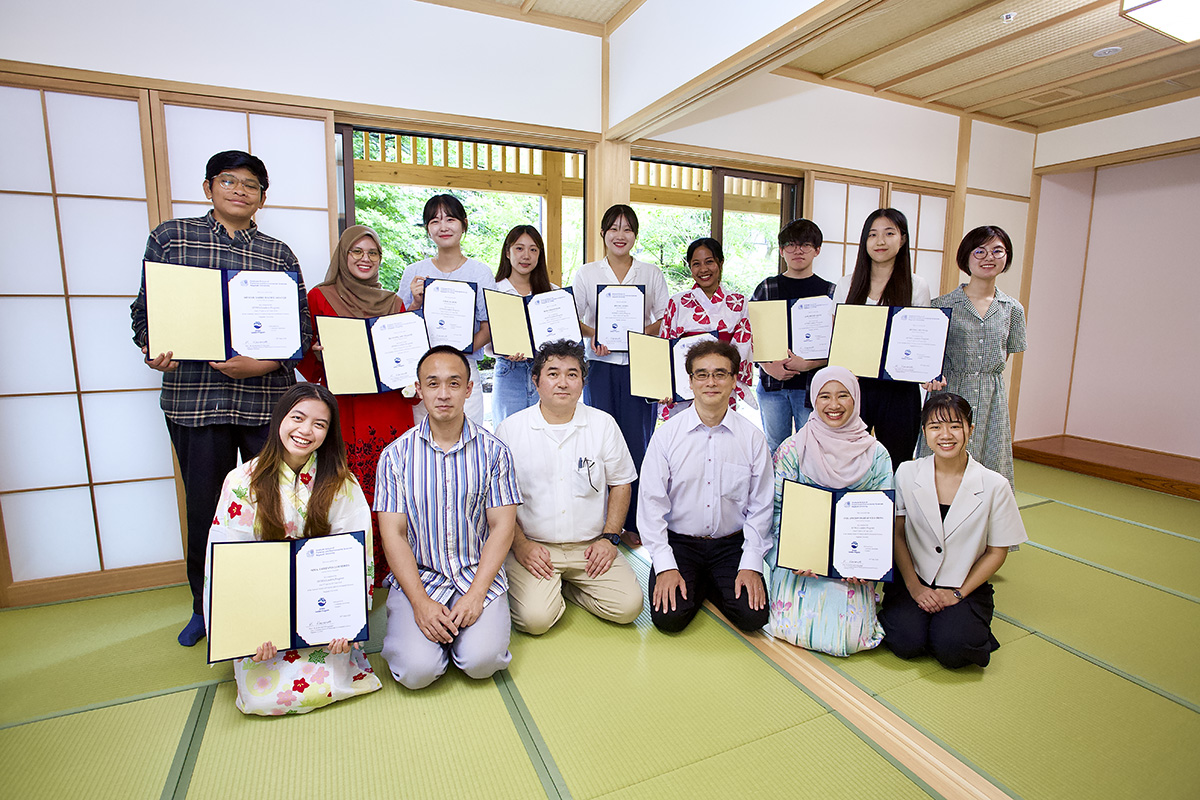
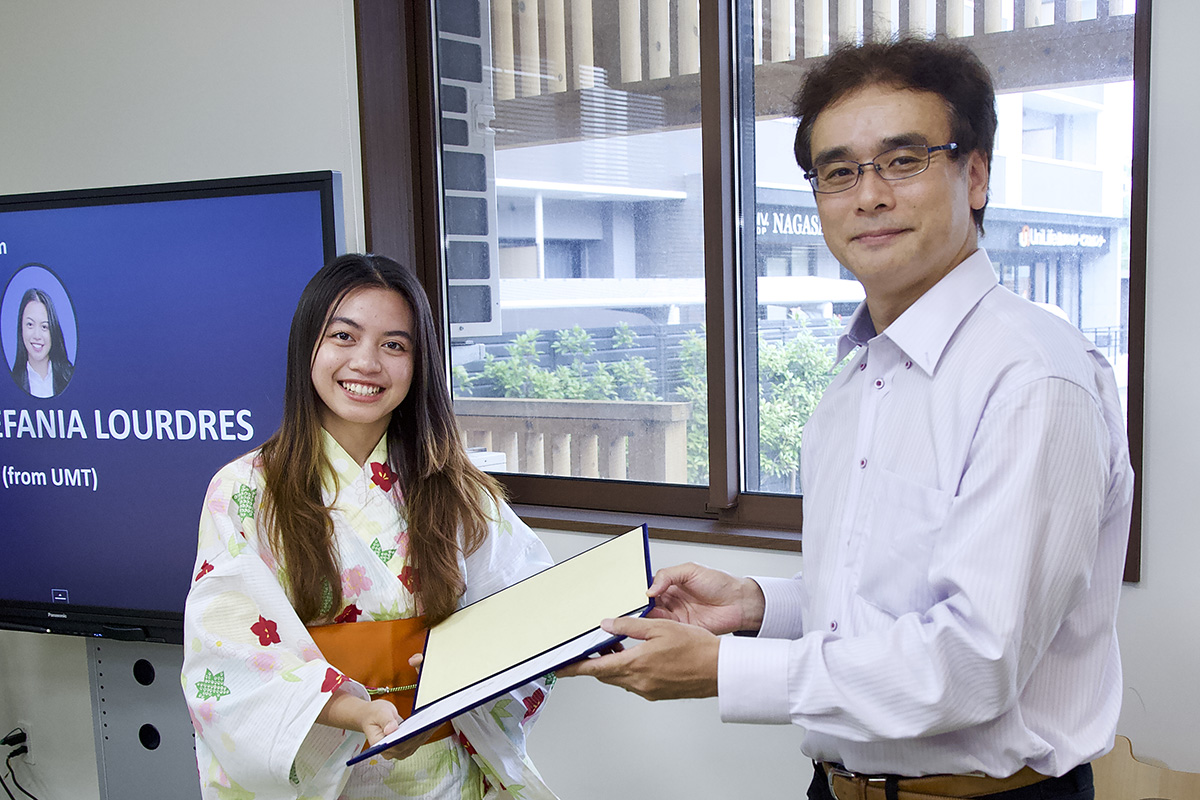
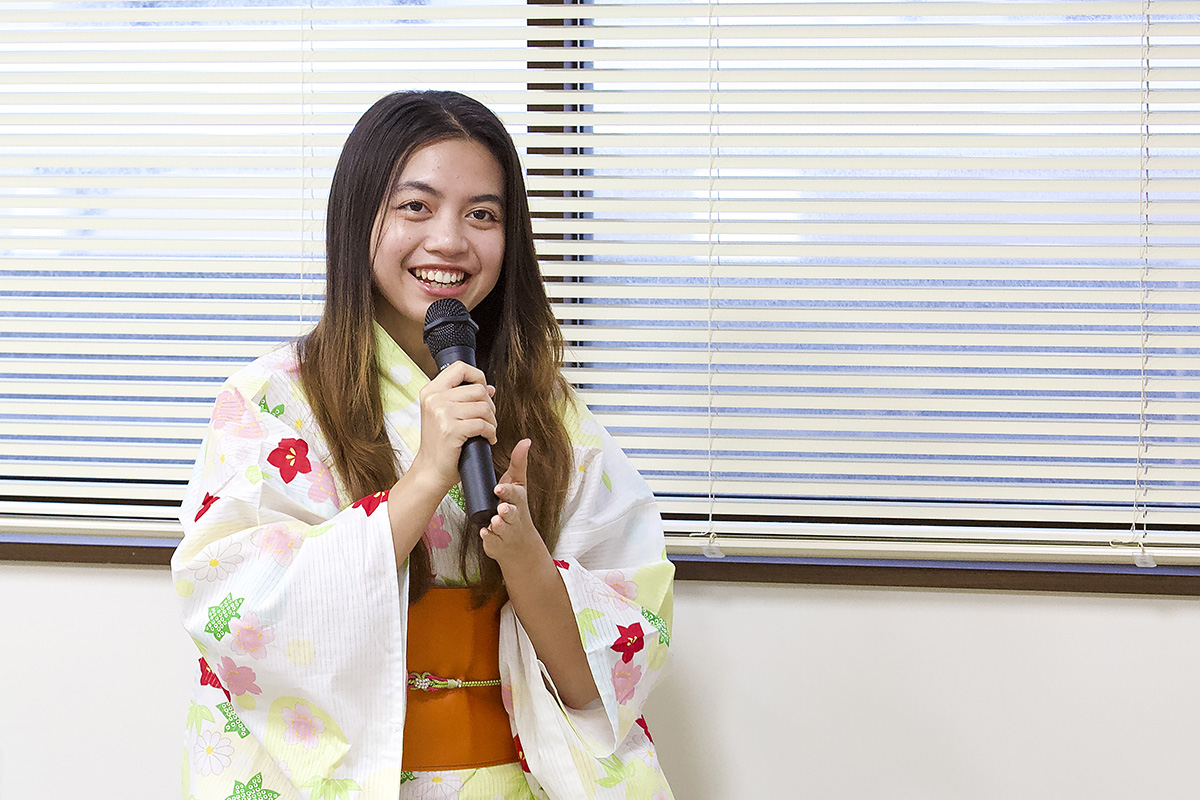
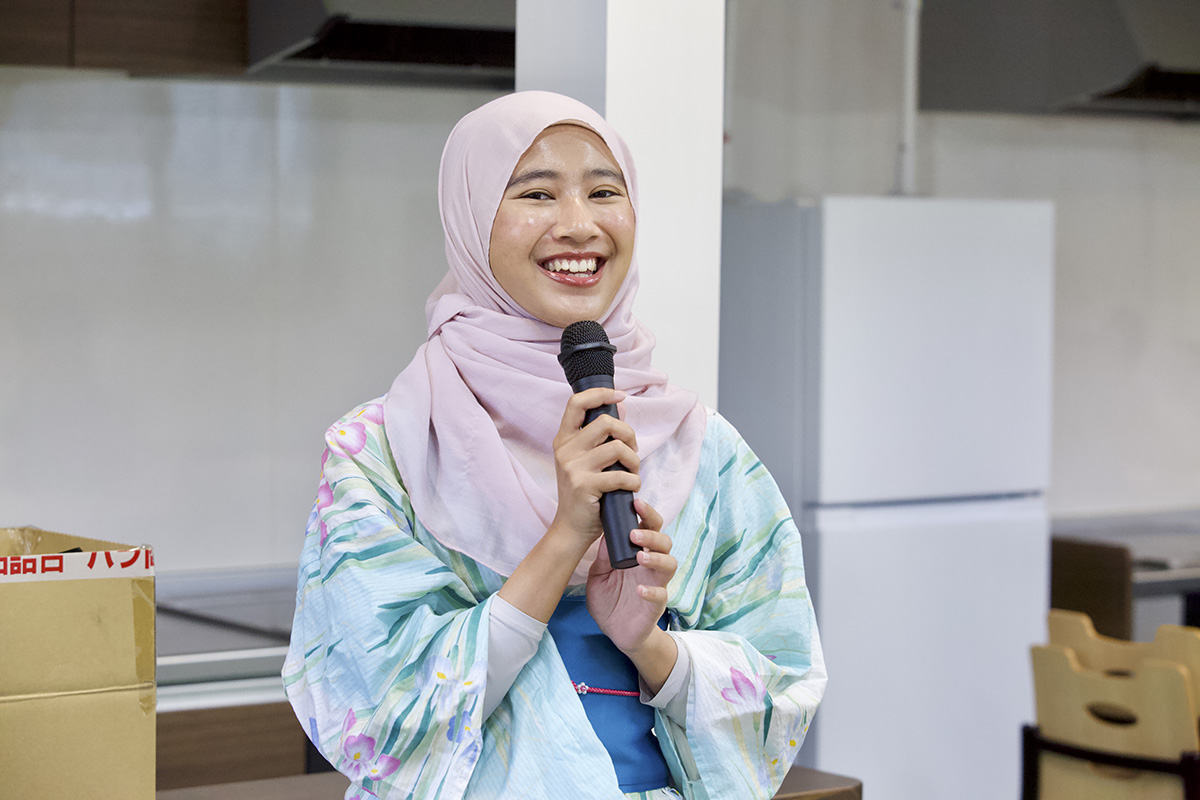
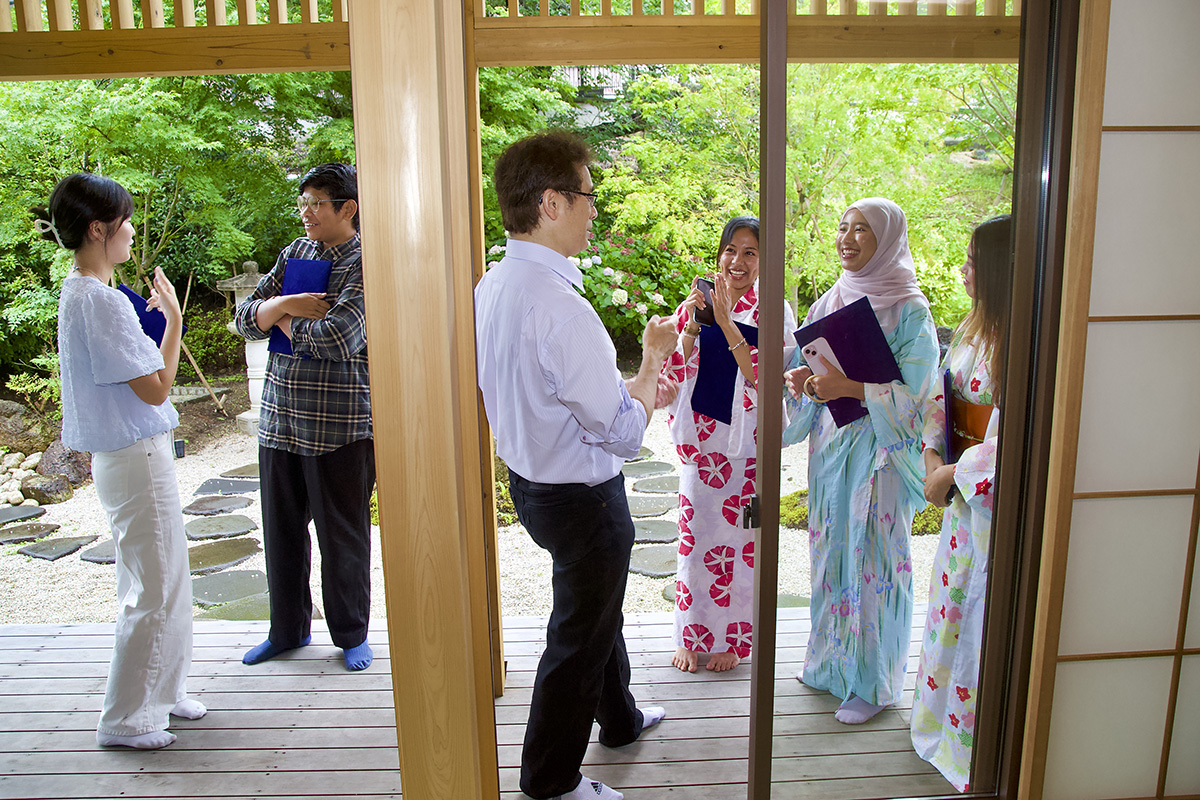
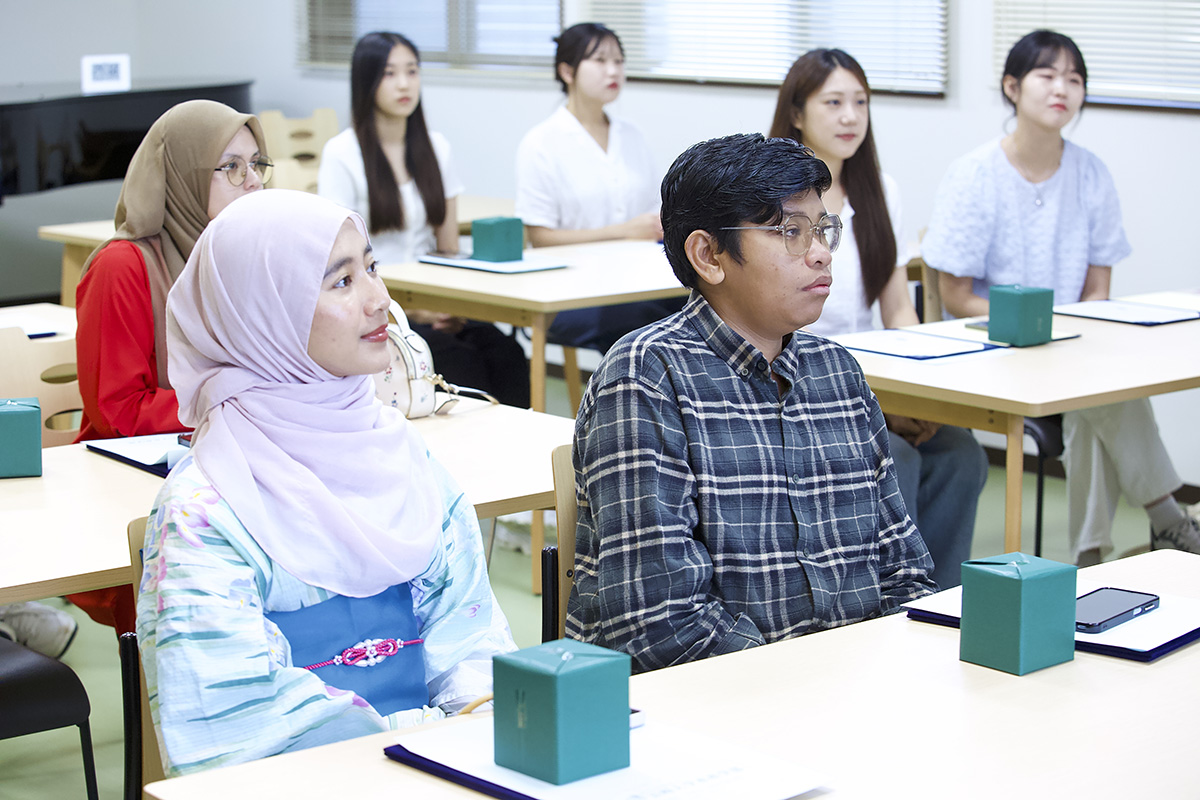
Unfortunately, it was raining on the day of the ceremony, but it turned out to be a cheerful and heartwarming event, with students dressed in colorful yukata (light cotton kimono) and students from our graduate school who had interacted with AFIMA program alumni attending the ceremony on a voluntary basis.


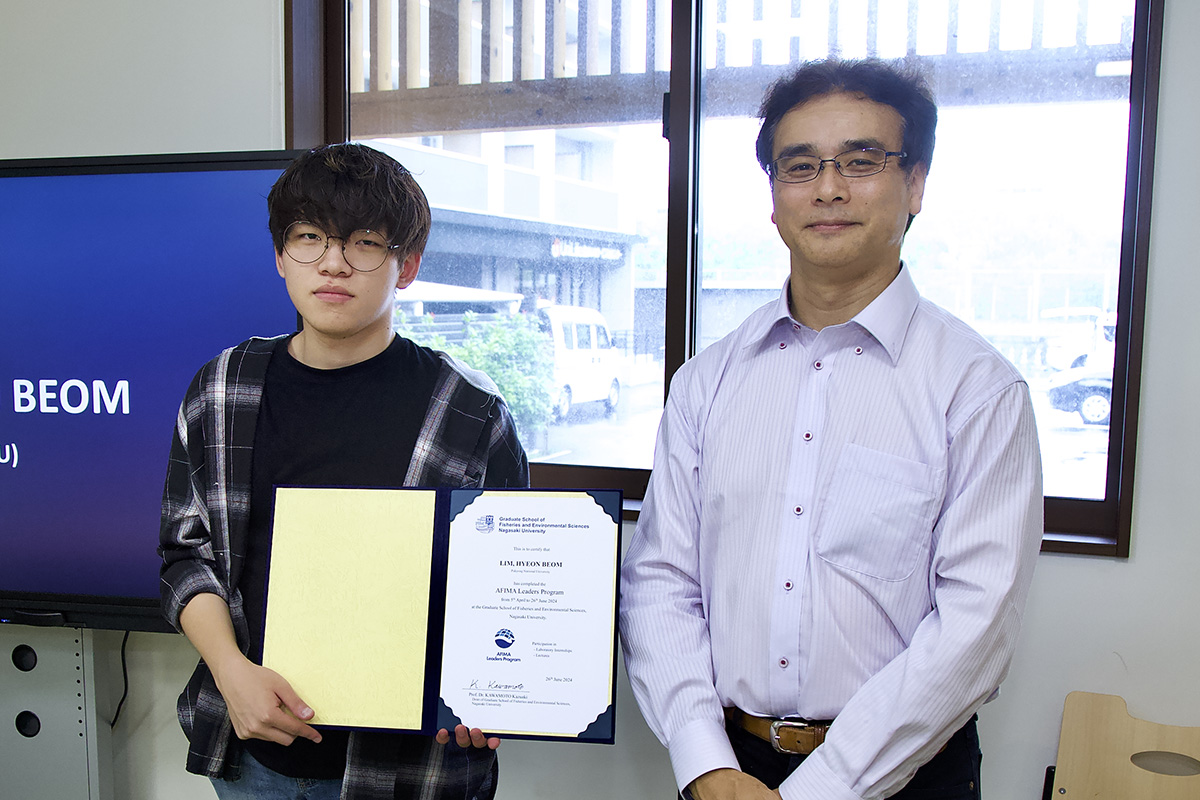
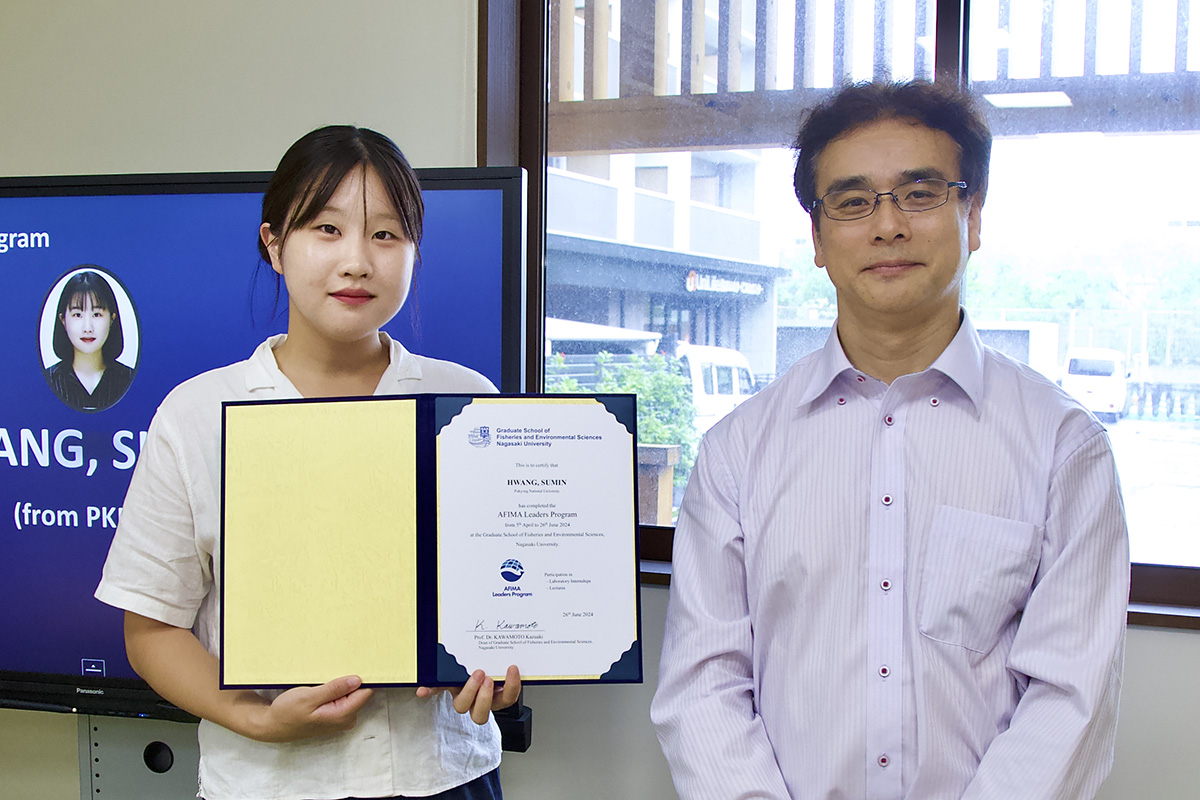
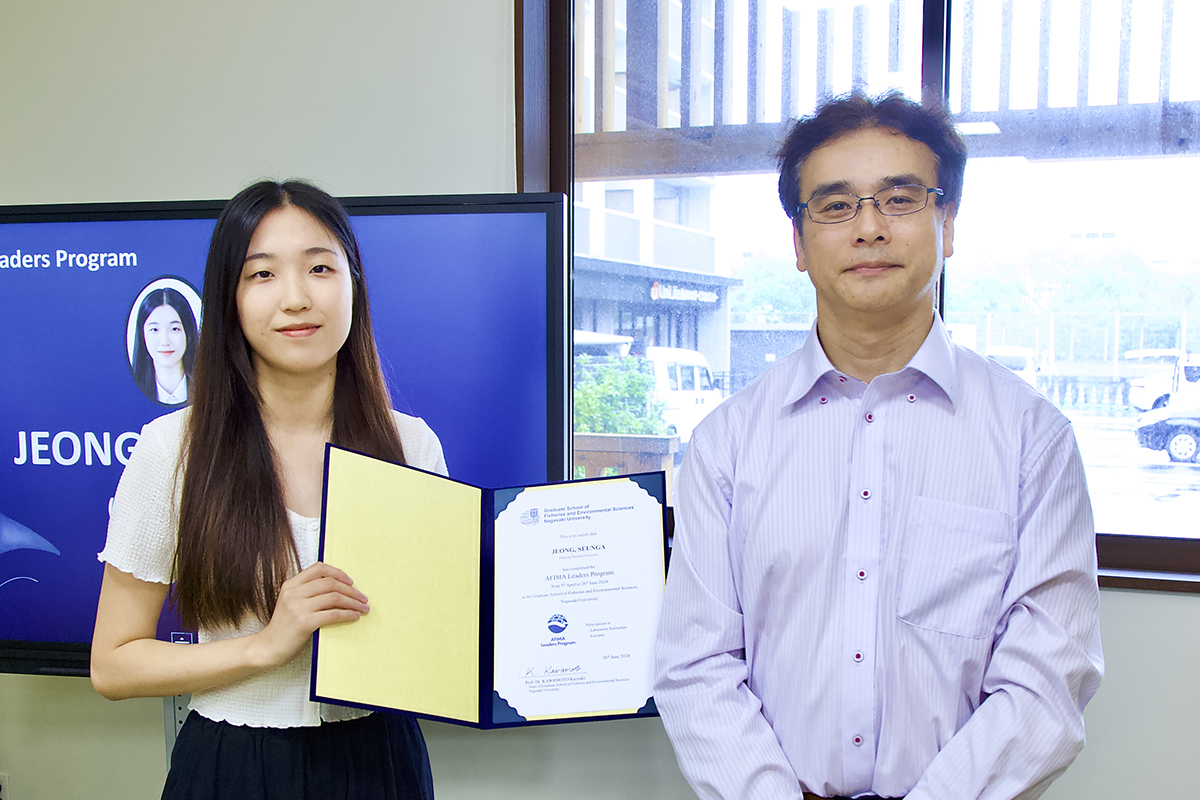
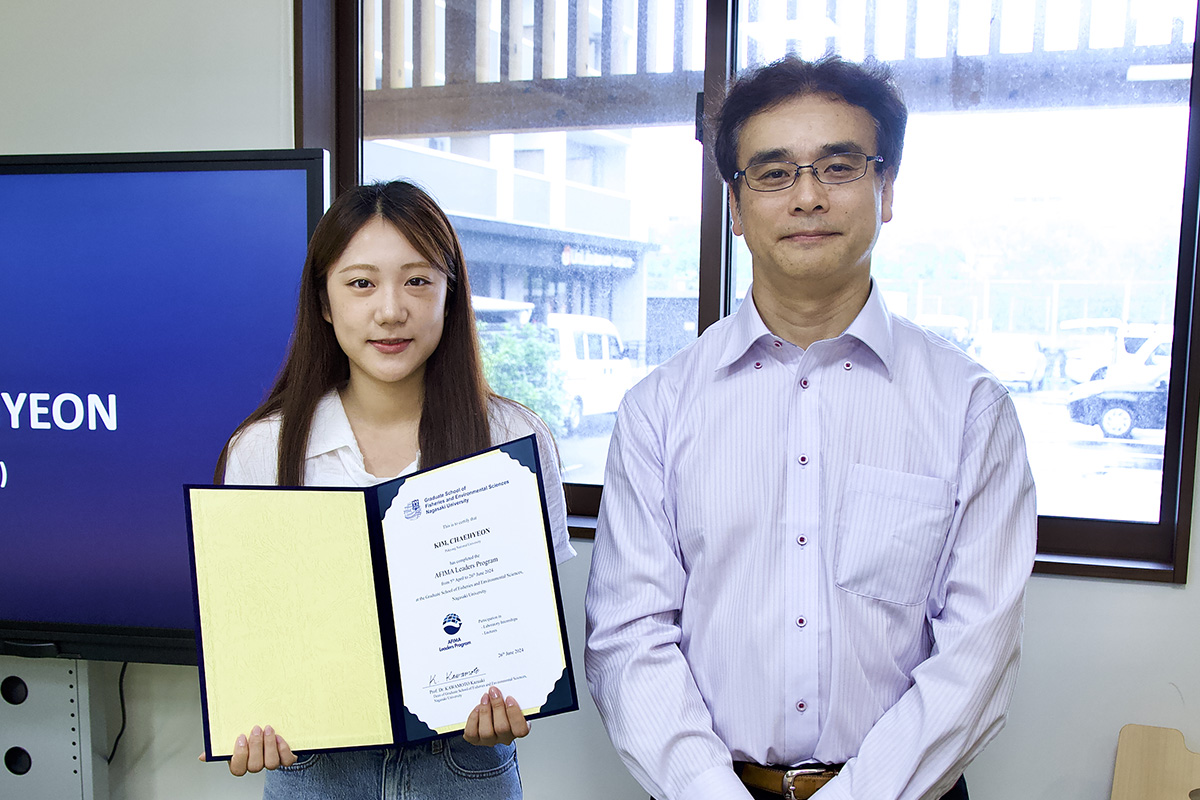
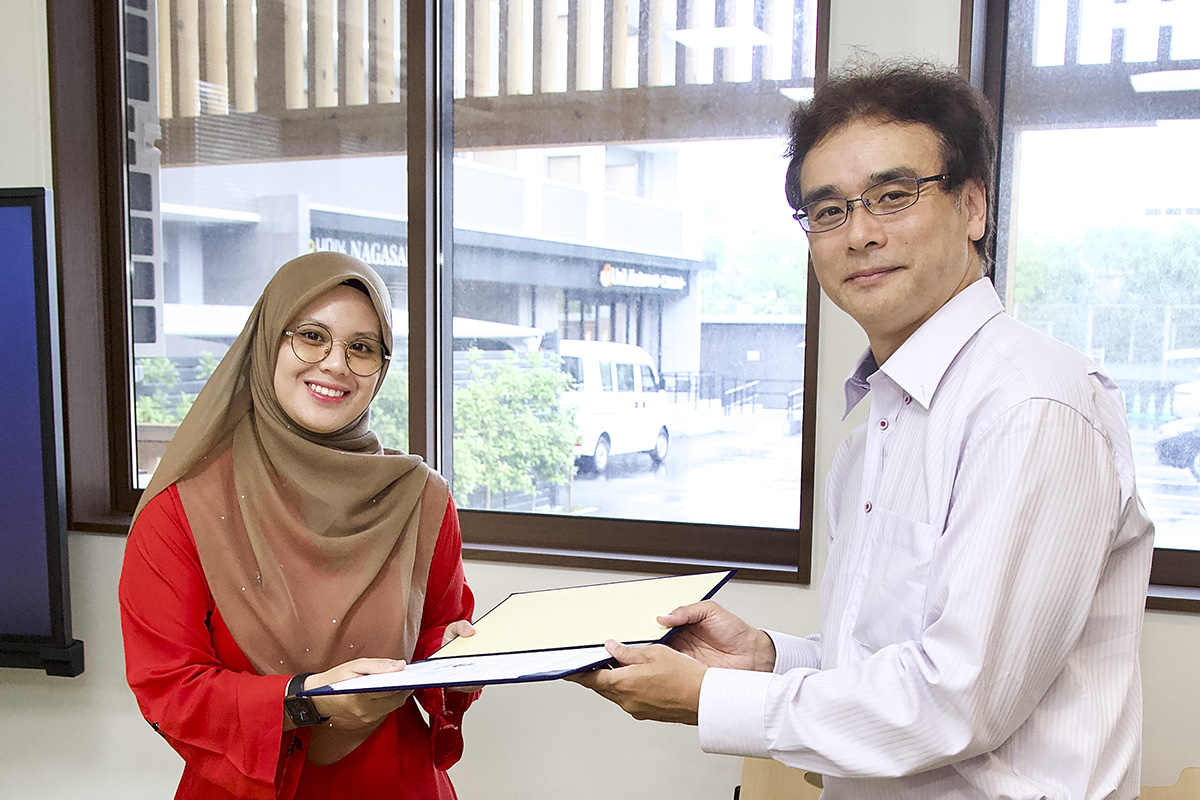
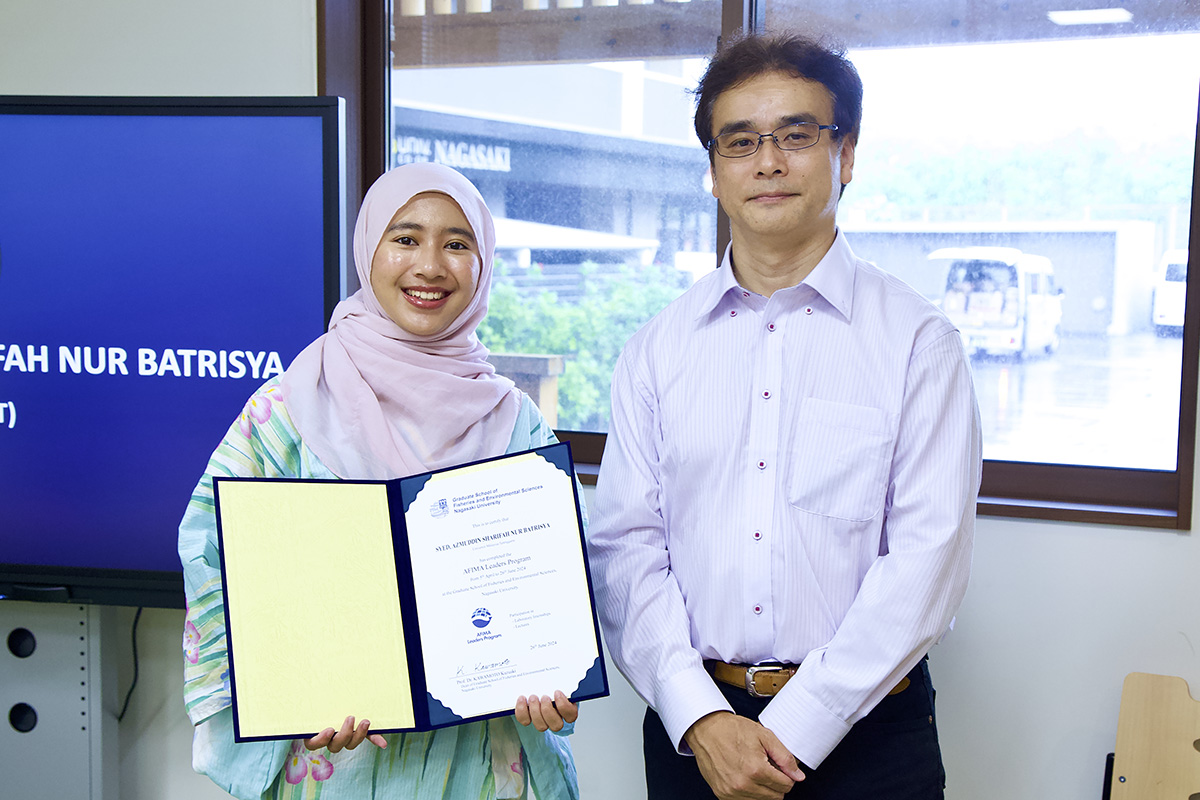
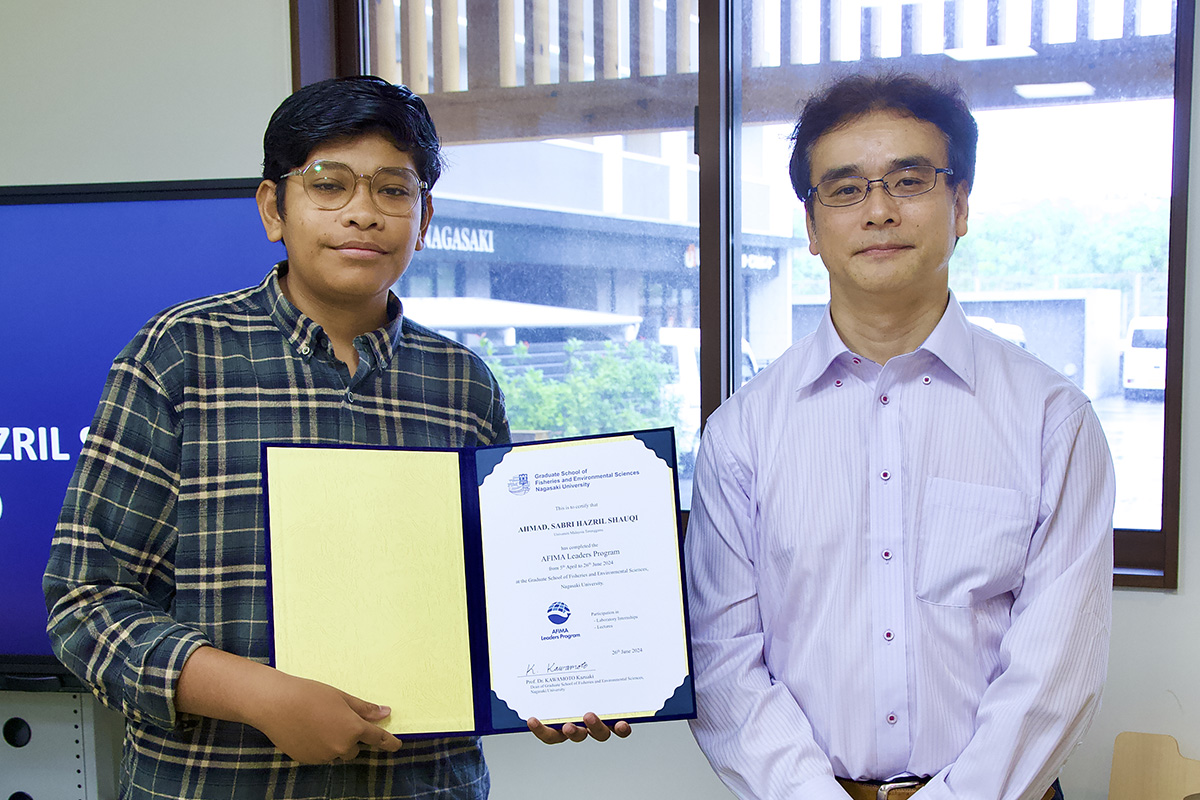
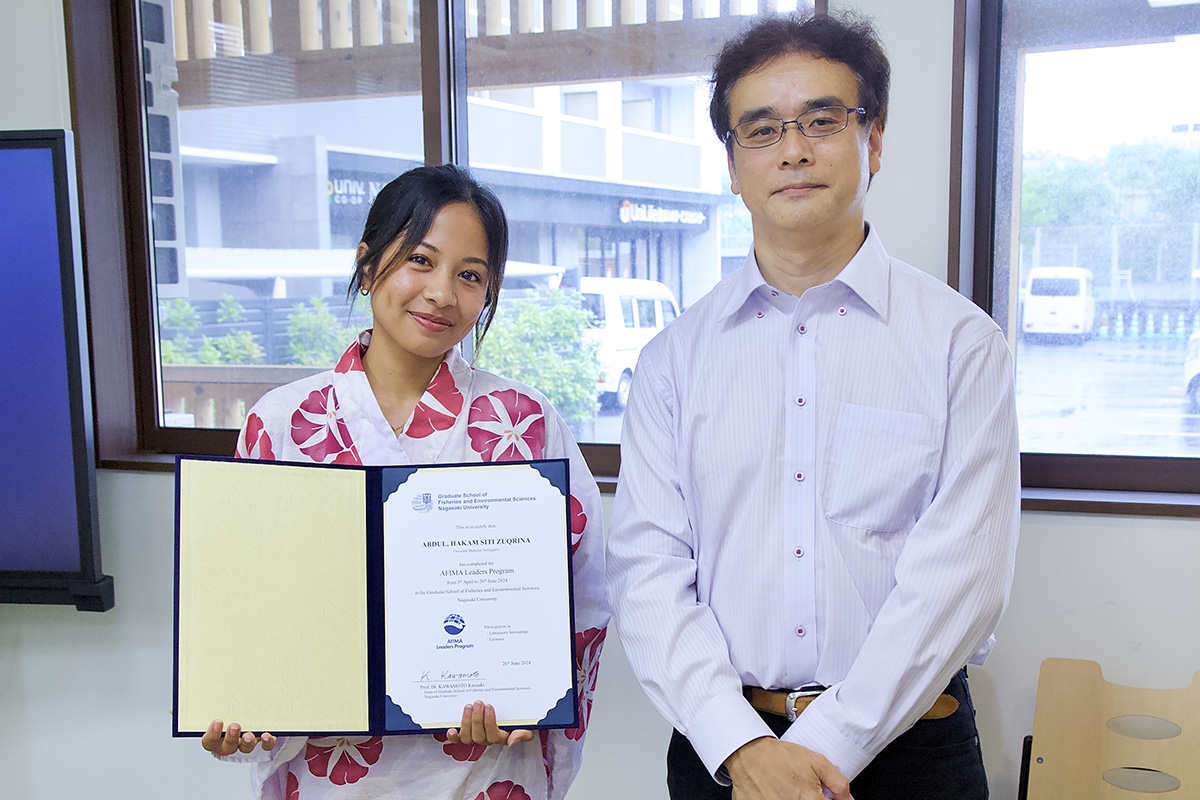
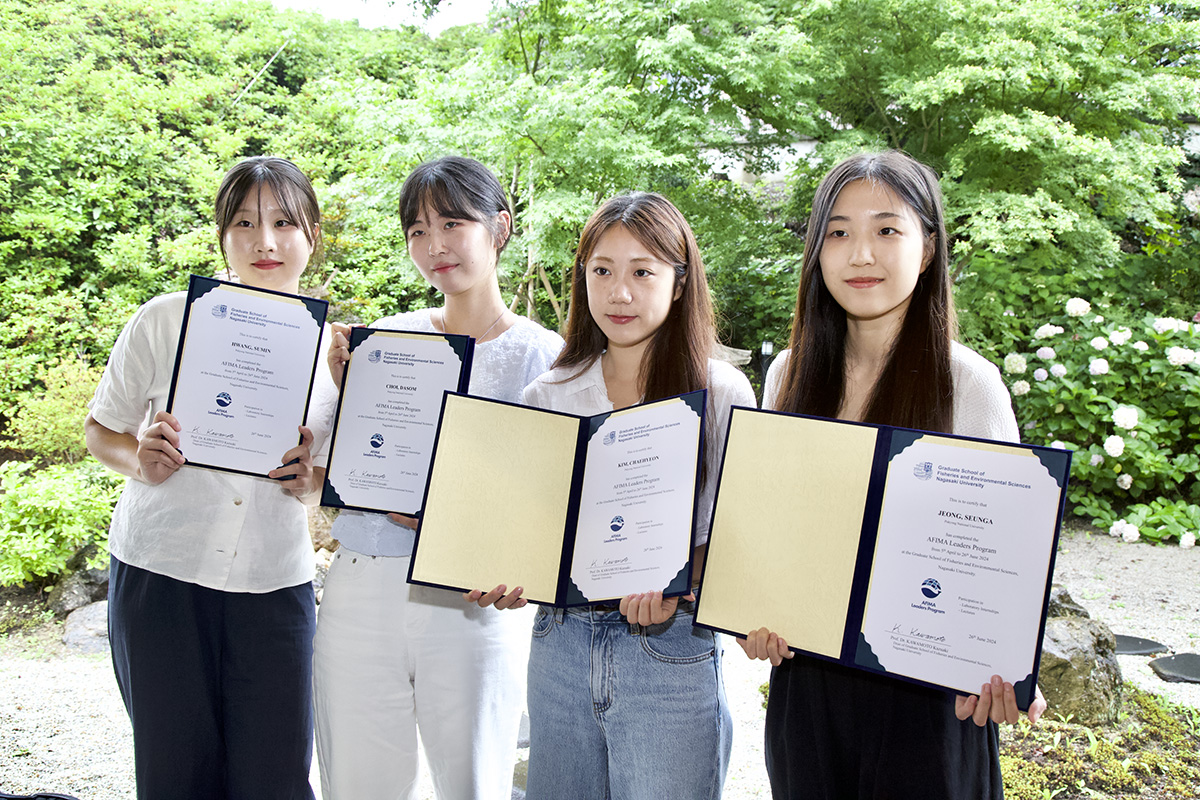
As Professor Kazuaki Kawamoto handed each student a diploma and a commemorative gift while addressing them individually, the 10 students broke into refreshing smiles.


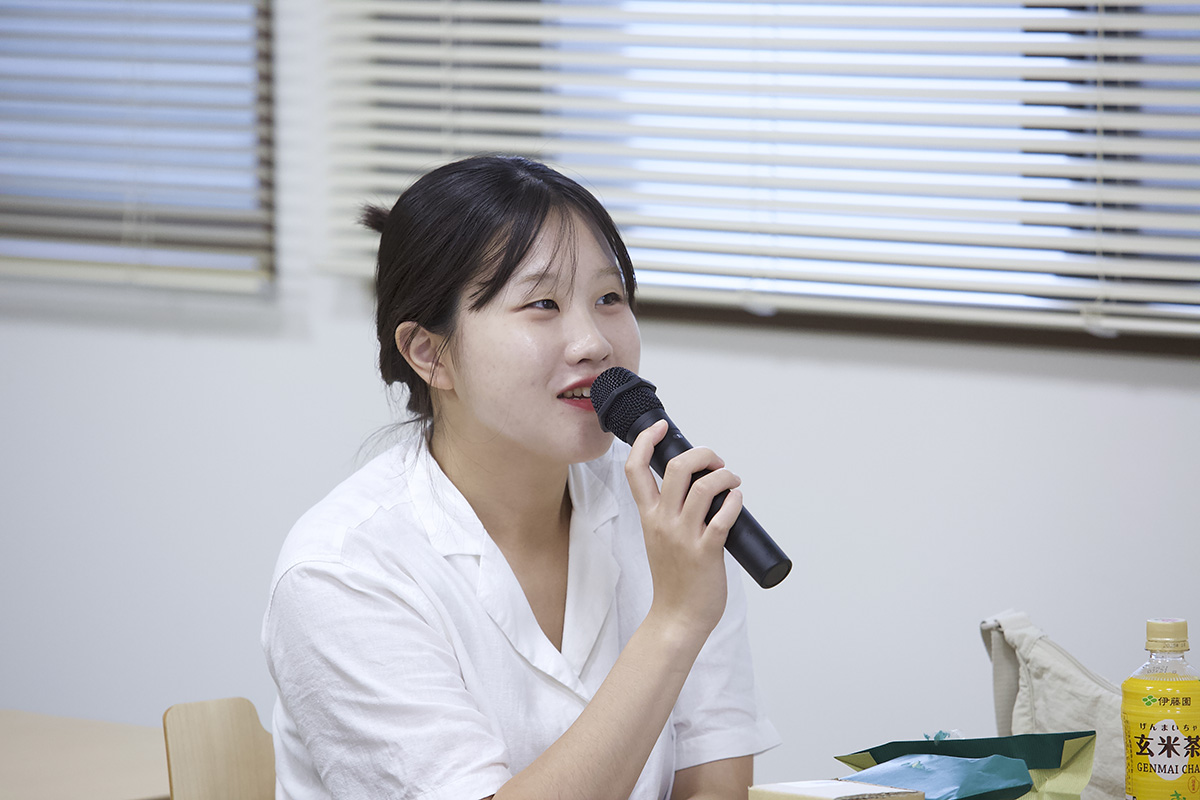
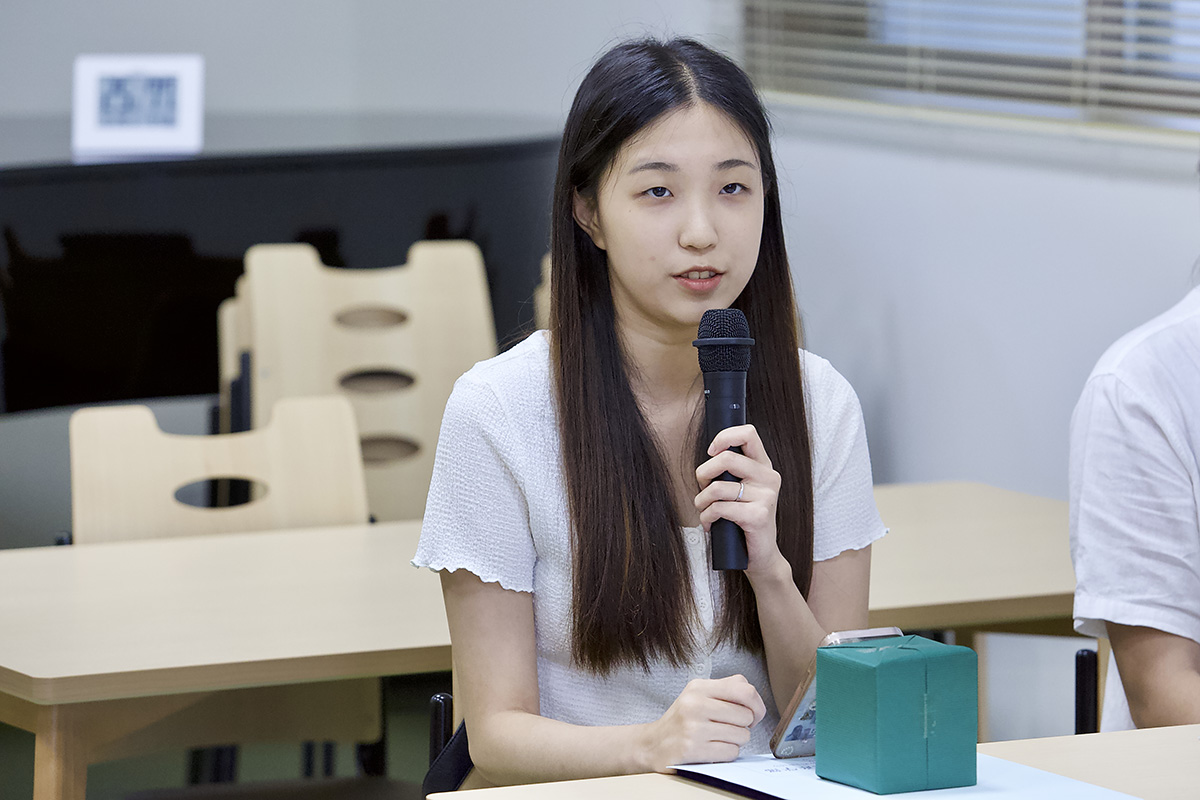
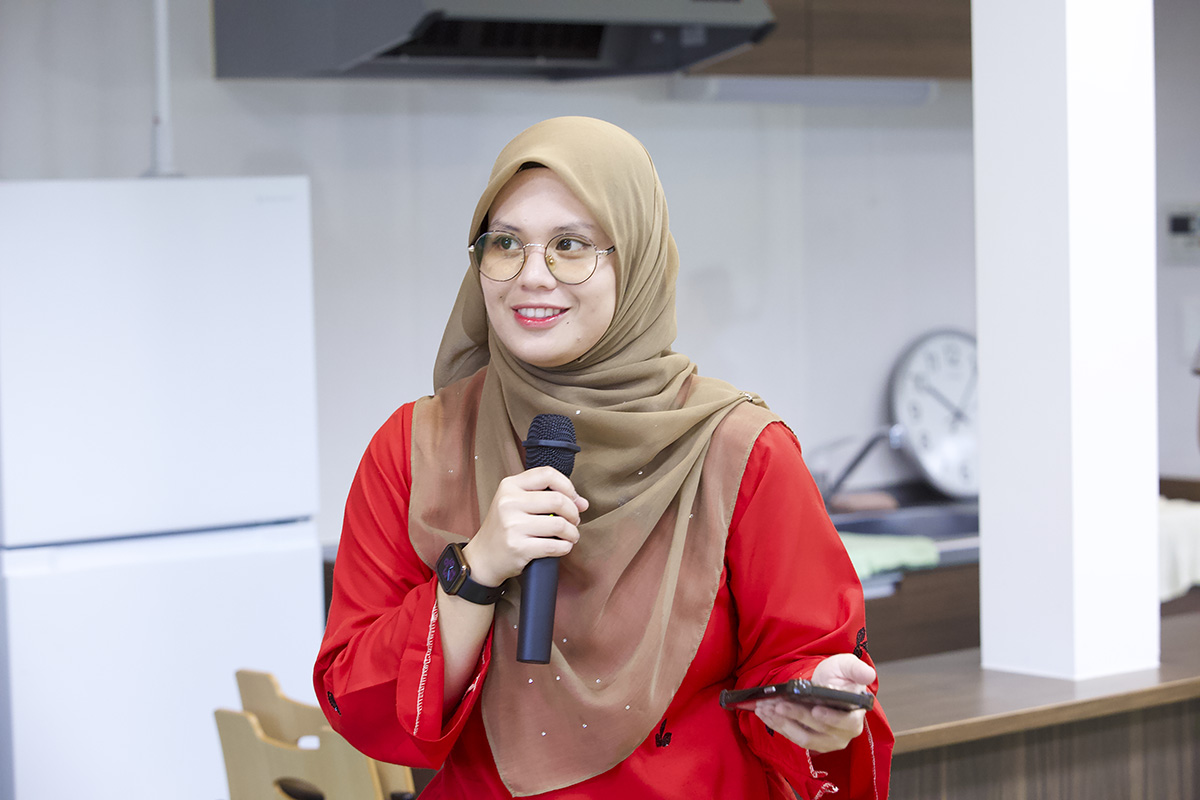
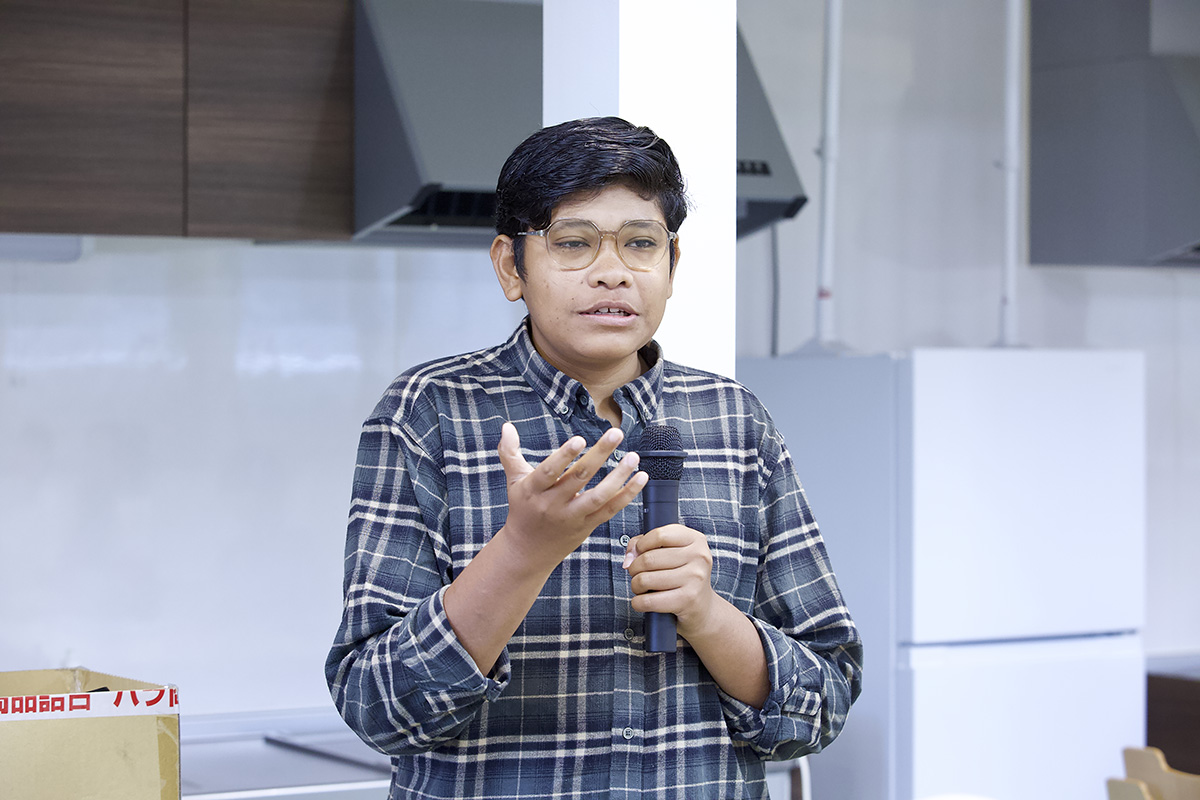
After the award ceremony, they each gave a short speech, thanking their teachers and others involved and sharing their memories of the three months.


Students looking mysterious during the awarding ceremony


◾️Hyeonbeom LIM Pukyong National University

I was very happy to be able to participate in this program. Shopping at commercial facilities in front of Nagasaki Station and being able to participate in an ice cream festival (Aipaku) and eating ice cream together are good memories of Nagasaki.


◾️Sumin HWANG Pukyong National University

Thank you very much for all your support. I was happy to be able to participate in this program. The lectures were difficult at first, but I tried to understand as much as possible and answer questions from the professors. It was a valuable experience in my life.


◾️Seunga JEONG Pukyong National University

I had a very good experience in Japan. When we went out to sea for practical training, the weather was bad and I got seasick, but that is also a good memory. I think we have built a very good relationship with everyone through this program. I would like to express my sincere gratitude to all those involved for giving me unforgettable memories and wish you all the best.


◾️Chaehyeon KIM Pukyong National University

This program has given me great joy and experience in my life. The academic lectures were excellent, incorporating interesting activities and providing suggestions on a variety of topics.


◾️Dasom CHOI Pukyong National University

I am truly grateful for the invaluable relationships I have built with my teachers and friends. These three months have been an unforgettable experience in my life so far. I would like to participate again if given the chance.


◾️Estefania Lourdres SIMA Universiti Malaysia Terengganu

I would like to express my heartfelt thanks to my teachers, Korean friends, and Japanese friends who have taken care of me. The training in Kamigoto was particularly impressive. I am grateful to Nagasaki University for giving me the opportunity to search for my future.


◾️Siti Hajjar MUSTAPA Universiti Malaysia Terengganu

I am sincerely grateful to Professor Kawamoto and the other professors, as well as the university staff who took care of me. Japan is punctual, so I tried my best every time not to be late for lectures. I would like to make the most of this experience in the future.


◾️Sharifah Nur Batrisya SYED AZMUDDIN Universiti Malaysia Terengganu

Today is the last day of the program. I want to say “thank you” to the teachers and friends I learned with. I would love to participate in such a wonderful opportunity again.


◾️Hazril Shauqi AHMAD SABRI Universiti Malaysia Terengganu

Thank you to all who have given me this opportunity to be here. I would also like to thank my wonderful Korean friends whom I have become good friends with. The special two-week training period is especially memorable. I will never forget Nagasaki University.


◾️Siti Zuqrina ABDUL HAKAM Universiti Malaysia Terengganu

I am fortunate to have been able to participate in this program. I had a wonderful time and experience thanks to you and your teachers. We believe that we can join forces for the future.


Students listen to Prof. Kawamoto’s speech with serious eyes


Finally, Professor Kazuaki Kawamoto presented a message to the students who completed the AFIMA Leaders Program 2024.


“Our mission is to share and learn technologies for the future and contribute to sustainable fisheries. Please continue to challenge yourself towards the next generation. The future is in your hands.”
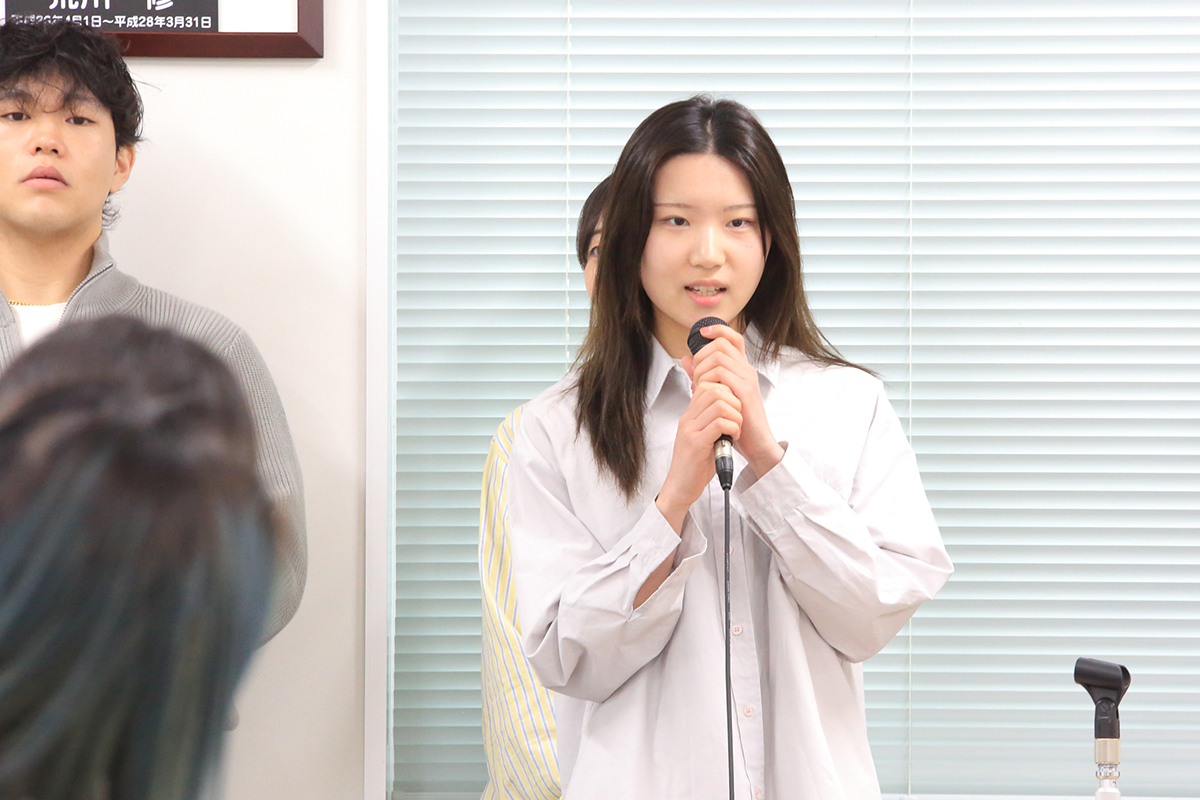
 

Students with smiles on their faces after successfully completing the program.


Students discussing memories of the three months.


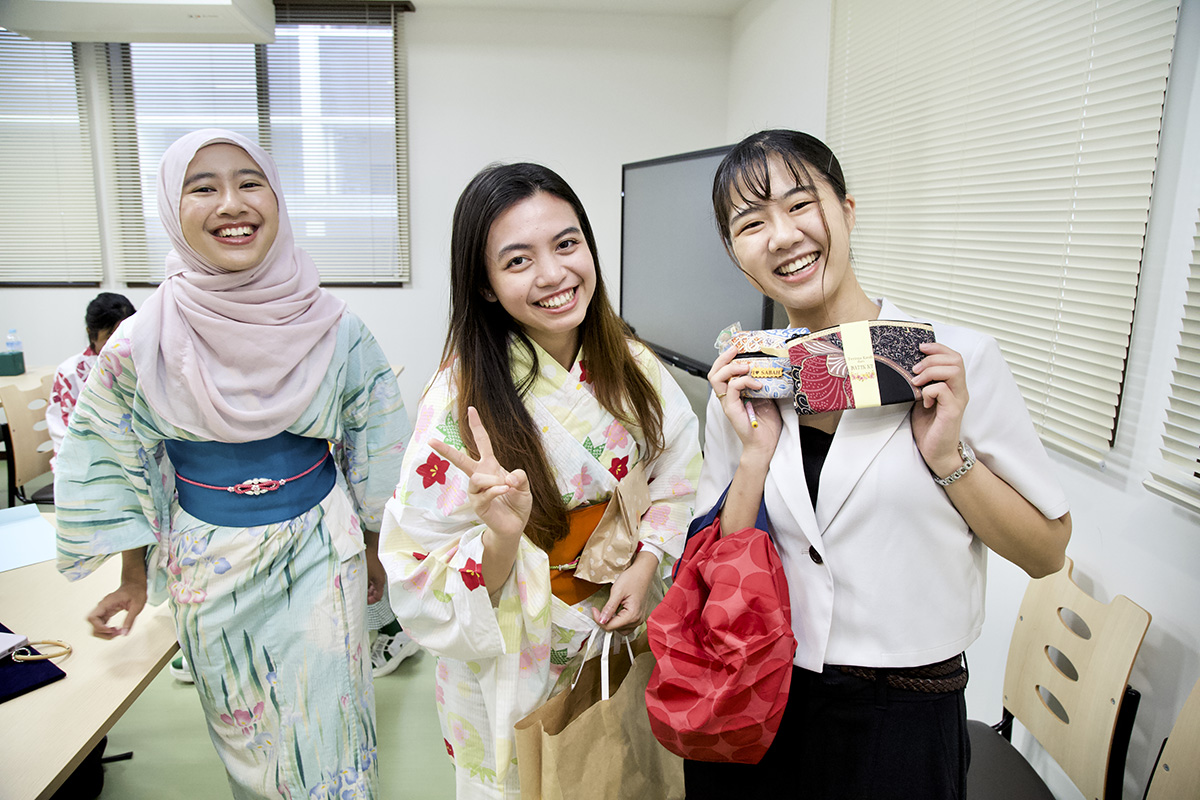
Malaysian goods as a gift for 3 months


At the end of the event, everyone moved to the Japanese-style room at the Ip Kokushi Koryu Kaikan for a pleasant chat. Students spend their time as they wish, taking pictures with the beautiful garden in the background and bidding farewell to each other. The students said to each other, “That was fun,” “Let’s meet again,” and promised to see each other again by presenting each other with gifts.
 

AFIMA Leaders Program2024 Support Teachers

・Kazuaki Kawamoto Professor, Dean
・Hideki Nakayama Professor, Vice-dean
・Yoshiki Matsushita Professor, Vice-dean
・Masaki Nagae Professor
・Hee-Jin Kim  Associate Professor
・Mitsuhide Satou  Assistant Professor

2024.04.05

Nagasaki University 2024 AFIMA Leaders Program 2024 Opening Ceremony


The 2024 AFIMA Leaders Program Opening Ceremony was held on Friday, April 5, 2024. A total of 10 international students will participate in the program, five from Pukyong National University (PKNU) and five from Universiti Malaysia Terengganu (UMT). Four students from Nagasaki University also joined to support the international students. They will study together for about three months, from April to June.


At the opening ceremony, Professor.Kazuaki Kawamoto, Dean of the Graduate School, gave a speech, wishing the students to challenge themselves in various things and enjoy their life in Nagasaki. Then, the international students participating in this program introduced themselves.


Professor.Hideki Nakayama, Vice-dean of the Graduate School, explained the program and the precautions to be taken in life in Nagasaki.


【Participants】

Pukyong National University(PKNU)


● Seunga JEONG (Pukyong National University)


● Chaehyeon KIM (Pukyong National University)


● Dasom CHOI (Pukyong National University)


● Sumin HWANG (Pukyong National University)


● Hyeonbeom LIM (Pukyong National University)


Universiti Malaysia Terengganu(UMT)


● Siti Hajjar MUSTAPA  (Universiti Malaysia Terengganu)


● Sharifah Nur Batrisya SYED AZMUDDIN  (Universiti Malaysia Terengganu)


● Estefania Lourdres SIMA  (Universiti Malaysia Terengganu)


● Siti Zuqrina ABDUL HAKAM  (Universiti Malaysia Terengganu)


● Hazril Shauqi AHMAD SABRI  (Universiti Malaysia Terengganu)


【Supporting students】

Four students from Nagasaki University participated. Yuri Yamamoto, Yukino Baba, Sohei Shibasaki, Yuko Kameyama, and Akiko Iwayama, who have experience studying abroad for a short term, will also join as supporters and study together.


Yuri Yamamoto


Yukino Baba


Sohei Shibasaki


Yuko Kameyama


Akiko Iwayama


We will support them.


● Professor.Kazuaki Kawamoto, Dean


● Professor.Hideki Nakayama, Vice-dean


● Professor.Yoshiki Matsushita, Vice-dean


● Professor.Masaki Nagae


● associate professor.Hee-Jin KIM


● assistant professor.Mitduhide Sato


After the opening ceremony, student supporters guided the students around the campus, explaining the main active locations such as lecture halls, laboratories, and the library.


Over the next three months, new exchanges and learning will begin.

2024.03.18

International Cooperative Human Resource Development Program for Realizing Sustainable Asian Fisheries and Marine Environment / AFIMA Leaders Program Student Achievement Presentation 2023


In the summer of 2023, five students from Nagasaki University studied abroad in the AFIMA Leaders Program for a short period of time.

The students presented the results of their studies at Universiti Malaysia Trengganu and Pukyong National University.

Here are the contents of each presentation.


Ryo Okamoto

Faculty of Environmental Science, 4th year
Studied at Universiti Malaysia Terengganu for about 2.5 months


Through a variety of fieldwork
Experiencing the local natural environment

At Universiti Malaysia Trengganu, I attended lectures on fish microbiology, economics, and fish specimens. During the fieldwork conducted in Kelantan, specimens were made from fish obtained at fishing ports and fish markets, and an illustrated book was produced. The snorkeling and bottom trawling we experienced on Bidong Island were also impressive. There, I spent precious time with lizards, squirrels, and small fish and coral reefs that I could not see in Nagasaki. I was anxious during my study abroad period, but the local teachers and students were kind and helped me in any way they could, so I was able to get through it. I hope to apply these experiences to the rest of my life.


Specimen preparation.


Beautiful Bidong Island visited by the class.


Shunya Kiyabu

Faculty of Fisheries, 4th year
Studied at Universiti Malaysia Terengganu for about 2.5 months


Influenced by the Malaysian national character
I have become more proactive myself.

I originally studied zooplankton. I decided to study abroad this time because I wanted to further develop his previous research. At Terengganu University, I had some trouble with classes in non-specialized fields and many opportunities to use the Malay language, but I was supported by the kindness of the people around me. I was happy to see certain results in a study that examined changes in the population of fish fed feather meal (a feed made from the feathers of parent chickens) and yeast. I was also greatly influenced by the diplomatic nature of the Malaysian people and their positive attitude toward learning. It has certainly helped me grow.


Research projects examining changes in fish populations.


Malaysia is full of friendly and cheerful people.


Kento Nakase

Faculty of Fisheries, 2th year
Studied at Pukyong National University for about 4 months


With people from other cultures
I realized the necessity and difficulty of communicating thoughts and feelings

I studied at Pukyong National University to gain an international perspective on fisheries resource management, improve my language skills, and experience Korean culture. In the Global Fisheries Economics lecture, I proposed a marketing plan for sustainable marine resource products and felt the difficulty of communicating my opinion correctly. There is also a boarding exercise to Cheju Island to observe the fishing and aquaculture farms. I also had the opportunity to eat island food, which was a good experience from a cultural aspect. I had many opportunities to use English there, and I realized again that speaking English broadens your worldview.


We also did an internship at M S C.


Boarding practice.


Mine Sugito

Faculty of Fisheries, 1th year
Studied at Pukyong National University for about 4 months


Learning about fisheries from a different angle
Changed my way of thinking

I studied Fisheries Management and Economics at Pukyong University. Some lectures required two or three presentations, so active participation in class was necessary. The library was well stocked and easy to spend time in, so when a report assignment of more than 4,500 words was assigned, I stayed there and prepared it. I believe that my English skills have improved, not only because of the reports, but also because about 70% of the local language used was English. This year’s study focused on approaching fisheries from an economic perspective, such as the situation of fisheries in Korea and how to sell processed marine products. I originally majored in biology, but it was a great experience for me to see fisheries from a completely different angle.


Jagalchi Market, Korea’s largest market specializing in fish.


Sailboat party prepared by the teacher as an opportunity for socializing.


Yuri Yamamoto

Graduate School of Fisheries Science and Environmental Studies, Master’s Program, 1st Year
Studied at Pukyong National University for about 4 months


Facing global fisheries science
Improved research attitude and motivation

In the lecture on global fisheries studies, I was able to deepen my learning by listening to the opinions of students from diverse countries. Extracurricular activities include participation in BISFE 2023, an international exhibition focused on seafood and fisheries. Experiencing the actual international trade site of marine products in Busan has inspired my motivation for the global fishery industry in the future. When I presented my research at a conference, I had a valuable opportunity to receive questions and suggestions from foreign professors, and it was also a good chance to review my own research.


Various companies from aquaculture to seafood processing equipment manufacturers participate in BISFE2023.


Conference Presentations.

2023.10.21

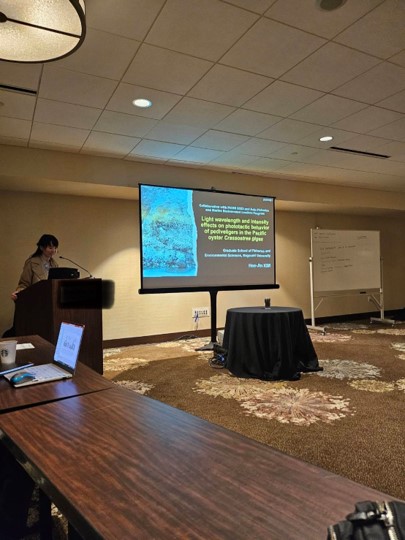
I held a joint session at a meeting in PICES annual

On October 21, 2023, I would have United States of America Seattle, and joint session “Collaboration with PICES 2023 and Asia Fisheries and Marine Environment Leaders Program” with this Program was held at a conference in North Pacific Marine Science Organization (PICES) annual held.
Three teachers, researcher one, graduate student three announced it from Korean Pukyong National University which participated in this program, and one teacher performed invitation act from the Malaysia Terengganu University.

Associate professor Hee-Jin Kim was the field and performed a presentation titled “Light wavelength and intensity effects on phototactic behavior of pediveligers in the Pacific oyster Crassostrea gigas” from this school.


2023.08.17

International Postgraduate Symposium was held at Universiti Malaysia Terengganu

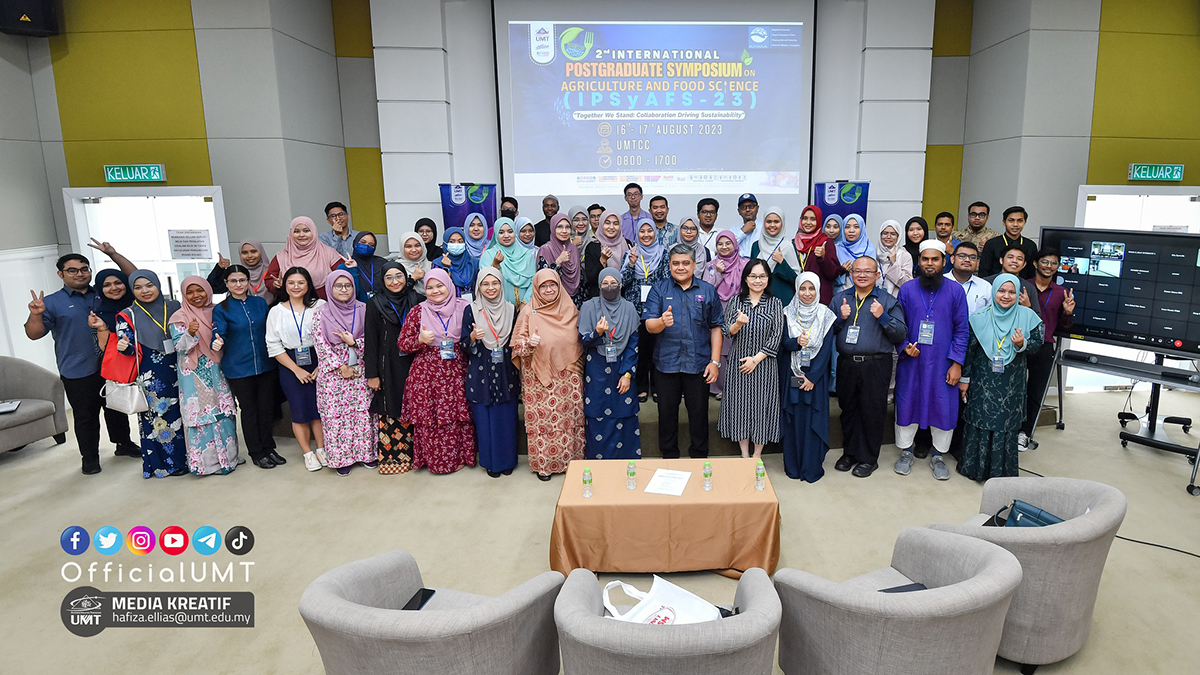
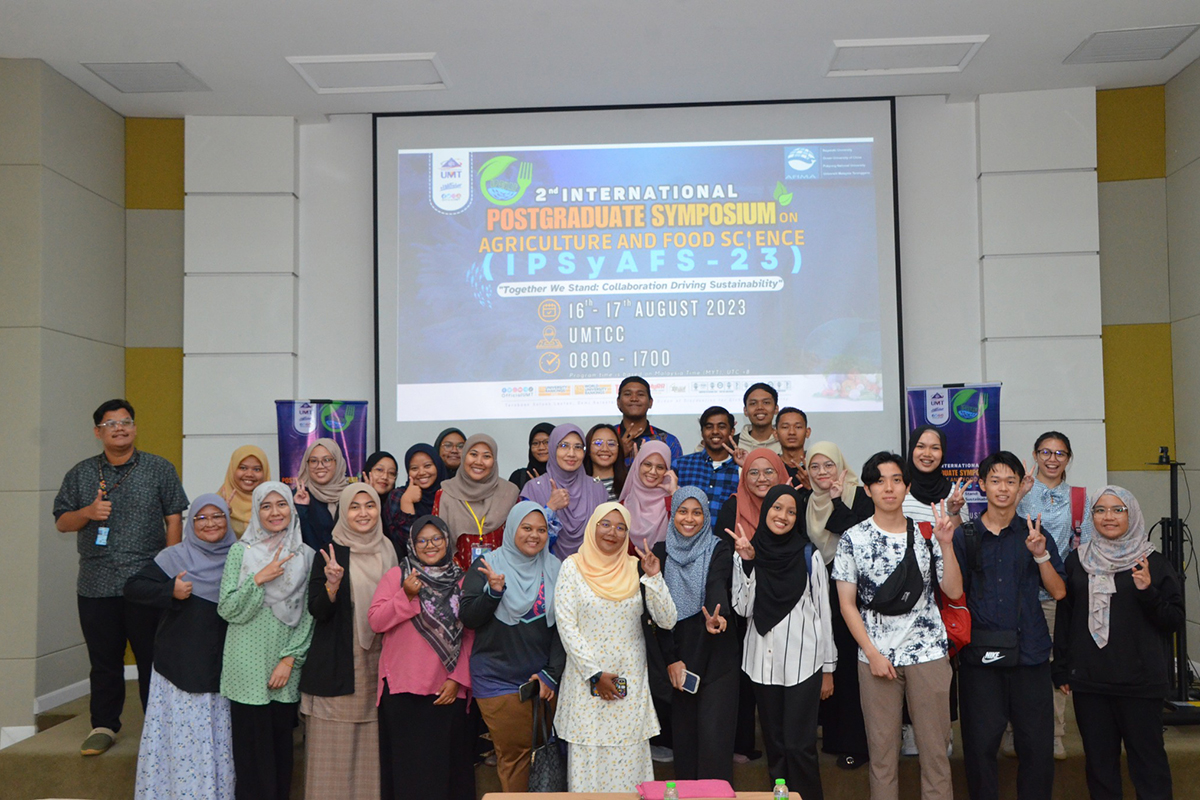
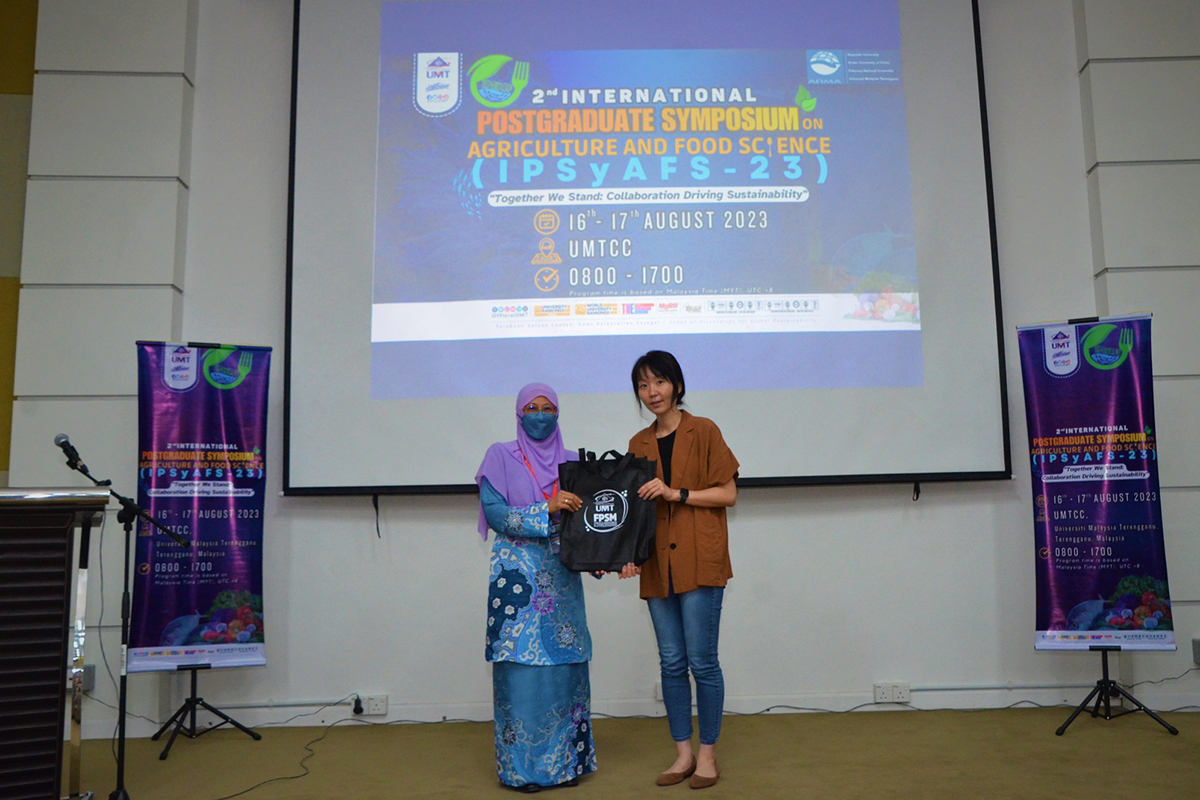
For two days on August 16 and 17, 2023, the “2nd International Postgraduate Symposium on Agricultural and Food Science” was held at the Universiti Malaysia Terengganu, a participating university of this program.

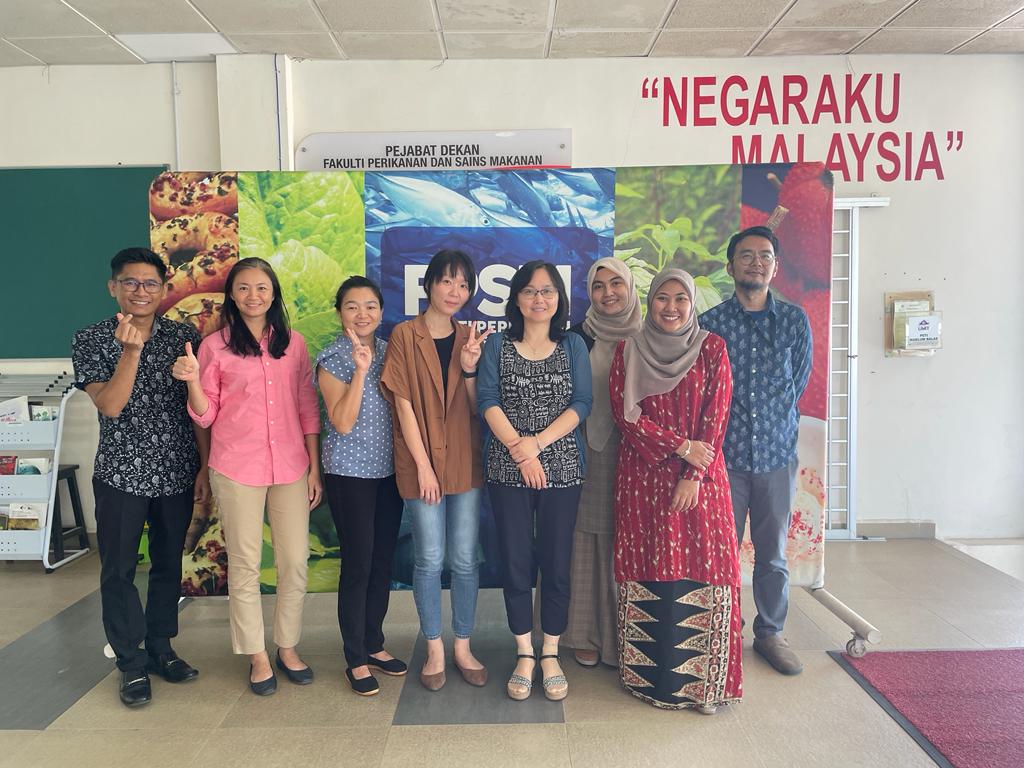
Faculty members and students from the four universities participating in this program participated, and Associate Professor Hee-Jin Kim gave an invited lecture on site, and two graduate students gave poster presentations online.


ARCHIVES